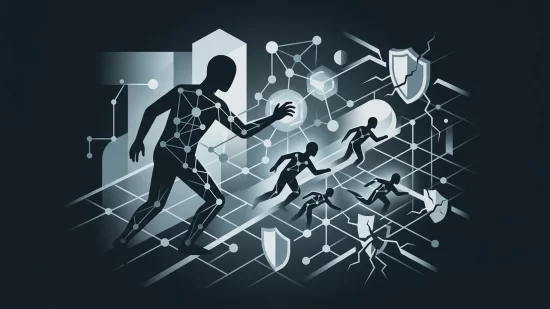
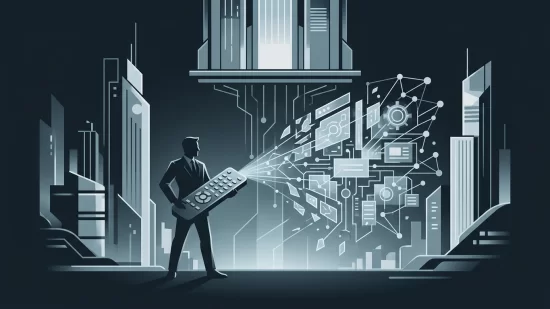
You thought two-factor authentication (2FA) was the silver bullet that’d keep your accounts locked down. Bad news: hackers just broke in through the back door—and they brought artificial intelligence with them. Google announced the first known zero-day exploit of 2FA mechanisms, and, for a refreshing change, the hackers didn’t rely on some intern’s spreadsheet password or some bored employee clicking a phishing link. No, this exploit was coded courtesy of AI, making it a new breed of cyberattack you can’t dismiss as the usual “user error” story.
AI: No Longer Just a Buzzword in Cybercrime
Let’s be blunt: cybercriminals aren’t the hoodie-wearing lone wolves you picture in basements. They’re well-funded, innovative, and, increasingly, they know their way around machine learning toolkits better than many IT shops. What’s new here is efficiency. Manual probing for system flaws used to be a slog. Now? Feed enough data into an AI model, and it’ll pinpoint vulnerable nooks of your security faster than your admin can say "patch Tuesday." Mass exploitation isn’t theoretical anymore. It’s automated, fast, and completely impersonal.
If you’re still picturing hackers writing code line by line, wake up. The threat actor responsible for this exploit used AI to dissect and reverse-engineer 2FA protocols. The result was a zero-day—a flaw nobody knew existed, so nobody had bothered to fix. It let crooks waltz past your second layer of security as if it weren’t even there. Two steps to log in? More like one and a shrug.
Zero-Days: There’s No Early Warning
Zero-day exploits have always been the bogeyman of cybersecurity. You don’t know what you don’t know. When the alarm finally rings, it’s already too late for millions. No patches, no protection, just open doors and stunned security teams playing catch-up. In this case, we’re talking about a vulnerability in the very systems most companies trust to stop unauthorized access: 2FA. For years, security experts have nagged everyone to adopt 2FA. Now, it’s the new weak link. You can just feel the IT helpdesk's collective groan.
Here’s what stings: 2FA was designed to beat exactly these kinds of attacks. But the AI behind this exploit found flaws in the implementation—subtle, obscure cracks no human was supposed to spot quickly, and certainly not at scale. Yet the software saw patterns and loopholes, fast and efficiently. And exploited them. It didn’t get tired, and it didn’t make mistakes. It just kept going.
When AI Works for the "Bad Guys"
Most people hear "AI" in security and think: more safety, fewer headaches. Sure, AI can help spot anomalies and block attacks, but it cuts both ways. Any tool sophisticated enough to defend a network is just as useful for attacking one. Cybercriminals are automating every part of the process: scanning for holes, coding exploits, fine-tuning phishing attempts, and now this—publishing a foolproof 2FA bypass faster than most businesses can update their onboarding manuals.
The implication’s clear—and no, it’s not "just follow best practices." The threat model just changed. AI’s not an optional upgrade for your security team. Suddenly, defensive software that doesn’t learn and adapt is as useless as antivirus software from the early 2000s. It’s time to face the ugly truth: attackers move at machine speed, and so must your defenses.
No, You Can’t Just Blame the Users Anymore
The gut reaction from security leaders may be to double down on user education: don’t re-use passwords, watch out for phishing emails, install your updates, and cross your fingers. Sure, it’s important. But let’s not kid ourselves—this exploit sailed right past every checklist. It’s not that users “should have known better.” The new threat slipped through gaps nobody even knew existed. Being careful isn’t enough when the attackers have an algorithm that does the thinking for them.
- 2FA’s promise has been compromised
- Vulnerabilities can be found quicker than ever
- “Human error” is just one of many problems
Mitigation: The Same Old Advice, Pumped Full of Panic
So what are the experts suggesting? You know the drill: conduct thorough security audits, patch your systems, stay on top of updates, monitor for suspicious logins. Plus, surprise surprise, use AI defensively if you can afford it. There’s even more pressure to combine every possible authentication and monitoring trick in the book, from hardware tokens to biometric checks to behavioral analytics. But let’s be realistic: smaller organizations don’t have Google’s budget—or patience—for bleeding-edge machine learning deployments.
The best you can do as a user: stay hypervigilant. Turn on every alert you can. Change your passwords. Don’t ignore those weird sign-in notifications. Paranoia used to be optional; now it’s just table stakes. The moment a service offers support for more advanced authentication—take it. Just don’t expect it to be bulletproof forever.
The Cybersecurity Arms Race Is On—and You’re in the Middle
AI will keep making security better and worse. It’s a double-edged sword that’s not going away. Security teams and criminals are both arming up with machine learning, and there are no neutral parties. If you’re a business, the checklist grows: partner with AI security vendors (yes, that means another all-hands meeting and a new budget line), hire experts who can manage and tune learning algorithms, and keep your recovery plans up to date—because breaches will happen.
For the rest of us, the price of living online just went up. There’s no magical upgrade that’ll stop cybercriminals from using AI to poke holes in your digital life. The only real guarantee is that things will get weirder, faster, and—if you’re not keeping up—a lot more expensive. So, hang onto your authentication tokens, and don’t get comfortable behind your "secure" login screen. The machines are already here, and they’re not on your side.