Imagine you’re making dinner, your phone rings, and the person on the other end claims to be from your electric company. They sound official, maybe even a little stern. They tell you your bill is overdue and unless you pay — right now — your power will be shut off within the hour. Panic sets in. Maybe you’re working from home, or you have a family member who depends on medical equipment, or it’s the middle of a heatwave. The caller insists you pay immediately, often with a method you’ve never used before, like a gift card or a wire transfer. What do you do?
This isn’t a rare scenario. Utility shutoff scams are running rampant, and they’re catching people off guard every single day. In 2023 alone, nearly 43,000 households reported being targeted, and the financial toll was nearly $875,000. These scams aren’t just a nuisance — they’re a real threat to your wallet, your peace of mind, and your trust in the companies that provide your essential services. Let’s break down how these scams work, why they’re so convincing, who’s at risk, and — most importantly — how you can protect yourself and your loved ones.
What’s Actually Happening: Anatomy of a Utility Shutoff Scam
Scammers have perfected the art of impersonating utility companies. They call or text, sometimes even email, pretending to be from your electricity, gas, or water provider. Their message is urgent: your service will be disconnected unless you pay immediately. They might even know your address, your account number, or your full name — all information that can be found or guessed with a little online digging.
Here’s how the scam usually unfolds:
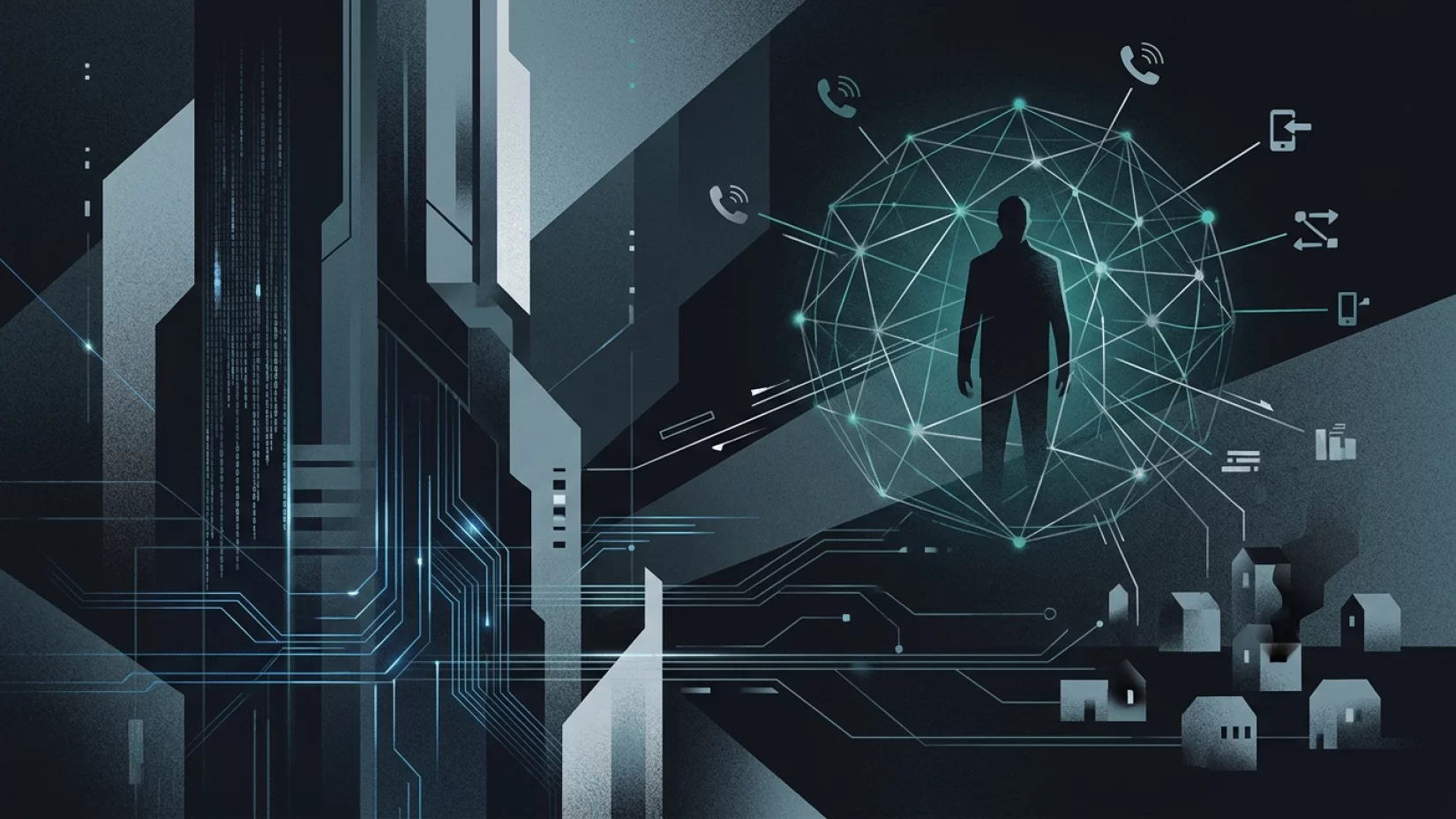
- Initial Contact: You receive a phone call (sometimes a text or email) claiming to be from your utility company. The caller ID may even display the company’s name, thanks to caller ID spoofing (faking the number that appears on your phone).
- Threat of Immediate Disconnection: The caller says your bill is overdue and your service will be cut off within minutes or hours if you don’t pay right now.
- Demand for Unusual Payment: You’re told to pay by gift card, wire transfer, or even cryptocurrency. They may walk you through buying gift cards and reading off the codes. These methods are untraceable and impossible to reverse.
- Pressure and Fear: The scammer tries to keep you on the phone, insisting that if you hang up, your power will be disconnected. They don’t want you to have time to think or verify their claims.
Everything about this process is designed to trigger panic and prevent you from stopping to question what’s happening. And it works — thousands of people have fallen for it, losing an average of $785 each.
Why Are So Many People Falling for This Scam?
No one wants to lose access to electricity, gas, or water, especially with so much of daily life depending on these services. Scammers know this and use it against you. They time their calls for maximum impact: during extreme weather, late in the day, or just before weekends and holidays when contacting the real utility company might be harder.
Caller ID spoofing makes things even trickier. Your phone might literally display the name of your utility provider, making the scam feel legitimate. And if you’re busy, distracted, or already stressed, it’s easy to believe the threat is real — especially if the caller knows your name or address.
It’s not a sign of gullibility to get caught off guard. These scams are engineered to exploit ordinary, human reactions: fear, urgency, and the desire to avoid trouble. Scammers don’t discriminate — they target everyone from students and families to seniors and remote workers.
Who Is Being Targeted? (Spoiler: Pretty Much Everyone)
Let’s be clear: no one is immune. In 2023, nearly 43,000 people reported being targeted, and over 2,500 new reports came in just in January 2024. Families, renters, homeowners, people living alone, students, and even small businesses — all are fair game.
Seniors are often targeted because scammers assume they may be less familiar with digital payment methods or less likely to question an official-sounding call. But younger adults and tech-savvy folks have also been fooled, especially when the scammer uses detailed personal information to sound convincing.
It doesn’t matter where you live or what device you use. If you have a phone, an email address, or a utility account, you’re a potential target.
Why This Scam Is So Harmful: Real-World Consequences
The financial losses are significant. In 2023, victims paid out nearly $875,000 to scammers. But the impact goes beyond money. Here’s what victims often face:
- Stress and Anxiety: The fear of losing electricity or heat — especially for families with children, elderly relatives, or medical needs — can be overwhelming.
- Embarrassment: Many people feel ashamed after realizing they’ve been scammed, which can make them less likely to report the crime or warn others.
- Loss of Trust: Some victims find it hard to trust legitimate calls or messages from their real utility company afterward, making future communication more difficult.
- Identity Theft: In some cases, scammers also collect personal information, which can be used for further fraud.
It’s a heavy burden, and it’s entirely preventable with the right information.
Common Misconceptions That Put People at Risk
- "My utility company would call and demand immediate payment." Legitimate utility companies do not operate this way. They send multiple written notices before any shutoff and offer several safe payment options.
- "If the caller ID says it’s my utility company, it must be real." Caller ID can be faked. Don’t trust it as proof.
- "Paying with a gift card or cryptocurrency is normal for bills." No reputable utility company will ever ask you to pay with gift cards, wire transfers, or cryptocurrency. These payment methods are a giant red flag.
- "I’m too smart or careful to fall for a scam." Scammers are professionals at manipulating emotions and creating urgency. Anyone can be caught off guard, especially during a stressful moment.
How to Tell If a Utility Shutoff Notice or Call Is Real — or a Scam
Don’t let urgency cloud your judgment. Here’s how to spot a fake utility shutoff scam:
- Threats of Immediate Disconnection: Real utility companies provide multiple warnings, in writing, before any shutoff. Sudden threats are a red flag.
- Unusual Payment Requests: Requests for payment by gift card, wire transfer, or cryptocurrency are always a scam. Real companies accept checks, credit cards, and online payments through secure portals.
- Pressure Not to Hang Up: Scammers want to keep you on the phone so you can’t think or verify. Real companies will let you call back or check your account online.
- Caller ID Tricks: Don’t trust caller ID. Always verify using the official number on your utility bill or company website.
If you’re ever in doubt, hang up. Take a breath. Find your most recent utility bill and call the customer service number listed there. Never use a number the caller gives you.
Five Steps That Actually Reduce Your Risk
- Hang Up Immediately. If someone calls threatening to shut off your utilities unless you pay right now, hang up. Don’t engage, don’t explain, just end the call.
- Contact Your Utility Company Directly. Use the contact information from your bill or the official website — not any number the caller provides. Ask if there’s really an issue with your account.
- Never Pay with Gift Cards, Wire Transfers, or Cryptocurrency. These payment methods are untraceable and only used by scammers. Your real utility company will never ask for them.
- Warn Family and Friends. Talk to those in your household, especially seniors or anyone who might be more vulnerable, about these scams. Share this information so they know what to watch for.
- Report the Scam. Even if you didn’t lose money, report the attempt to the Federal Trade Commission (FTC) at ReportFraud.ftc.gov. The more people who report, the harder it is for scammers to operate.
These steps might feel simple, but they’re the most effective way to protect yourself and others.
Why Millions of Users Never Realize Their Data Was Exposed
Not every scam ends with a demand for money. Sometimes, scammers use these calls to collect personal information: your full name, address, account numbers, or even Social Security numbers. With enough details, they can commit identity theft or target you with more sophisticated scams in the future.
Many people don’t realize their information has been exposed until much later, when they notice strange charges, new accounts opened in their name, or even attempts to access their bank accounts. If you’ve ever given out personal information over the phone to someone claiming to be from a utility company, monitor your accounts closely and consider placing a fraud alert with the credit bureaus.
What Utility Companies Should Be Doing — And Where They Fall Short
It’s frustrating that, despite the size and resources of major utility companies, these scams are still so widespread. Too often, companies don’t do enough to warn their customers or make their payment processes clear and accessible. Some send confusing bills or use outdated communication methods, making it harder for customers to know what’s real and what’s not.
Utility companies need to step up: clearer warnings, better customer education, and more transparent billing would go a long way. Until that happens, it’s up to all of us to stay vigilant and look out for each other.
The Broader Picture: Why These Scams Keep Spreading
Scammers love this tactic because it works. The mix of urgency, fear, and essential services is a powerful motivator. As long as people keep paying, these scams will continue. And with new technology, scammers can reach more people in more convincing ways — using robocalls, fake websites, and even AI-generated voices.
But there’s good news: awareness is the best defense. The more people know about these scams, the less likely they are to fall victim. Talk about it with your neighbors, your family, your friends. Share articles like this one. The more we shine a light on these tactics, the less power scammers have.
Final Thoughts: Stay Calm, Stay Skeptical, Stay Safe
Utility shutoff scams are a real and growing threat. But you don’t have to live in fear of every phone call. Remember: real utility companies don’t threaten immediate disconnection, and they never demand payment in gift cards, wire transfers, or cryptocurrency. If something feels off, trust your instincts, hang up, and verify using the contact information you know is legitimate.
Protect yourself and your loved ones by staying informed, spreading the word, and reporting suspicious activity. You deserve to feel confident — not anxious — about your essential services. And if you ever have doubts, remember: it’s always okay to pause and check before taking action. That simple step can save you money, stress, and a lot of trouble down the road.