Have you ever received a bill from your internet company, mobile provider, or any service you use, and paid it without a second thought? Most of us have. After all, the invoice looks familiar, the company name checks out, and the amount seems right. But what if that bill is a fake, designed to steal your money? Invoice fraud is on the rise, and it's catching people off-guard—sometimes with devastating financial consequences. This isn't just a problem for businesses or big spenders. Ordinary people, families, students, and anyone who manages bills online are potential targets. Understanding how invoice fraud works, why it's so convincing, and how to protect yourself is more important than ever.
Why Invoice Fraud Works So Well—And Why It’s Getting Worse
Invoice fraud isn’t a new scam, but it’s become more sophisticated and widespread thanks to digital communication. Criminals aren’t just sending out random fake bills anymore. They’re targeting you with invoices that look like they’re from companies you actually use—sometimes even referencing real services or past payments. The trick? The payment details have been subtly changed, redirecting your money straight to a criminal’s account.
According to the FBI’s Internet Crime Complaint Center, over 21,000 complaints about business email compromise (which includes invoice fraud) were made in 2024, with losses topping $2.77 billion. And it’s not just businesses. UK Finance reported over £50 million lost in invoice and mandate scams in 2023, with thousands of cases involving regular consumers.
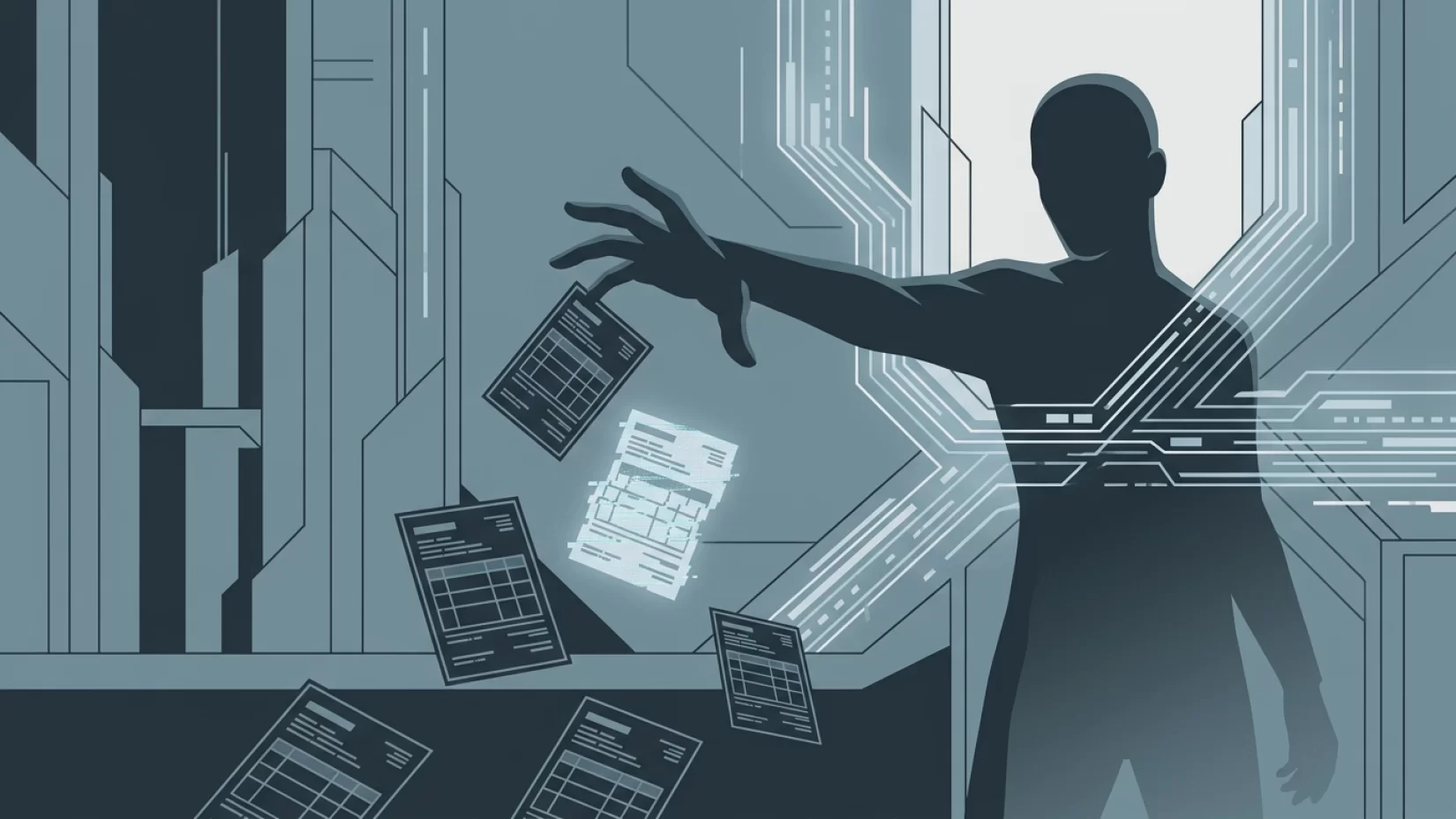
What makes invoice fraud so dangerous is its believability. Scammers use real company logos, addresses, and even mimic the tone and formatting of legitimate invoices. Sometimes, they intercept genuine communications between you and a company, changing only the bank details. Other times, they create convincing fakes from scratch. Either way, the result is the same: you pay a bill you owe, but the money never reaches the real company.
Who’s Actually at Risk? (Hint: It’s Not Just Businesses)
There’s a persistent myth that only businesses get targeted by invoice fraud. That’s simply not true. While companies—especially small businesses—are frequent victims, ordinary people are increasingly in the crosshairs.
- Home internet and utility customers: Fake invoices for broadband, electricity, or water service are common.
- Students and families: Scammers send fake tuition or daycare bills.
- Remote workers: Invoices for software subscriptions or home office equipment can be faked.
- Anyone who pays bills online: If you use email, banking apps, or online payment services, you’re a potential target.
Don’t assume you’re too small or too careful to be targeted. Criminals often send out thousands of fake invoices, hoping just a few will slip through. Even small payments add up—and sometimes, scammers use low amounts to avoid suspicion.
How Invoice Fraud Happens: Real-World Tricks and Tactics
Understanding the methods scammers use can help you spot the warning signs before it’s too late. Here are the most common tactics in play today:
- Email interception: Criminals hack into or monitor email accounts, waiting for a real invoice to be sent. They change the payment details and resend it, or reply directly in the thread.
- Fake invoices from scratch: Using publicly available information (like your social media or company website), scammers create convincing invoices that look like they’re from a company you use.
- Postal mail fraud: It’s less common but still happens—fake paper bills sent to your mailbox, especially for utilities or local services.
- Phone and messaging scams: Some fraudsters call or text, claiming to follow up on an unpaid invoice, then send you a payment link with fraudulent details.
One real example: A consumer received what looked like a routine bill from their internet provider. The logo, address, and amount all matched previous invoices. The only difference? The bank account number had changed. They paid $1,200—money that vanished into a criminal’s account, with little chance of recovery.
Why Millions Of Users Never Realize Their Data Was Exposed
Invoice fraud isn’t always obvious. In many cases, victims only realize something’s wrong when a service is cut off for non-payment, or when a legitimate company follows up about a missing bill. By then, the money is gone, and tracing it is incredibly difficult.
Unlike some scams that rely on urgency or threats, invoice fraud plays on trust and routine. Most of us are used to paying bills quickly, especially if the invoice looks familiar. Criminals count on this, making small tweaks to details that are easy to overlook.
Worse, some people never realize they’ve been scammed. They might assume a payment went through, or chalk up a service disruption to a company error. This is why the losses are so high and why invoice fraud keeps growing—it’s invisible until it’s too late.
Misconceptions That Leave People Vulnerable
Invoice fraud thrives on a few persistent myths:
- “It only happens to companies.” In reality, individuals and families are frequent targets, especially as scammers get better at personalizing their attacks.
- “Only email is risky.” While email is common, fraudsters use postal mail, phone calls, and even text messages to send fake invoices.
- “Small payments are safe without checking.” Scammers often start with small amounts, hoping you won’t bother to verify them. Don’t fall for it—every payment deserves a second look.
Believing these myths can make you less cautious, and that’s exactly what scammers want.
Spotting a Fraudulent Invoice Before You Pay
So, how do you tell a real invoice from a fake one? It’s not always obvious, but there are warning signs and practical checks you can use:
- Check payment details—every time. If an invoice asks you to pay to a new bank account, be suspicious. Always confirm new payment details with the company directly. Don’t use phone numbers or email addresses listed on the invoice; use contact info from the company’s official website or previous communications.
- Look for subtle differences. Scammers often get small details wrong: a slightly different email address, a logo that’s off, or a change in tone. Compare the invoice to previous ones you’ve received.
- Unexpected invoices. If you weren’t expecting a bill, or the amount seems off, don’t pay until you’ve verified it.
- Pressure to pay quickly. While many companies want prompt payment, be wary of invoices that demand immediate action or threaten consequences.
- Attachments and links. Avoid clicking on links or downloading attachments from invoices unless you’re 100% sure they’re legitimate. Some contain malware (software designed to steal your information or compromise your device).
It may feel tedious to double-check every invoice, but a few extra minutes can save you from major headaches and financial loss.
Five Steps That Actually Reduce Your Risk
Protecting yourself from invoice fraud doesn’t require fancy software or technical know-how. Here’s what really works:
- Always verify payment details with the company. If you receive an invoice with new bank details, call the company using a number you find independently (like from their official website or a previous bill). Don’t rely on the contact information in the suspicious invoice.
- Implement a “two-step” rule. Before paying any invoice, especially those with changed payment details, get a second opinion. If you live with someone or work in a team, have another person review the invoice. Two sets of eyes are better than one.
- Regularly monitor your bank statements. Look for unusual payments or transfers, even small ones. If you spot something odd, contact your bank immediately.
- Educate yourself and others. Talk to family members, roommates, or colleagues about invoice fraud. Share articles like this one, and encourage everyone to be cautious.
- Report suspicious invoices. If you receive a fake invoice, report it to your bank, the company being impersonated, and your country’s fraud reporting service (like the FBI’s IC3 in the US or Action Fraud in the UK). This helps authorities track trends and warn others.
There’s no single tool or app that can guarantee you’ll never be targeted. But following these steps makes you a much harder target for scammers.
What To Do If You’ve Already Paid A Fraudulent Invoice
If you realize you’ve paid a fake invoice, act fast. Contact your bank immediately and explain the situation—they may be able to stop or reverse the payment if you catch it quickly. Then, contact the real company to inform them of the fraud, and report the incident to your local fraud authority.
Be prepared for some legwork. You may need to file a police report, provide copies of the fake invoice, and follow up with your bank. The process can be stressful and time-consuming, but quick action gives you the best chance of recovering your money.
Even if you can’t recover the funds, reporting helps others avoid the same trap. And remember: falling for invoice fraud doesn’t mean you were careless—these scams are designed to fool even the most cautious.
Human Consequences: Stress, Confusion, and Lost Trust
Invoice fraud isn’t just about losing money. Victims often deal with stress, embarrassment, and hours spent untangling the mess. You might find yourself second-guessing every bill or losing trust in companies you rely on. That’s a normal reaction. The important thing is to learn from the experience and share what you know—helping others avoid the same fate.
Why Companies Need To Step Up—And Why You Still Need To Be Vigilant
It’s frustrating that so much responsibility falls on individual consumers. While some companies are improving their security and warning customers about invoice scams, too many still rely on customers to spot fraud themselves. Companies should do more—like using secure portals for payments, alerting customers to changes in payment details, and educating users about scams.
Until that’s the norm, vigilance is your best defense. Don’t let routine, trust, or a busy schedule override your caution. Take a few extra minutes to verify before you pay. It’s not paranoia—it’s practical self-protection in a world where digital fraud is a daily reality.
Final Thoughts: Confidence, Not Fear
Invoice fraud is a high-risk threat, but it’s not unbeatable. With a little awareness and a few simple habits, you can protect yourself and your loved ones. Double-check payment details, trust your instincts, and don’t be afraid to ask questions. Companies may not always make it easy, but you deserve to keep your money safe. Stay alert, stay informed, and help others do the same.