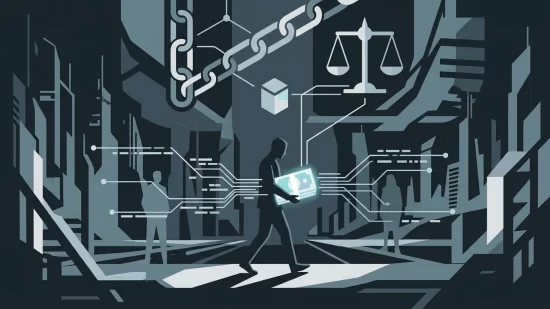
Most of us sign up for online services, buy from e-commerce stores, or use health and banking apps without thinking twice about what happens behind the scenes. We trust these companies with our names, addresses, payment details, and sometimes much more sensitive information. But what if the company you trusted suddenly goes bankrupt—or gets sold to someone you’ve never heard of? What really happens to your personal data then? If you assume your data disappears or stays protected, it’s time for a reality check. The way your information is handled in these situations can have lasting consequences, and most people have no idea just how exposed they are until it’s too late.
It’s not just a theoretical risk. In 2025, the genetic testing company 23andMe filed for bankruptcy, raising alarms about the fate of its customers’ most sensitive data. Ten years earlier, RadioShack tried to sell its entire customer database as part of its bankruptcy proceedings, sparking a legal battle over privacy rights. These stories aren’t rare exceptions—they’re warnings. As more companies face financial trouble or get swallowed up by bigger players, your personal data often becomes just another asset to be sold, traded, or handed over. If you care about your privacy, it’s crucial to understand how this process works, what your rights are, and what you can do to protect yourself.
When Companies Go Under: Your Data on the Auction Block
It’s easy to forget that your personal information isn’t just a string of numbers hidden in a database. To companies, your data—email address, purchase history, even your genetic details—is an asset. When a business goes bankrupt, everything it owns is up for grabs. That includes the data you gave them, often with the expectation that it would be kept private.
Bankruptcy courts treat data like any other valuable property. It can be sold to pay off creditors, bundled with other assets, or transferred to whoever buys the company. The new owner might be another business, a private equity firm, or even a company in a completely different industry. And unless strong legal protections are in place, there’s little to stop your information from being used in ways you never agreed to.
Let’s look at a real-world example. In 2015, when RadioShack filed for bankruptcy, it tried to sell off the data of 117 million customers—including names, addresses, phone numbers, and email addresses. Only after public outcry and intervention from state attorneys general and the Federal Trade Commission (FTC) was the sale limited, and some data was destroyed. But not all cases end with regulators stepping in. In many situations, your information moves on to the highest bidder, often without your knowledge or consent.
Acquisitions: When New Owners Mean New Rules
Bankruptcy isn’t the only time your data can change hands. When a company is sold or merges with another, your personal information often goes along for the ride. The new owner may have different privacy policies, business goals, or even a completely different attitude toward data protection.
This isn’t always obvious. You might receive a bland email announcing a “change in ownership” or a “new privacy policy,” buried in legalese. But behind the scenes, your data could be combined with other databases, analyzed in new ways, or even sold off again. The original promises a company made about how it would use your data may not apply anymore. Sometimes, the only thing standing between your privacy and a new owner’s ambitions is a vague privacy policy—and those are often written to favor the company, not you.
The 23andMe case in 2025 is a powerful example. Customers who sent in their DNA for genetic testing trusted the company with some of their most intimate information. When bankruptcy hit, many worried about what would happen if that genetic data ended up in the hands of an unknown buyer. Unlike a list of email addresses, genetic data can’t be changed or reissued. Once it’s out there, it’s out there for good.
Why Millions of Users Never Realize Their Data Was Exposed
One of the most unsettling aspects of these transitions is how quietly they happen. Companies aren’t required to notify every customer when their data is sold or transferred—especially in bankruptcy. Even if they do, the notice is often buried in a long email or a website update few people read. You may not find out until months or years later, if at all.
Let’s say you signed up for a subscription box service a few years ago and forgot about it. The company goes out of business. You might assume your information is gone with it. In reality, that data could be sold to another company, which might use it to target you with ads, sell your details to marketers, or worse. You’ll probably never know, unless you suddenly start receiving spam or see strange charges on your accounts.
For most people, the first sign that something went wrong is an increase in unwanted marketing, phishing attempts, or even identity theft. By then, the damage is already done.
Common Misconceptions That Leave You Vulnerable
- "My data is deleted when a company shuts down." Not true. In most cases, your data is considered an asset and is sold or transferred, not destroyed.
- "Privacy policies protect me no matter what." Many privacy policies include clauses allowing data transfer during bankruptcy or sale. Even if they don’t, enforcement can be weak, especially if the company no longer exists.
- "Regulators will stop anything bad from happening." Sometimes, as with RadioShack, regulators intervene. But there’s no guarantee, and not every case gets the same attention.
- "If I haven’t heard anything, I’m safe." Companies aren’t always required to notify you, and new owners may not bother. Silence doesn’t mean security.
What Could Actually Happen With Your Data?
It’s not about scaring you, but about being honest regarding the real-world consequences:
- Unwanted Marketing and Spam: Your email or phone number could end up on lists sold to marketers, leading to a flood of spam or robocalls.
- Phishing and Scams: If your information is resold or leaked, scammers might use it to craft convincing fake messages or calls, trying to trick you into revealing more sensitive details.
- Identity Theft: In rare but serious cases, enough data could be used to open accounts or apply for credit in your name.
- Loss of Privacy: With sensitive data, like genetic information, the risks are even greater. Once exposed, you can’t take it back.
- Loss of Trust: Many people feel betrayed when they learn their data has been sold or misused, leading to stress, anxiety, and reluctance to use new services.
Even if you’re careful with your information, you’re still at risk if a company you trusted makes poor decisions or faces financial trouble.
Why Legal Protections Aren’t Enough
Some countries have laws designed to protect consumer data—Europe’s GDPR and California’s CCPA are two well-known examples. These laws can limit how data is transferred or sold, and sometimes give you rights to access, delete, or opt out. But the reality is, these protections don’t always apply, especially in bankruptcy situations. Enforcement can be patchy, and cross-border sales of data complicate things further.
Even when laws exist, companies may find loopholes or simply fail to notify users. Regulators can’t catch every case, and by the time they do, your data may have changed hands several times. In short, you can’t rely solely on government or corporate promises to keep your information safe when a company goes under or is sold.
Five Steps That Actually Reduce Your Risk
While you can’t control what happens to a company, you can take practical steps to limit your exposure:
- Be Selective With What You Share: Only provide information that’s truly necessary. If a service asks for details that seem excessive (like your birth date for a shopping account), skip it or use alternatives.
- Regularly Review Your Accounts: Periodically check which companies have your data. Close accounts you no longer use, and request data deletion if possible. Many services now offer ways to delete your account or data—use them.
- Read Privacy Policies (At Least the Key Parts): Look for sections about what happens to your data in case of bankruptcy, sale, or merger. If a company is vague or evasive, consider whether you really want to trust them.
- Monitor Your Financial and Online Accounts: Watch for strange charges, new accounts, or unexpected emails. Early detection is key if your data is misused.
- Exercise Your Rights: In some regions, you have the right to access or delete your data. Don’t hesitate to use these rights, especially if you hear a company you use is in trouble or being sold.
These steps aren’t foolproof, but they can limit the fallout if your data is caught up in a corporate shakeup.
What If You Suspect Your Data Was Sold?
If you hear that a company you used is going bankrupt or being acquired, don’t wait for a formal notice. Act quickly:
- Log in and delete your data or close your account, if possible.
- Change passwords for any accounts that used the same login details.
- Be extra cautious with emails or calls claiming to be from the company or its new owner.
- Consider placing a fraud alert or credit freeze if sensitive financial data may have been exposed.
If you’re unsure whether your data was affected, check the company’s website, news reports, or official statements from regulators. Unfortunately, transparency is often lacking—so it’s wise to assume your data could be at risk and act accordingly.
Broader Implications: Why This Problem Isn’t Going Away
As more of our lives move online, the risks tied to company bankruptcies and sales will only grow. Companies come and go, but data sticks around—sometimes changing hands multiple times. The lack of strong, enforceable protections means consumers must stay alert and proactive.
It’s frustrating that the burden falls on individuals, but until laws catch up and companies take real responsibility for the data they collect, your best defense is knowledge and vigilance. Don’t let convenience or habit lull you into a false sense of security. Your data is valuable, and you deserve to know—and control—what happens to it, even when companies don’t play by the rules.
Final Thoughts: Confidence, Not Complacency
It’s easy to feel powerless when you see headlines about companies selling off customer data or going bankrupt. But you’re not helpless. By understanding what really happens to your information, questioning company promises, and taking simple steps to protect yourself, you can reduce your risk and make more informed decisions. Don’t wait until after your data is sold to take action. Stay curious, stay skeptical, and remember: your privacy is worth protecting—even when companies forget that.