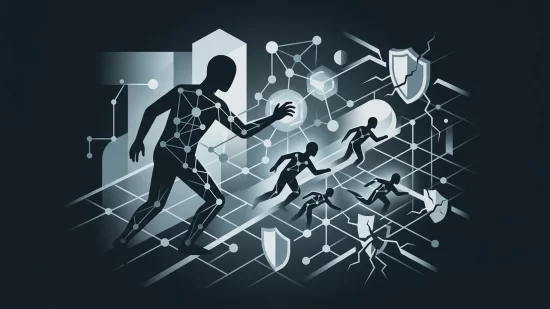
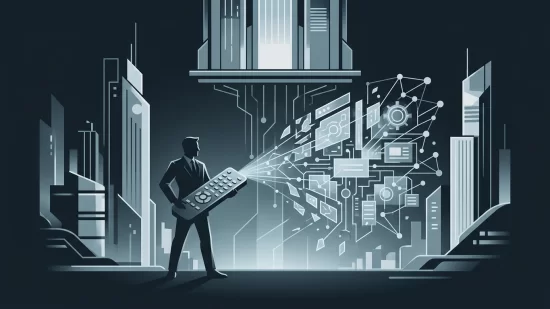
Grab your phone. Peek at your chat apps. See that Viber icon? For most, it’s just another way to stay in touch with relatives overseas or ping a friend with a silly sticker. For the Ukrainian government and armed forces, though, a simple Viber message can now be a digital pipe bomb. Yes, you read that right: Viber, not some obscure dark web tool, but a mainstream, consumer-friendly messaging service, is the vector of choice for Russian-aligned hackers going after Ukrainian critical infrastructure. If you’ve been zoning out during cybersecurity briefings, now’s the time to wake up.
Here’s How Russia-Backed Hackers Are Pulling It Off
The threat actor in question, UAC-0184—occasionally dubbed Hive0156 in threat feeds and coffee-fueled war rooms—has dug its claws deep into the mess that is modern cyber espionage. These folks aren’t the “basement hacker” cliché. They’re seasoned, relentless, and they understand their prey. Ukraine’s military and government technology stacks? UAC-0184 knows exactly where the cracks are, and guess what—Viber is now one of them.
This time around, the bad guys aren’t bothering with the tired email phishing lures pretending to be tax refunds or missed deliveries. Instead, they slide into Viber chats with a ZIP archive, packaged up like an official Microsoft Word or Excel document. Ukrainian officials or soldiers, most of them run ragged by Russia’s ongoing onslaught, see something familiar—click, and that’s all it takes. The ZIP contains a Windows shortcut (LNK file) that, when launched, sidesteps user suspicion while quietly fetching an extra payload.
Hijack Loader—The Trojan Horse’s Modern Cousin
Once the victim bites, Hijack Loader enters stage left. This malware isn’t amateur hour. Its job is to set up shop, look for obstacles, and clear the way for its even nastier friend: Remcos RAT. Its trick? It dresses up like a safe, boring process, setting up shop inside chime.exe, a name that means little to most users but helps it blend right in. Meanwhile, it’s using tricks like DLL side-loading and module stomping—terms that cybersecurity pros toss around with practiced dread—to evade whatever antivirus you might have on hand.
- Hijack Loader checks for common security tools like Kaspersky, Avast, BitDefender, AVG, Emsisoft, Webroot, and of course, Microsoft’s own efforts. It does this by calculating CRC32 hashes—a method most end users will never even hear about—just to make sure it’s poking around in hostile territory before it pulls out the big guns.
- If the coast looks clear or your antivirus is outdated, the loader will then inject Remcos RAT right into that system process, giving the attackers remote access with barely a blip on anyone’s radar.
The net result? Russian-aligned hackers get persistence, data exfiltration, and the kind of remote monitoring powers that make any CISO lose sleep.
Why Viber? Why Now?
Here’s the cynical part: our collective obsession with new collaboration and chat tools is giving nation-state hackers a buffet of new entry points. Email is old news for anyone hunting government-grade secrets; every gateway becomes a target once enough people are using it. Ukrainian troops and officials live and work in a whirlwind, relying on whatever apps are handy, Viber included. That makes it child’s play for well-resourced adversaries to weaponize convenience.
This technique isn’t about clever zero-days or technical wizardry—it’s about knowing your target’s habits and exploiting what security teams miss. Messaging platforms may enforce end-to-end encryption for user privacy, but they don’t magically scan for ZIP files with poisoned shortcuts. The attackers go where maximum legitimacy and minimum skepticism meet.
The Security Industry: Always One Step Behind
If there’s anything infosec professionals dread, it’s that familiar, sinking feeling when a previously trusted channel goes sideways. For years, defenders built massive firewalls and layered email security stacks to keep out Russian APTs and their kin. Now, the same groups are side-stepping those investments by texting malware instead. It’s like defending a castle wall while the enemy’s chatting with folks through the back gate.
This isn’t really new if you’ve been around the scene long enough to remember when adversaries started popping up on social media platforms or quietly worming their way through Slack and WhatsApp. The difference here is scale and intent: weaponizing a mundane Viber message isn’t some script kiddie prank. It’s a key part of coordinated, state-sponsored disruption meant to sabotage a government’s operations during wartime chaos.
Time to Rethink "Security Hygiene"
So, what next? Security professionals tell you to patch systems, deploy endpoint protection, and drill users about clicking suspicious links. None of that helps much when the threat drops in via messaging apps and masquerades as just another document from a colleague or supervisor.
- Banning messaging apps? Good luck. In the real world, workers will find a way to communicate under pressure, no matter how tightly you lock things down.
- Waiting for Viber (or WhatsApp or Telegram) to roll out better threat detection? Don’t hold your breath. Consumer platforms hate friction, and too much scanning makes users jump ship.
- Trusting antivirus to recognize the latest flavor of DLL side-loading or module stomping? The vendors mean well, but attackers still sneak by—especially when the first people infected are often the ones with the highest privileges and the slowest software update cycles.
What does work? Relentless, uncomfortable vigilance. Training people to second-guess every ZIP or document. Watching endpoint telemetry obsessively. Maybe even just not opening anything you didn't absolutely expect, although that’s an easy rule to say and an impossible one to enforce in an actual warzone.
Cyberwarfare Meets the Everyday Chat Window
This latest campaign isn’t some outlier. It’s a warning shot—another reminder that, as hackers adapt, the soft underbelly of large organizations adapts much slower. As messaging apps become business-critical, attackers will keep abusing them. And if your organization is in the crosshairs, it’s not a question of if someone clicks, but when.
No amount of public outrage or stern press releases will deter persistent, nation-state-backed hackers repurposing your favorite apps as malware delivery systems. The rest of us? We keep patching up old habits, wondering which everyday tool will be next. Sleep tight.