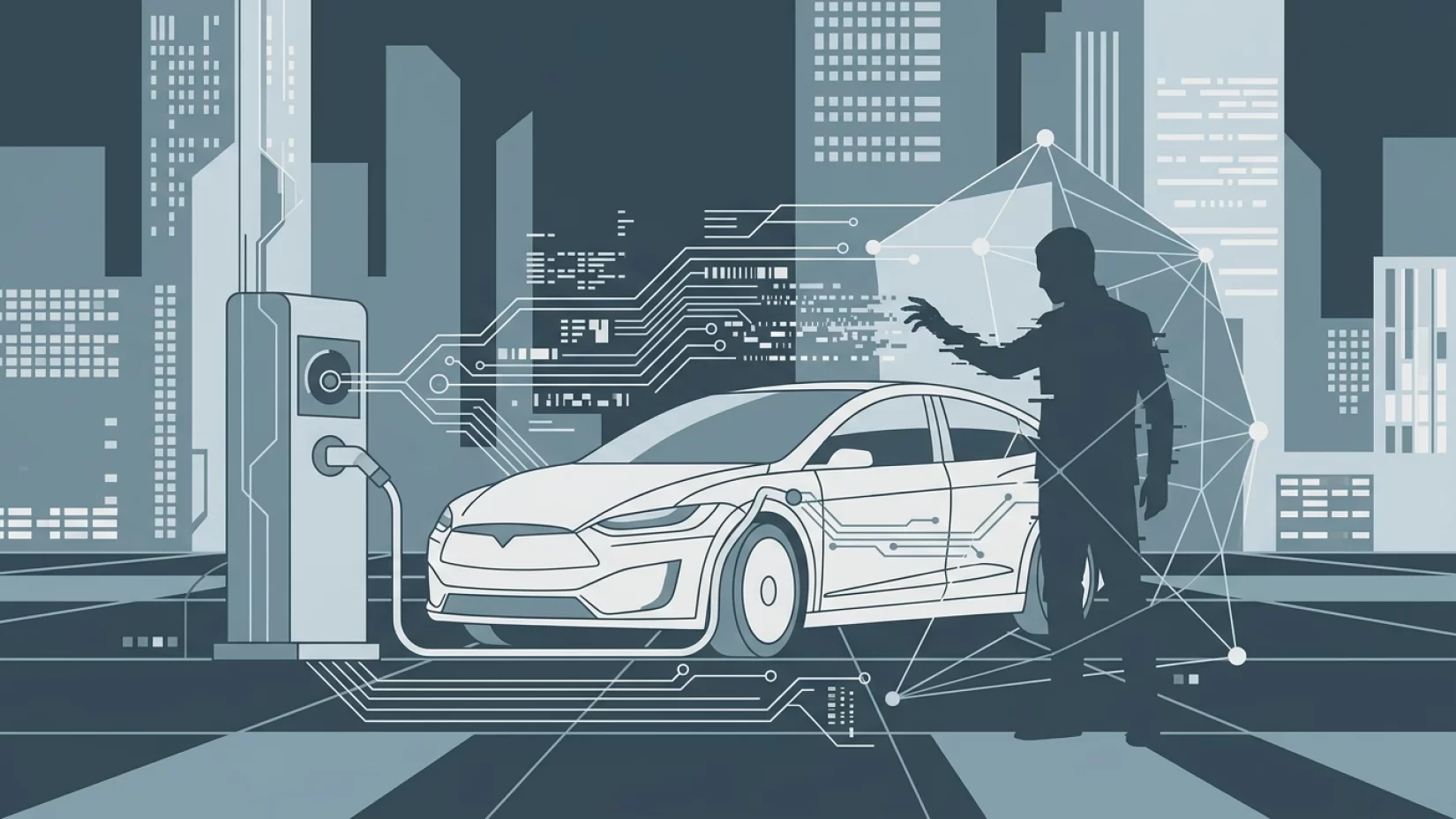
If you drive an electric vehicle, plugging in at a public charging station probably feels routine by now. Maybe you scroll your phone, check your messages, or just enjoy a quiet moment while your car juices up. But behind the scenes, there’s a new kind of risk most people don’t realize: hackers can target your vehicle through that very charger. It’s not a Hollywood plot or a distant worry—recent research shows that real vulnerabilities exist in both public and home EV charging stations, and cybercriminals are already taking notice. The consequences range from privacy invasions to potential threats to your home network, and the problem isn’t fully fixed yet. Understanding what’s at stake and how to protect yourself isn’t just smart—it’s necessary for every electric vehicle owner in 2024 and beyond.
Charging Up: Why EV Chargers Became a Hacker’s Playground
Electric vehicles are everywhere now, and so are the charging stations that keep them moving. This rapid growth is great for convenience and the environment, but it’s left a security gap. Most public (and many home) EV chargers include internet connectivity, smartphone apps, and cloud-based management features. That makes them more than just power plugs—they’re little computers, often with weak security.
In July 2024, cybersecurity experts at Southwest Research Institute found that direct current (DC) fast-charging stations had unsecured communication layers between the charger and the vehicle. In plain English: the messages your car and the charger exchange to manage charging aren’t always protected. Hackers can intercept or manipulate these messages with the right tools. And they don’t need to be criminal masterminds—security researchers at events like Pwn2Own Automotive have shown that even widely sold chargers, such as the ChargePoint Home Flex and JuiceBox 40, can be compromised with known techniques. These aren’t obscure brands; they’re some of the most popular models on the market.
To make matters worse, a 2025 report from Upstream found a 39% increase in cyberattacks targeting automotive and smart mobility products, with EV chargers accounting for 6% of these incidents. That might sound like a small fraction, but with millions of chargers worldwide, it’s a significant and growing problem.
Not Just Public Stations: Why Home Chargers Aren’t Safe by Default
It’s tempting to think, “I only charge at home, so I’m fine.” Unfortunately, that’s not always true. Many home EV chargers connect to your Wi-Fi so you can monitor charging, schedule sessions, or get updates through an app. In August 2021, Pen Test Partners found that popular home chargers—including Project EV, Wallbox, and Hypervolt—had security flaws that allowed hackers to hijack user accounts and access sensitive data. Some vulnerabilities could even expose your home network to outside attackers.
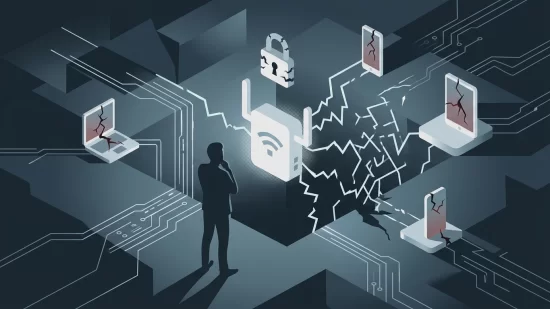
If your home charger is connected to your Wi-Fi and isn’t properly secured, it can become a backdoor for hackers. Once inside, they might not just mess with your car—they could snoop on other devices, steal data, or disrupt your home internet. It’s a risk most people haven’t considered, but security researchers have proven it’s real.
What Can Actually Happen? Realistic Consequences of a Charger Hack
Let’s break down what these vulnerabilities mean for you, the everyday EV owner. Here are some realistic scenarios:
- Unauthorized Access to Vehicle Data: Hackers can intercept data exchanged between your car and the charger, potentially learning your charging habits, vehicle identification, or even your location history.
- Manipulation of Charging Sessions: Attackers might start, stop, or alter your charging remotely. This could leave you with an unexpectedly drained battery or, in rare cases, damage your battery health.
- Account Hijacking: If your charger is linked to an app or online account, a hacker could take control, lock you out, or use your credentials elsewhere.
- Access to Home Network: For home chargers on your Wi-Fi, a successful attack could let someone poke around your home network, looking for sensitive files, devices, or other weaknesses.
- Privacy Invasion: Knowing when and where you charge can reveal personal routines—information that’s valuable to stalkers, burglars, or anyone with bad intentions.
It’s important to note: while the most extreme scenarios—like a hacker disabling your car or causing physical harm—are much less likely, the privacy and account risks are real and have already been demonstrated by researchers.
Why Millions of Users Never Realize Their Data Was Exposed
One of the sneakiest parts of these attacks is how invisible they can be. Unlike a smashed window or a stolen wallet, you might never know if someone has accessed your charger, vehicle data, or home network. Hackers often leave no obvious trace. You could be sharing your location, charging habits, or even your home’s Wi-Fi credentials without ever realizing it.
Most people assume their chargers are secure because they’re sold by big brands or because they’ve never had a problem before. Unfortunately, security isn’t always a top priority for manufacturers, especially in a rush to get products to market. Many chargers ship with default passwords, outdated software, or weak encryption—leaving users exposed.
Common Misconceptions That Put Owners at Risk
- "All EV chargers are secure by default." This is simply not true. Security varies widely between brands and models. Some have glaring flaws, while others take extra precautions.
- "Only public chargers are vulnerable." Home chargers, especially those with Wi-Fi or cloud features, can be just as risky if not properly secured.
- "Attacks are rare and won’t happen to me." While not every charger will be targeted, the number of attacks is rising. Hackers often use automated tools to scan for and exploit vulnerable devices, so anyone could be affected.
Believing these myths can lead to complacency, which is exactly what cybercriminals count on.
Are Some Brands or Models More Exposed Than Others?
Research has shown that vulnerabilities are not limited to one brand or type. For example, the ChargePoint Home Flex and JuiceBox 40—both popular in the US and Europe—were successfully exploited by security researchers in 2024. Earlier, Project EV, Wallbox, and Hypervolt home chargers were also found to have serious flaws.
Manufacturers are gradually improving their security, but the pace is uneven. Some companies respond quickly to vulnerability reports, while others drag their feet or fail to provide updates. Until the industry sets higher standards, it’s safest to assume any internet-connected charger could have weaknesses unless you’ve checked for updates and changed default settings.
Five Steps That Actually Reduce Your Risk
- Update Your Charger’s Firmware Regularly: Just like your phone or computer, your charger’s software needs updates to fix security holes. Check the manufacturer’s website or app for updates every few months.
- Change Default Passwords Immediately: Never leave your charger or its app on the factory password. Use a strong, unique password—ideally one you don’t use anywhere else.
- Limit Remote Access: If your charger or app offers remote access features, only enable them if you absolutely need them. Disable unnecessary features to reduce your exposure.
- Monitor for Unusual Activity: Watch for odd behavior from your charger, car, or home network. Unexpected charging sessions, changed settings, or new devices on your Wi-Fi could be warning signs.
- Separate Your Charger from Sensitive Devices: If possible, create a guest network on your home Wi-Fi and connect your charger there. This can prevent a breach from spreading to your other devices.
These steps aren’t complicated, but they do require a bit of attention. Think of them as basic maintenance—like checking your tire pressure or updating your navigation maps.
What If My Charger Doesn’t Offer Updates or Security Settings?
This is where things get frustrating. Some chargers, especially older or budget models, simply don’t provide regular updates or let you change important settings. If that’s the case, your options are limited:
- Contact the manufacturer and ask about security updates or patches. Sometimes updates are available, but not well-publicized.
- Consider upgrading to a newer model with better security features if your current charger is unsupported or known to be vulnerable.
- At minimum, keep your home Wi-Fi secure and use a guest network for any smart devices you can’t update.
It’s reasonable to expect better from manufacturers. If enough consumers demand security as a basic feature, the industry will have to respond.
Bigger Picture: Why This Issue Isn’t Going Away Soon
The EV charging ecosystem is still catching up to the reality of cyber threats. As more cars hit the road and more chargers are installed, the number of potential targets grows. Hackers are quick to spot new opportunities, and the research shows they’re already poking holes in the system. Manufacturers, regulators, and consumers all have a role to play in closing these gaps.
For now, the best defense is awareness and a few practical steps. Don’t let the convenience of EV charging lull you into a false sense of security. With a little effort, you can protect your car, your data, and your home from risks that most people haven’t even thought about yet.
Final Thoughts: Stay Informed, Stay Protected
Owning an electric vehicle should be a source of pride and freedom, not anxiety. While the risks around EV charger security are real and growing, they’re not unmanageable. By staying informed, taking basic precautions, and holding manufacturers accountable for security flaws, you can enjoy the benefits of your EV without unnecessary worry. Don’t ignore this issue—but don’t let it overshadow the many positives of driving electric. A little vigilance goes a long way.