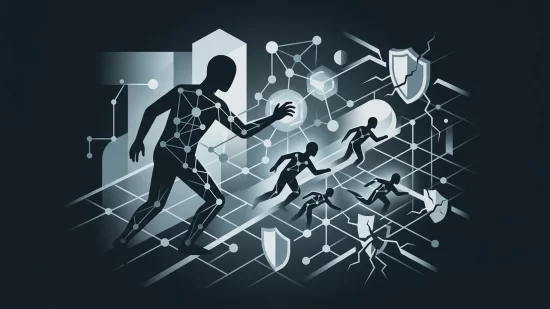
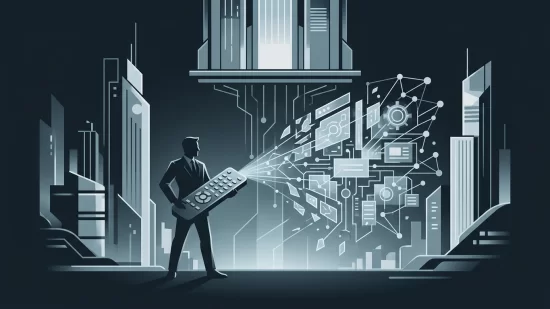
So here's another data breach—10 million people caught in the crosshairs, all because they trusted Transport for London (TfL) to get them from A to B and maybe, just maybe, keep their personal information off some hacker’s shopping list. Spoiler: they didn’t. This isn’t some obscure e-commerce startup leaking email addresses. We’re talking about the lifeblood of London’s daily grind, the digital backbone of public commuting, sprawling and now, embarrassingly, porous.
Another Breach, Just with Bigger Numbers
Public transport has gone digital and, surprise, criminals followed. Early 2024 saw hackers break into TfL’s database and make off with the personal info of roughly 10 million people. You, your neighbor, the guy who spilled coffee at King’s Cross—if you touched a travel card or set up an online account, there’s a good chance you’re on that list. Names, addresses, emails, and payment details—potential gold for anyone out to steal an identity or rack up charges on your behalf.
If you’re feeling déjà vu, it’s because we’ve been here before. Every few months, it seems another pillar of public life gets cracked open and dribbles private info into the wild. And each time, the number of affected users ticks higher, matched only by the sighs of resignation from those told once again to "monitor your accounts" and "change your passwords." Cynical? Sure, but realistic.
What’s the Real Risk?
Your first instinct is probably to check your bank app, then blame yourself for reusing that password from university. But the problem runs deeper than personal habits. Cybercriminals target big entities for a reason: size and sloppiness often go hand in hand when managing sprawling digital systems that weren’t originally built with 2024’s threat model in mind. Add the pressure to digitize every piece of the public sector, and you’ve got a recipe for disaster.
This breach isn’t some abstract problem for tech wonks. It’s about unsolicited emails, phishing attacks, and the gnawing worry that someone’s already using your name and address to open a credit card. While no system is absolutely secure, 10 million people all affected at once is a statistic too big to casually brush aside.
The Broken Promises of "We’re Investigating"
TfL’s playbook is painfully familiar. Acknowledge the breach. Kick off an investigation. Promise to boost security (this time, for real). Send out warnings to "stay vigilant." There’s not much more they can say—they’re legally required to perform this ritual—but it’s hard to ignore just how routine it’s become.
Behind the scenes, you can bet security teams are scrambling to patch holes and retrace the hackers’ steps, all while executives polish public statements. For those affected, though, the sense of unease doesn’t just disappear with a password reset. Many will disregard TfL’s advice as yet more white noise in a world full of data breach fatigue. But ignoring it comes at your own risk.
The Bigger Problem: Public Transport’s Digital Achilles Heel
The TfL breach spotlights a growing problem for cities everywhere. As public transport systems become more reliant on interconnected data—ticketing, scheduling, contactless payments—they turn every user into a potential security liability. AI and machine learning promise efficiency but also multiply attack surfaces. And frankly, public entities rarely get enough funding, staff, or foresight to defend against sophisticated cyber threats. You might have a better IT department at your local coffee chain.
Public transportation isn’t optional. For millions, it’s the only way to navigate city life. Yet these institutions increasingly collect mountains of personal information—often under the radar, with opt-outs buried in the fine print—without convincing evidence they can keep it safe. If 10 million records can walk out the door undetected until it’s too late, users have to start asking why they’re being asked to trade privacy for "convenience."
What Can You Actually Do About It?
When you’re told to "stay on guard," what does that really mean? It’s not about learning to code or installing obscure anti-malware tools on your phone. Start with the basics:
- Review your bank and credit card statements religiously, not just after you see another hack in the news.
- Change your passwords—often. And, for love’s sake, don’t reuse them across accounts (no judgment, but seriously).
- Enable two-factor authentication wherever it exists, even if it means one more text message in your life.
- Ignore or report unsolicited emails and messages, especially ones pretending to be TfL or offering "support." Scammers love piggybacking on real breaches for phishing attempts.
- Push yourself to actually read those official emails from TfL and not just swipe them away. There could be real advice or updates tucked inside the legal jargon.
Not fun, not exciting, but it beats waking up to find your paycheck rerouted to a stranger’s crypto wallet.
Will AI Actually Help or Hurt?
Here’s the kicker: everyone talks up the benefits of artificial intelligence in keeping systems secure—but AI is a double-edged sword. Yes, you get smarter defenses and automated attack detection. But hackers are using AI too, and faster than any government IT department can chew through procurement red tape. Automated phishing and vulnerability discovery tools are already commonplace underground, enabling hackers to scale up attacks as easily as you plan your commute.
For TfL and its peers, bolting AI widgets onto legacy systems looks good in a presentation but does little if your core infrastructure is held together by a patchwork of neglected code and policy shortcuts. There’s no algorithm that’ll magically fix years of failure to invest in serious cybersecurity.
The Price of Convenience: Your Personal Data
At the end of the day, digital integration in transport is here to stay, and so are the risks. You want contactless everything, app-based accounts, first-class data-driven schedules. The price? More of your personal info floats out there, waiting for the next breach. TfL isn’t the first big fish to get hacked in 2024, and it won’t be the last.
Want real change? Demand answers from the people running these systems. Ask what’s happening with your data, how it’s encrypted, who can access it. Otherwise, you’re just another line in another breached database, hoping your details don’t fetch much on the black market this month.
For now, keep your digital shields up. Switch up your passwords, stay suspicious, and don’t bet on the next "enhanced security protocol" to be your saving grace. In a world where the buses and trains are smarter, but the watchdogs aren’t, caution isn’t paranoia—it’s common sense.