Imagine stopping at your neighborhood gas station, sliding your card into the pump, and thinking nothing of it. Or maybe you’re grabbing cash from an ATM before heading out for the evening. Within seconds, your card info is silently copied, and your hard-earned money could soon be in the hands of criminals. Card skimming isn’t some distant threat—it’s happening daily, everywhere, and it’s a lot sneakier than most people realize. In 2023 alone, skimming incidents nearly doubled, and the numbers are still staggering in 2024. The consequences go far beyond a few fraudulent charges. For many, it’s weeks of stress, financial chaos, and the uneasy feeling that your money isn’t as safe as you thought. The good news? You don’t need to be a tech expert to protect yourself. Knowing what to look for, and how to act, can make all the difference. Let’s break down what card skimmers are, how they work, and—most importantly—how you can spot them before they spot you.
What Exactly Is a Card Skimmer?
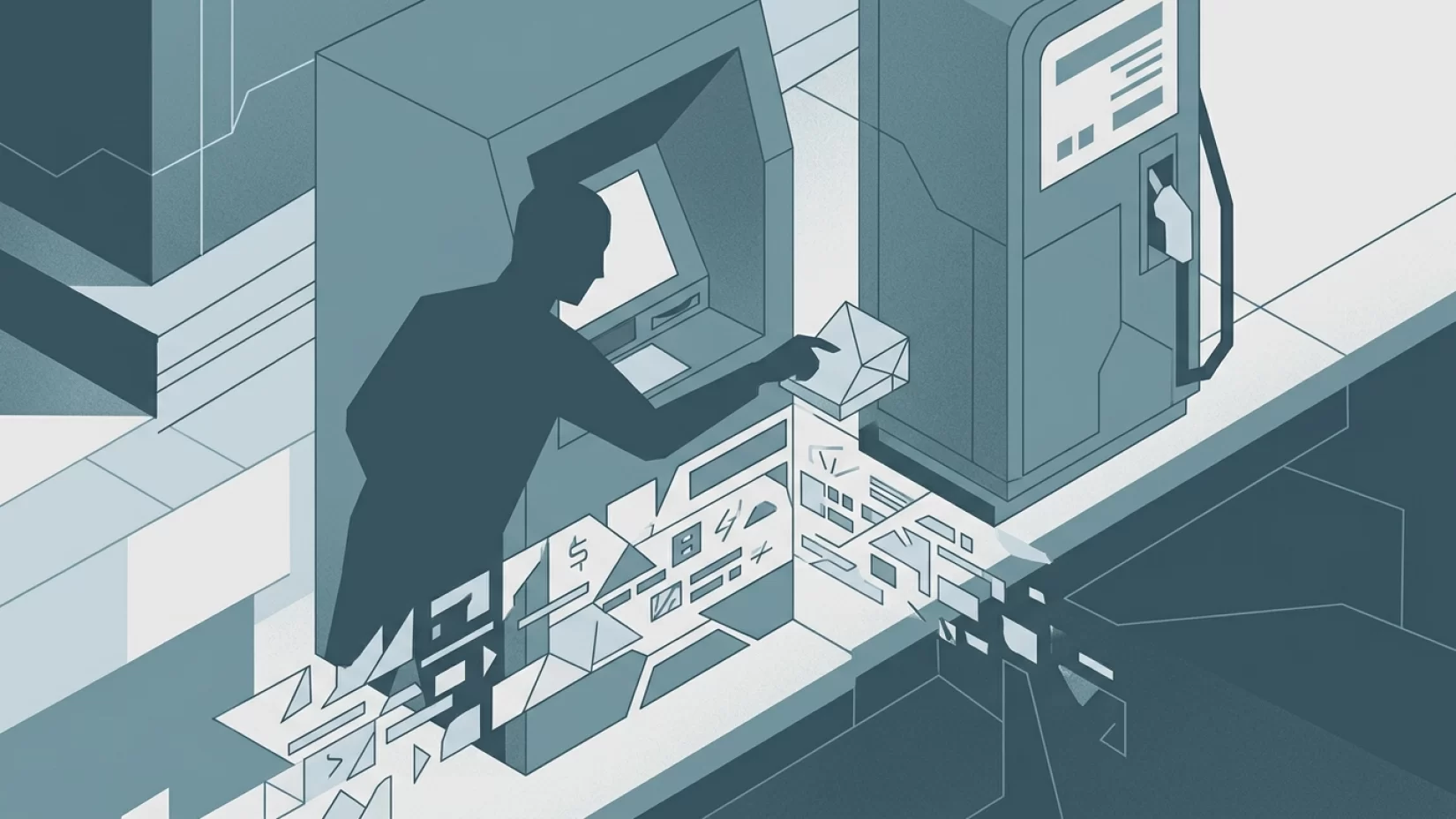
Card skimmers are small, often cleverly disguised devices that criminals attach to legitimate card readers at places like ATMs, fuel pumps, and even some retail checkouts. Their goal is simple: copy your card’s information as you use it. Most skimmers read the data stored on the magnetic stripe or chip, and many also include a tiny camera or a fake keypad to capture your PIN.
Think of a skimmer as a parasite—it sits on top of the real card slot or keypad, quietly stealing your details as you go about your day. After collecting enough data, criminals use it to create counterfeit cards or make unauthorized purchases, sometimes draining accounts before you even realize something’s wrong.
Why Skimming Still Works in 2024
With all the talk about chip cards and contactless payments, you might expect card skimming to be a thing of the past. Unfortunately, that’s not the case. In fact, skimming incidents jumped by 96% in 2023, and although there was a slight drop in 2024, over 231,000 debit cards were still compromised in the U.S. alone.
Why is this old-school scam still so effective? A few reasons:
- Not all card readers are upgraded: Many ATMs and fuel pumps still rely on older technology, which is easier for criminals to exploit.
- Chip cards aren’t foolproof: While harder to clone, chip cards can still have their data stolen if the terminal isn’t secure or if a skimmer is sophisticated enough.
- Contactless isn’t everywhere: Plenty of places still require you to insert or swipe your card, leaving you exposed.
- Skimmers are getting harder to spot: Modern skimming devices are small, well-camouflaged, and sometimes even 3D-printed to match the look and feel of official hardware.
Why Millions of Users Never Realize Their Data Was Exposed
One of the most dangerous aspects of card skimming is how invisible it can be. You don’t get an alert when your card is copied. There’s no sound, no error message, and often no sign that anything’s wrong until unauthorized charges show up on your statement—sometimes weeks later.
Many people don’t check their accounts regularly, or they might overlook a small charge, thinking it’s a forgotten purchase. Skimming organizations often test stolen cards with tiny transactions before making bigger withdrawals or purchases. By the time you notice, the damage is often done.
And let’s be honest: nobody wants to believe it could happen to them. But with over $1 billion lost each year to skimming, and hundreds of thousands of cards compromised annually, it’s not just unlucky people or those who are “careless.” These devices are designed to fool everyone, even the security-conscious.
Common Myths That Put You at Risk
There’s a lot of wishful thinking and misinformation when it comes to card skimming. Let’s clear up a few persistent myths:
- “Skimmers are easy to spot.” Not anymore. Early skimmers were clunky and obvious. Today’s devices are slim, color-matched, and often factory-quality. Some are installed inside the machine, making them invisible from the outside.
- “Only ATMs are targeted.” False. Fuel pumps are a major target, especially those located farther from the attendant or security cameras. Point-of-sale terminals in stores can also be compromised.
- “My chip card protects me.” It helps, but it’s not a guarantee. If the terminal isn’t secure or if you’re forced to swipe, your data is still vulnerable. Some advanced skimmers can even intercept chip data.
- “I’ll know right away if my card is skimmed.” Usually, you won’t. Most victims only find out after money is missing or their bank contacts them about suspicious activity.
What Does a Card Skimmer Look Like? (And Why That’s Not Always Enough)
So, what should you be looking for? Here’s where things get a bit tricky. Skimmers are designed to blend in, but there are still some telltale signs:
- Loose or wobbly card slots: If the card reader moves or feels loose, it could be a skimmer attached over the real slot.
- Color or material differences: Look for mismatched plastics, colors, or textures around the card slot or keypad.
- Extra or unusual attachments: Any odd-looking device or protrusion near the card reader, especially small boxes or strips, could be a sign.
- Hidden cameras: Tiny pinhole cameras are sometimes placed above the keypad or on brochure holders, aimed at capturing your PIN.
- Thick keypads: A fake keypad placed over the real one will often feel raised or harder to press.
But here’s the catch: some skimmers are installed inside the machine, completely invisible from the outside. That’s why relying on looks alone isn’t enough. You need to combine visual checks with smart habits.
Real-World Skimming: What Happens When You’re a Victim?
Let’s walk through a common scenario: You stop at a fuel pump late at night, quickly pay, and drive off. Days later, your bank notifies you of several strange charges in another city. Your card is frozen, but you’re left sorting out the mess—calls to your bank, waiting for a new card, updating recurring payments, and wondering if your identity is at risk.
In May 2024, seven people were charged for running a national skimming ring targeting gas pumps. They hit countless consumers, many of whom had no idea their data was stolen until the fraud was already underway. For some, the financial loss was immediate. For others, the emotional toll—stress, frustration, and the loss of trust—lingered long after the money was refunded.
Financial institutions and law enforcement are fighting back, but skimming remains a billion-dollar problem worldwide. And while you can usually get your money back, the process is rarely painless.
Five Steps That Actually Reduce Your Risk
So, what can you realistically do? You don’t need to be paranoid, but a few smart habits can make you much less likely to become a victim:
- Inspect before you insert. Before using any ATM or fuel pump, take a moment to check for loose parts, mismatched colors, or anything that seems out of place. Wiggle the card reader and keypad gently—if anything moves, don’t use it.
- Cover your PIN. Always use your hand or body to shield the keypad when entering your PIN. This simple step can block hidden cameras from capturing your code, even if a skimmer is present.
- Choose safer locations. Use ATMs inside bank branches or well-lit, busy areas whenever possible. Skimmers are less likely to be installed where employees and security cameras are watching closely.
- Monitor your accounts. Check your bank and credit card statements regularly—at least once a week. Look for unfamiliar transactions, no matter how small. Many banks let you set up instant alerts for every card use.
- Report anything suspicious. If a card reader looks odd, feels loose, or you spot a hidden camera, notify the business and your bank immediately. Don’t worry about being wrong—better safe than sorry.
Bonus tip: If you have the option, use contactless payments (like tapping your phone or card) instead of inserting or swiping. Contactless transactions are much harder for skimmers to intercept.
What To Do If You Think Your Card Has Been Skimmed
If you notice unauthorized charges or suspect your card details have been stolen, act quickly:
- Contact your bank or card issuer immediately. They can freeze your card and prevent further losses.
- Review your recent transactions and report any you don’t recognize.
- Request a new card with a different number.
- Update any automatic payments linked to the compromised card.
- Consider placing a fraud alert on your credit file, especially if identity theft is a concern.
Most banks have zero-liability policies for fraud, but quick action is key to limiting the hassle and stress.
The Broader Picture: Why Skimming Persists (And What Needs to Change)
Despite years of headlines and advances in card technology, card skimming remains a stubborn problem. Why? Partly because the criminals are persistent and creative, but also because many businesses haven’t upgraded their machines or trained their staff to spot tampering. Some companies cut corners on security, leaving gaps for criminals to exploit. And, frankly, some card issuers still make it too easy for fake cards to be used before the real owner is even aware.
Consumers bear too much of the burden. While you can do a lot to protect yourself, the responsibility shouldn’t fall entirely on your shoulders. Banks, gas stations, and ATM operators need to invest in better security, update their equipment, and respond quickly to reports of tampering. Until that happens, staying alert and informed is your best defense.
Card Skimming: A High Risk That Demands Your Attention
Let’s be clear: card skimming is not a rare or minor nuisance. With hundreds of thousands of victims each year and billions lost globally, the risk is real and ongoing. You don’t need to panic, but you do need to be aware. By learning what to look for, adopting a few protective habits, and acting quickly if something goes wrong, you can dramatically reduce your chances of being the next victim. Don’t let the criminals win by counting on your inattention. A minute of caution at the pump or ATM can save you weeks of trouble down the road.