QR codes are everywhere these days—on restaurant tables, parking meters, bank emails, and even flyers taped to streetlights. They’ve become a shortcut for everything from paying a bill to checking a menu. But what happens when that convenient little black-and-white square turns into a trap? This isn’t just a hypothetical risk: QR code scams, also known as “quishing,” are rising at an alarming rate, with millions already affected. If you’ve ever scanned a QR code without a second thought, this is a wake-up call worth your time. Understanding how these scams work, why they’re so effective, and what you can do to protect yourself could save you from serious financial and personal headaches.
Why QR Code Scams Are Spreading So Fast
QR codes were designed for convenience. During the pandemic, they became the go-to tool for contactless menus, payments, and check-ins. Businesses and public services embraced them, and so did we. Unfortunately, criminals noticed too. They realized it’s surprisingly easy to hijack this trust: just print a fake QR code sticker and slap it over a legitimate one, or slip a malicious code into an email pretending to be from your bank. The result? A 146% jump in QR code phishing incidents in just the first quarter of 2026, according to security reports.
What makes this so effective is that most people don’t think twice before scanning a QR code. There’s no obvious sign that something’s off—no suspicious link to hover over, no pop-up warning. The scam is hidden in plain sight, and the technology itself doesn’t protect you from being tricked.
Quishing: The New Face of Phishing
You may have heard of phishing—fake messages or websites designed to steal your information. Quishing is just phishing with a QR code as the bait. When you scan a fraudulent code, you’re often redirected to a website that looks completely legitimate. It might mimic your bank’s login page, a parking payment portal, or a restaurant order form. Enter your details, and you’ve handed them straight to criminals.
Unlike traditional phishing, which relies on you clicking a suspicious link, quishing exploits your trust in the physical world. A QR code on a parking meter or a menu feels official. But as real-world incidents show, appearances can be dangerously deceiving.
Real-World Scams: Parking Meters, Menus, and Beyond
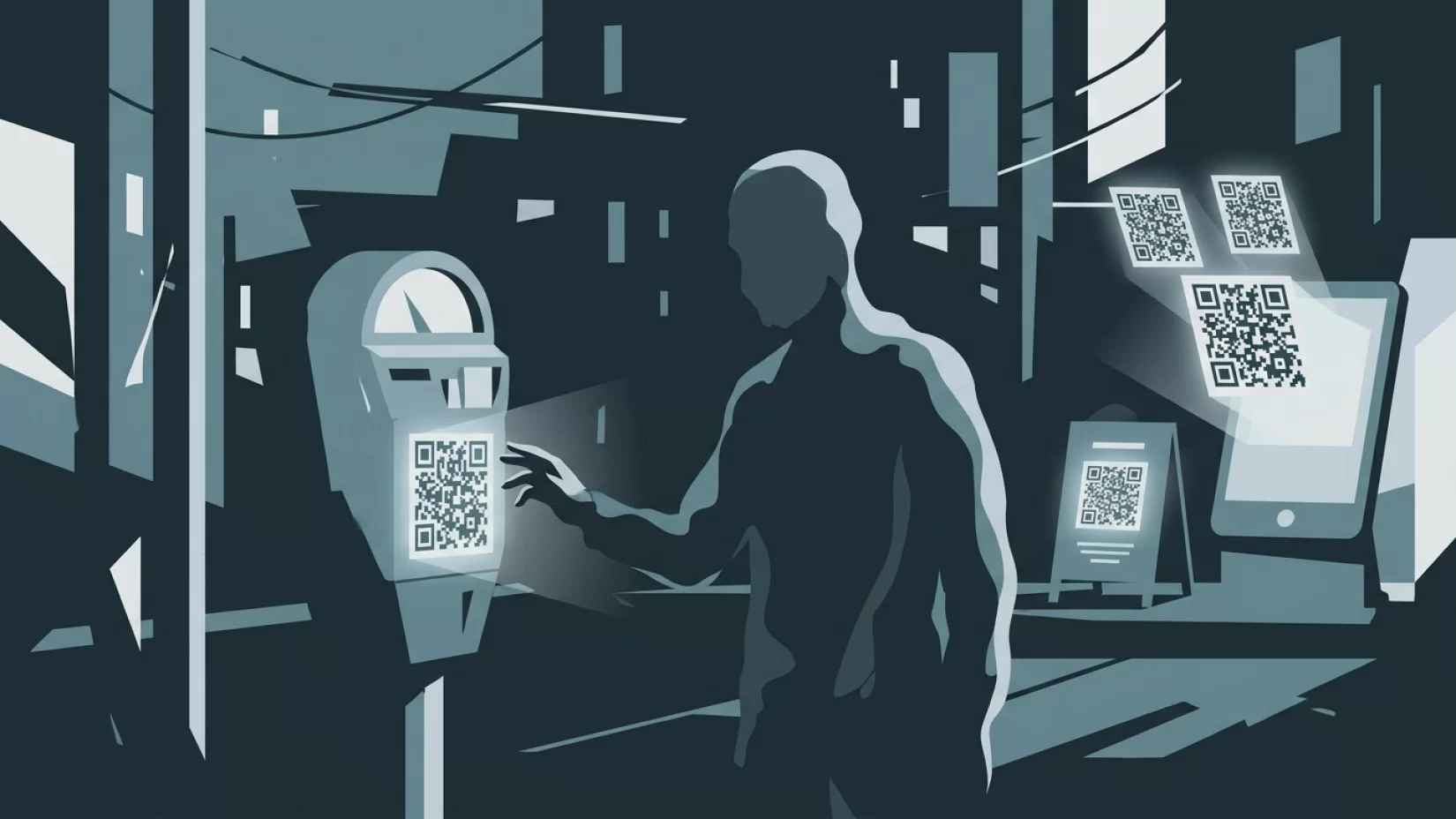
In 2022, cities like Houston, Austin, and San Antonio discovered fake QR codes stuck on their parking meters. Drivers scanned them, thinking they were paying for parking, but the codes led to lookalike websites that stole their payment details. Des Moines faced a similar scam in 2024, with officials warning residents after fake QR codes popped up on local meters.
Restaurants aren’t immune either. QR codes on tables or takeout menus can be swapped with fraudulent ones, leading customers to phishing sites that harvest credit card numbers or login credentials. Even emails from banks or delivery services can contain malicious QR codes, bypassing spam filters and landing directly in your inbox.
These scams aren’t rare. Over 26 million people have fallen victim to QR code fraud so far, and those are just the reported cases. The actual number is likely much higher, given how many incidents go unnoticed or unreported.
Why Millions Of Users Never Realize Their Data Was Exposed
One of the most unsettling aspects of quishing is how quietly it works. Scanning a code feels routine. If you’re redirected to a convincing website, you might not notice anything unusual—until unauthorized charges appear on your bank statement or your account is locked.
Many victims don’t realize they’ve been scammed until days or weeks later. By then, the criminals may have drained accounts, made purchases, or sold your information. Unlike a stolen credit card or a hacked email, there’s often no immediate red flag. This delay makes recovery harder and increases the risk of long-term damage, like identity theft or ongoing financial fraud.
Common Misconceptions That Put You At Risk
- “If a QR code looks official, it’s safe.” Criminals deliberately make fake codes look legitimate, copying logos and design elements. Never judge by appearance alone.
- “QR code scams only happen online.” In reality, physical scams are widespread—parking meters, restaurant tables, event posters, and more.
- “If the website looks real, it’s trustworthy.” Phishing sites are designed to mimic real ones perfectly. Always check the web address (URL) carefully.
- “My phone’s security will protect me.” Most phones don’t warn you about malicious QR codes. The risk is in where the code sends you, not the scanning itself.
What Actually Happens If You Scan a Fake QR Code?
Let’s walk through a realistic scenario. You’re parking downtown, running late. You see a QR code on the meter, scan it, and a website pops up asking for your credit card details. It looks just like the city’s payment page, so you enter your info and pay. Minutes later, you get a confirmation screen, but it’s fake. The money never goes to the city—it goes to a scammer. Worse, your card details are now in criminal hands. You might not notice until unauthorized charges appear or your bank contacts you about suspicious activity.
In another example, you’re at a restaurant and scan a QR code to order food. The site asks for your Google or Apple login to "speed up checkout." You enter your credentials, not realizing you’ve just handed over access to your email, contacts, and possibly payment methods.
The consequences can range from minor inconvenience (canceling a card) to major headaches: drained bank accounts, identity theft, or loss of access to critical online accounts.
Why There’s No Easy Fix—And Who’s Responsible
Unlike software bugs or app vulnerabilities, QR code scams don’t have a technical patch. The problem isn’t in your phone or the QR code technology itself, but in how easily criminals can place their own codes in public spaces or inside emails. There’s no universal system for verifying the legitimacy of a QR code before you scan it.
City governments, restaurants, and banks should be doing more to protect consumers—like using tamper-evident labels, public education, or better monitoring. But the reality is, many organizations haven’t caught up to the threat. Some ignore warnings altogether, leaving consumers exposed. Until companies and public services take these risks seriously, the burden falls unfairly on everyday users.
Five Steps That Actually Reduce Your Risk
- Inspect Before You Scan. Look for signs of tampering—QR code stickers placed over other codes, misaligned printing, or codes that seem out of place. If something looks off, don’t scan it.
- Check The URL Carefully. After scanning, your phone will show the website address before you open it. Make sure it matches the official domain (for example, cityname.gov, not cityname-payments.com). Look for HTTPS and avoid entering personal info on unfamiliar sites.
- Use Official Apps Or Websites. For payments or sensitive transactions, open the official app or type the website address manually instead of scanning a QR code. This is especially important for banking, parking, and restaurant orders.
- Be Wary Of QR Codes In Emails. Treat QR codes in emails the same way you would suspicious links. If you receive a QR code from your bank or another service, verify it through their official channels before scanning.
- Educate Family And Friends. Share what you’ve learned. Many people (especially older relatives or less tech-savvy friends) may not be aware of these scams. A quick conversation can prevent a costly mistake.
What To Do If You Think You’ve Been Scammed
If you realize you’ve entered sensitive information after scanning a suspicious QR code, act quickly:
- Contact your bank or credit card company immediately to freeze your account and dispute unauthorized charges.
- Change passwords for any affected accounts, especially if you entered login details.
- Monitor your accounts for unusual activity over the following weeks.
- Report the scam to local authorities or the relevant business (such as the city parking office or restaurant manager) so they can warn others.
Don’t feel embarrassed—these scams are designed to fool even careful people. Taking prompt action limits the damage and helps others stay safe.
Broader Implications: Convenience Versus Security
QR code scams highlight a bigger issue with modern technology: the balance between convenience and security. We love shortcuts, but every new convenience can open the door to new risks if companies and consumers aren’t vigilant. Until businesses step up their security game and invest in better protections, it’s up to all of us to pause, look twice, and question what we’re scanning.
It’s frustrating that so much responsibility lands on everyday people, but knowing the risks and taking small, practical steps can make a big difference. Scanning a QR code should be safe and easy. With a little extra caution, it can be again.
Final Thoughts: Stay Curious, Stay Skeptical, Stay Safe
Quishing isn’t going away anytime soon. As long as QR codes are part of daily life, scammers will keep trying to exploit our trust and routines. That doesn’t mean you need to panic or stop using QR codes altogether. It just means a little healthy skepticism goes a long way. Next time you’re about to scan, pause and ask: does this code belong here? Do I trust where it’s taking me? Your bank account—and your peace of mind—will thank you.