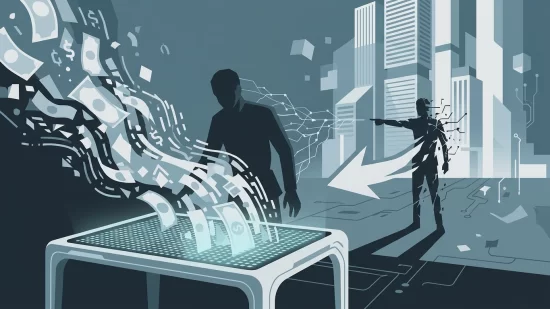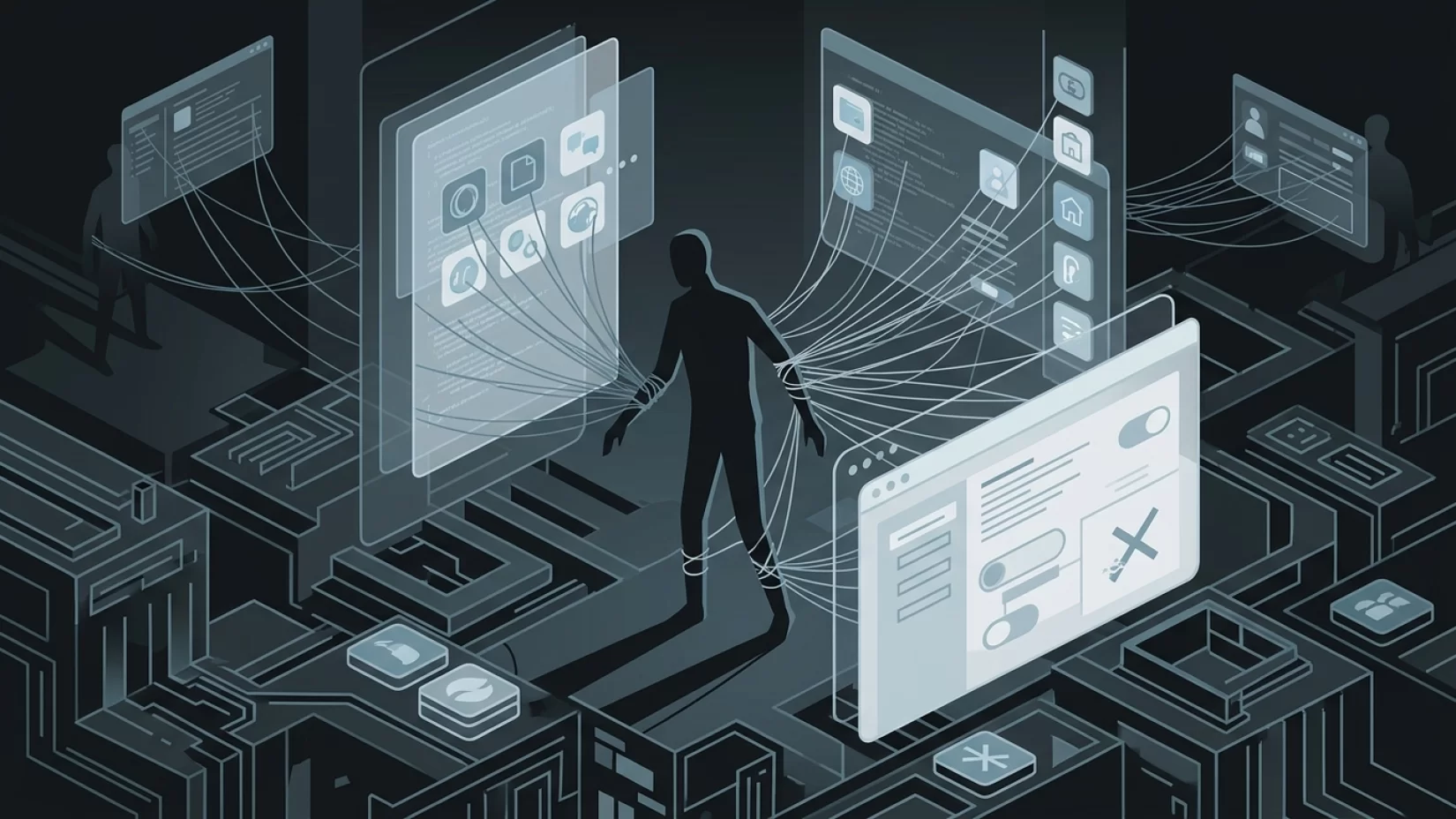
Have you ever checked your bank statement and spotted a mysterious charge from an app you barely remember downloading? Or maybe you signed up for a free trial, only to find out months later that you’ve been paying for a subscription you never knowingly agreed to? If so, you’re far from alone. Millions of people worldwide are quietly losing money to hidden app subscriptions — and most don’t even realize it’s happening. The problem isn’t just forgetfulness or carelessness; it’s the result of deliberate, sneaky design tricks built into many popular apps. These tricks, called "dark patterns," are meant to confuse you, rush you, or hide important information until you’re already stuck paying. Understanding how these traps work and how to fight back is now an essential skill for anyone with a smartphone or tablet. Let’s break down what’s really happening, why it matters, and — most importantly — how you can protect your money and your peace of mind.
Why So Many People Are Getting Trapped By App Subscriptions
You might think you’d notice if an app tried to sneak a subscription past you. After all, shouldn’t you have to tap “Agree” or enter your password before any money changes hands? In theory, yes. In reality, app developers have become experts at hiding the truth in plain sight. According to a 2024 FTC study, nearly 76% of subscription apps and websites use at least one "dark pattern" — a design trick meant to nudge or trick you into paying. Even more worrying: 67% of those apps use more than one deceptive tactic at the same time.
These tricks aren’t limited to shady or unknown apps. Well-known fitness, streaming, photo editing, and productivity apps have all been caught using confusing language, misleading buttons, or hard-to-find cancellation options. Sometimes, the “free trial” you sign up for automatically turns into a paid subscription with barely any warning. Other times, the app buries the real cost in tiny text or behind several confusing menus. The end result? You get charged — and often don’t notice until weeks or months later.
What Are "Dark Patterns" — And How Do They Work?
"Dark patterns" are design tactics that intentionally make it hard for you to make informed choices. Instead of being upfront and honest, these patterns rely on confusion, distraction, and pressure. Here are some of the most common dark patterns used by subscription apps:
- Pre-checked boxes: You think you’re agreeing to one thing, but a tiny box (already checked) enrolls you in a recurring subscription.
- Hidden costs: The app advertises a free feature, but the real functionality is locked behind a paid subscription — which starts automatically after a short trial.
- Ambiguous language: Buttons like “Continue” or “Start” don’t make it clear you’re agreeing to pay.
- Hard-to-find cancel options: Cancelling is buried under multiple menus, or only possible through a confusing process.
- Time pressure: Phrases like “Offer ends soon!” or countdown timers rush you into a decision without reading the fine print.
The Central Consumer Protection Authority (CCPA) has identified 13 types of dark patterns, including subscription traps, and is working to ban them. But enforcement is slow, and many apps continue to use these tricks in 2026.
Why Millions Never Realize Their Data (and Money) Was Exposed
It’s easy to assume you’d spot a sneaky charge or get a warning before money leaves your account. Unfortunately, most people don’t. In a 2024 survey by LocalCircles, 67% of consumers said they’d been caught in a subscription trap — where a one-time purchase quietly turned into a recurring charge. Many only noticed after several months, often after losing significant amounts of money.
Why does this happen? For one thing, app charges often appear under confusing names on your bank statement. You might see a line like “APPSTORE*XYZ123” or “GOOGLE*APP NAME,” which doesn’t clearly connect to the service you’re using. If you have dozens of small transactions each month, it’s easy to overlook a few dollars here and there.
There’s also a widespread belief that uninstalling an app cancels its subscription. This is simply not true. Deleting an app from your phone or tablet does not stop the recurring payment. Unless you manually cancel the subscription through your device settings or the app’s website, the charges will keep coming.
Real-World Consequences: More Than Just Money
At first glance, a few dollars a month might not seem like a big deal. But the impact of hidden subscriptions goes far beyond the financial hit. Here’s what many people experience:
- Stress and anxiety: Discovering unexpected charges can be upsetting, especially if money is tight or you’re trying to stick to a budget.
- Confusion: Trying to figure out which app is charging you, how to cancel, and whether you’ll get a refund can be overwhelming.
- Loss of trust: Feeling tricked by an app can make you wary of trying new services or trusting digital platforms in the future.
- Decision fatigue: Having to constantly monitor and manage subscriptions adds yet another chore to your digital life.
For some, the embarrassment of falling for a subscription trap can also sting — but it’s important to remember that these tactics are designed to fool even careful users. There’s no shame in being targeted by manipulative designs. The blame belongs with the companies using these tricks, not with you.
Common Misconceptions About App Subscriptions
Let’s clear up a few myths that keep people stuck paying for things they don’t want or need:
- "Uninstalling an app cancels its subscription." False. You must cancel through your device’s subscription manager or the app’s website.
- "All subscription charges are legitimate." Not true. Many charges are the result of confusing or deceptive sign-up processes.
- "Only scammy or unknown apps use dark patterns." Unfortunately, even well-known and highly rated apps have used these tricks to boost profits.
Believing these myths is exactly what dark pattern designers are counting on. Staying informed is your best defense.
How To Spot a Subscription Trap Before You Get Caught
You don’t need to be a tech expert to protect yourself. Here are some warning signs that an app may be trying to sneak a subscription past you:
- The app advertises a “free trial” but asks for payment info up front.
- Pricing information is hidden in fine print or hard to find.
- Buttons are labeled “Continue,” “Start,” or “Try Now” without making it clear you’re agreeing to pay.
- There’s a countdown timer or urgent language pushing you to act fast.
- It’s hard to find information about how to cancel, or the cancellation process is complicated.
If you see any of these red flags, take a moment to read the terms carefully. If you’re unsure, search online for reviews or complaints about the app. Chances are, if others have been trapped, someone has already warned about it.
Five Steps That Actually Reduce Your Risk
If you’re worried you might be paying for hidden subscriptions — or just want to avoid them in the future — these practical steps can help:
- Check your device’s subscription list regularly.
- On iOS: Go to Settings > [Your Name] > Subscriptions.
- On Android: Open the Google Play Store > Menu > Subscriptions.
- Scrutinize your bank and credit card statements. Look for unfamiliar charges, especially small recurring amounts. If you see something suspicious, investigate immediately.
- Don’t assume deleting an app cancels payments. Always cancel the subscription first, then remove the app if you wish.
- Contact customer support if you’re stuck. Most app stores and apps have a way to request cancellation and, in some cases, a refund if you were misled.
- Consider using a subscription tracking app. There are reputable services that help you monitor and manage all your subscriptions in one place. Just be sure to choose one with strong privacy policies and good reviews.
It’s a good idea to set a calendar reminder to review your subscriptions every few months. A few minutes of checking can save you a lot of frustration (and money) down the line.
What To Do If You’ve Been Charged Without Your Consent
If you discover a charge you didn’t knowingly agree to, don’t panic. Here’s what to do:
- Document everything. Take screenshots of the charge, any emails or notifications, and the app’s subscription page.
- Cancel the subscription immediately. Use your device’s subscription manager or contact the app’s support team.
- Request a refund. Both Apple and Google have refund processes for unauthorized or misleading charges. The sooner you act, the better your chances.
- Report the app. If you believe the app is using deceptive practices, report it to the app store and relevant consumer protection authorities (such as the FTC or your country’s equivalent).
You may not always get your money back, but taking these steps can stop further charges and help protect other users.
Why Regulators Are Struggling — And Why You Can’t Rely On Them Yet
Agencies like the FTC and CCPA are well aware of the problem. The CCPA issued a ban on dark patterns in late 2023, and the FTC’s 2024 study brought more attention to the issue. However, enforcement takes time, and app developers often find new ways to skirt the rules. As of 2026, deceptive subscription tactics remain widespread, especially outside of the strictest regulatory markets.
While regulators are making progress, consumers still need to be proactive. Don’t assume that an app store’s approval means an app is safe or honest. Many apps slip through the cracks, and global enforcement is inconsistent. Until the rules catch up, your best defense is vigilance.
Looking Ahead: Building Healthy Digital Habits
Managing subscriptions shouldn’t feel like a full-time job, but it’s become a necessary part of digital life. The good news is that once you know what to look for, you’re much less likely to get trapped. Make it a habit to:
- Read the fine print before starting a free trial or entering payment info.
- Use your device’s subscription settings instead of relying on memory.
- Talk to friends and family about these issues — many people don’t realize they’re affected until someone points it out.
Companies have a responsibility to treat users fairly, and regulators are slowly forcing change. But until deceptive designs are a thing of the past, a little skepticism and a regular checkup of your subscriptions can save you from unnecessary stress and wasted money.
Final Thoughts: Confidence, Not Fear
Hidden app subscriptions are a real and growing problem, but you’re not powerless. By understanding how dark patterns work and taking a few simple steps, you can protect yourself and your loved ones from unwanted charges. Don’t let sneaky apps take advantage of your trust. Stay informed, stay skeptical, and take control of your digital spending. Your wallet — and your peace of mind — will thank you.