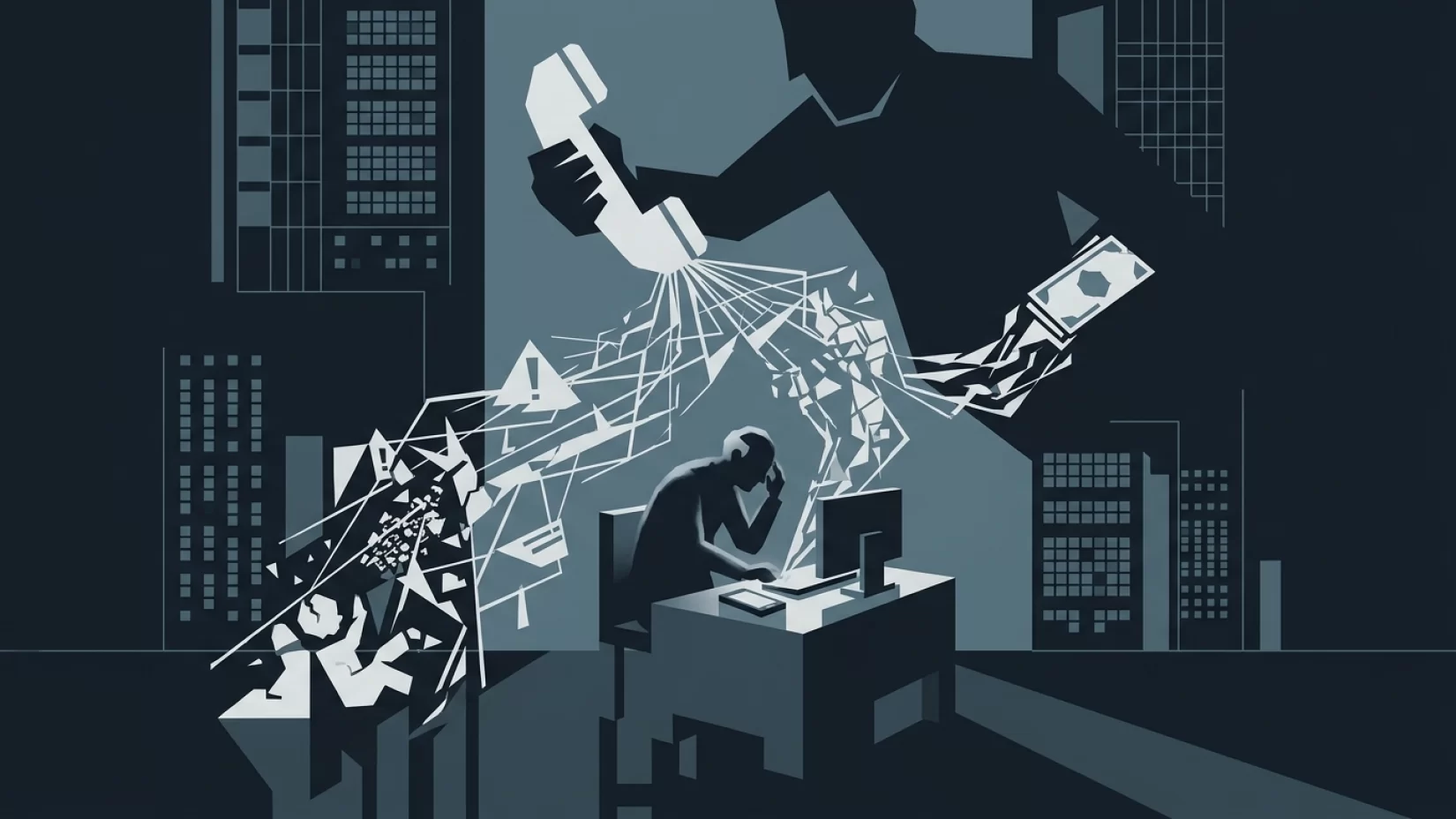
Imagine picking up your phone and hearing your grandchild’s voice, trembling on the other end. They say they’re in trouble—maybe in jail, maybe in a hospital—and they desperately need your help. Time is short, they say, and you’re the only one they trust. Your heart pounds. Of course you want to help. But what if the voice isn’t your grandchild at all?
This is the heart of the Grandparent Scam, a cruel scheme that preys on love and urgency. It’s not a new trick, but it’s getting more sophisticated and more common. With technology making it easier for scammers to sound exactly like someone you know, and with personal details widely available online, no family is immune. The financial cost is staggering, but the emotional toll can be just as devastating. Understanding how this scam works—and how to help your loved ones avoid it—has never been more important.
How the Grandparent Scam Actually Unfolds
Let’s break down the typical script. Scammers start with information—often gathered from social media, public records, or even casual conversations overheard in public. They learn names, relationships, locations, and sometimes even voice patterns. Then, they make their move.
Usually, the call comes out of the blue. The scammer may say, “Grandma, it’s me,” and wait for you to fill in the name. If you say, “Is that you, Billy?”—they’re now Billy. Sometimes, they’ll claim their voice sounds different because of an injury or bad connection. They might say they’re in jail after a car accident, or stuck in a foreign hospital, or in some other urgent, embarrassing situation where they beg you not to tell anyone else. The pressure is always on: send money now, don’t talk to anyone, don’t hang up.
Increasingly, scammers are using artificial intelligence (AI) to clone voices, making the impersonation eerily convincing. With just a few seconds of audio from a social media video or voicemail, they can create a fake version of your grandchild’s voice—complete with familiar speech patterns and tone. The emotional manipulation is intense. It’s designed to short-circuit your skepticism and make you act fast.
Who’s Behind These Schemes?
Most people picture lone hackers, but in reality, these scams are often run by organized criminal groups—sometimes operating internationally. They have call centers, scripts, and teams dedicated to researching potential victims. It’s a business, and unfortunately, it’s a profitable one.
Scammers may be based anywhere in the world. They use technology to mask their phone numbers, making it look like the call is coming from a local area code or even a known contact. Payment instructions are carefully crafted to be hard to trace—wire transfers, prepaid gift cards, or cryptocurrency are common demands. Once the money is sent, it’s almost impossible to recover.
Why Millions of Users Never Realize Their Data Was Exposed
One reason these scams work so well is that scammers often know just enough to be convincing. Thanks to social media, it’s easy to learn family names, birthdays, recent trips, or even the name of your grandchild’s school. Many people don’t realize how much personal information is publicly available—or how it can be pieced together by someone with bad intentions.
Even if you’re careful about what you share, your relatives might not be. A birthday post, a graduation photo, or a comment about a family vacation can all provide clues. Scammers don’t need much to sound plausible. And when they combine this with voice-cloning tech, the scam becomes even harder to spot.
Common Myths That Put Families at Risk
- "It only happens to people much older than me." While seniors are the primary targets, anyone can be caught off-guard—especially if they’re emotionally invested.
- "If the caller knows details about my family, it must be real." Scammers are skilled at gathering information online. Don’t let familiarity lull you into trust.
- "If I send money and realize it’s a scam, I can get it back." Sadly, money sent by wire, gift card, or cryptocurrency is almost never recoverable.
- "Only grandparents are targeted." While the scam is named for grandparents, other relatives can be targeted too—anyone seen as likely to help in a crisis.
Real-World Consequences: Beyond the Money
The financial losses are staggering. In 2023 alone, people aged 60 and over reported losing more than $3.4 billion to fraud, with the average victim losing about $33,915. But the impact doesn’t stop at the bank account.
Victims often feel embarrassed, ashamed, or angry with themselves—even though the blame lies entirely with the scammer. The betrayal of trust can lead to anxiety, sleeplessness, and a lingering fear of answering the phone or using technology. Some victims become more isolated, wary of reaching out even to real family members. It’s not just about money; it’s about confidence, safety, and peace of mind.
Warning Signs: What to Watch For
- Urgency and secrecy: The caller insists that you must act immediately and not tell anyone else.
- Requests for unusual payments: Demands for wire transfers, prepaid gift cards, or cryptocurrency are major red flags. No legitimate hospital, jail, or lawyer will ask for payment this way.
- Strange voice or connection: The caller claims their voice sounds odd due to injury, stress, or a bad phone line.
- Pressure to keep it secret: You’re told not to call anyone else, including the grandchild’s parents.
- Personal details used for credibility: The caller knows names, locations, or other facts that make the story sound real.
Five Steps That Actually Reduce Your Risk
- Create a family password or code word. Agree on a word or phrase only trusted family members know. If someone calls claiming to be in trouble, ask for the code. If they can’t provide it, hang up.
- Verify before you act. If you get a call like this, pause. Call your grandchild or another family member using a number you know is real—not one the caller provides. Even if you’re told not to, double-check.
- Talk openly with older relatives. Discuss this scam with parents, grandparents, and anyone who might be targeted. Make sure they know it’s okay to be skeptical and to check with family before sending money.
- Limit personal information online. Review the privacy settings on social media. Be cautious about sharing birthdays, travel plans, or other family details that scammers could use.
- Report suspicious calls. If you or someone you know is targeted, report it to local authorities and the Federal Trade Commission (FTC). Even if you didn’t lose money, your report can help others.
What To Tell Your Older Family Members—And Yourself
It’s not always easy to talk about scams, especially with loved ones who may feel embarrassed or defensive. But these conversations are crucial. Remind them that scammers are professionals who prey on good people, not fools. Emphasize that it’s always okay to hang up, to double-check, and to ask for help. No real emergency will ever require secrecy or payment by gift card.
Encourage your family to trust their instincts. If something feels off, it probably is. And if they ever do fall victim, remind them that they’re not alone—and that support is available.
Why This Scam Isn’t Going Away Anytime Soon
Unfortunately, the Grandparent Scam is likely to stick around. There’s no software update or patch that can stop it, because it relies on manipulating people, not computers. As long as scammers can access personal information and technology to disguise their identity, they’ll keep looking for new victims.
But knowledge is a powerful defense. By understanding how the scam works, sharing information, and staying connected, families can make themselves much harder targets. The goal isn’t to live in fear, but to be prepared and confident.
Final Thoughts: Protecting What Matters Most
Technology will keep evolving, and so will scams. But the best defense isn’t complicated—it’s communication, skepticism, and support. Take a few minutes to talk with your family about the Grandparent Scam. Set up a password. Remind each other that real emergencies can always be verified. And if you ever get a call that makes your heart race, take a breath, hang up, and check with someone you trust.
Staying safe doesn’t mean shutting out the world. It means looking out for each other, asking questions, and remembering that you’re not alone. The more we talk about scams like this, the harder it is for scammers to succeed.
Risk Level: High