Biometric security — using your face or fingerprint to unlock apps or accounts — used to feel almost magical. Just a glance or a tap, and you’re in. No more forgotten passwords, no more typing in codes. It’s little wonder millions of people rely on Face ID, fingerprint readers, and similar tools to protect their banking apps and government accounts. But a new wave of AI-powered attacks is quietly changing the game. Cybercriminals are now using artificial intelligence to create fake fingerprints and realistic facial images that can fool even the most advanced biometric systems. The result? Accounts that once felt ironclad are suddenly vulnerable to break-ins, scams, and financial loss.
This isn’t a distant, theoretical risk. Over the past two years, AI-generated deepfakes have exploded in both sophistication and frequency, with a 704% jump in deepfake face swap attacks on identity verification systems in 2023 alone. Banking apps and government services are prime targets. Real people have lost tens of thousands of dollars, and the technology behind these crimes is getting cheaper and easier to access. If you use biometric security to access your finances or personal records, you need to know what’s happening — and what you can actually do to protect yourself.
Biometric Security: Why It Was Supposed To Be Different
For years, tech companies and banks promised that biometrics would solve the password problem. After all, your face and fingerprints are unique, right? Unlike a password, you can’t forget your fingerprint or accidentally reveal your face ID to a scammer over the phone. This sense of permanence and uniqueness is exactly why so many government ID apps, mobile banking platforms, and even some smart home devices have adopted biometric logins.
Biometric systems work by storing a mathematical model of your fingerprint or face, then comparing it to the scan you provide when logging in. The idea is simple: if the system sees a close enough match, you’re in. Companies have spent years marketing this as a nearly unbreakable solution — but that confidence is now being tested in ways few expected.
AI-Generated Deepfakes: The New Weapon Against Your Identity
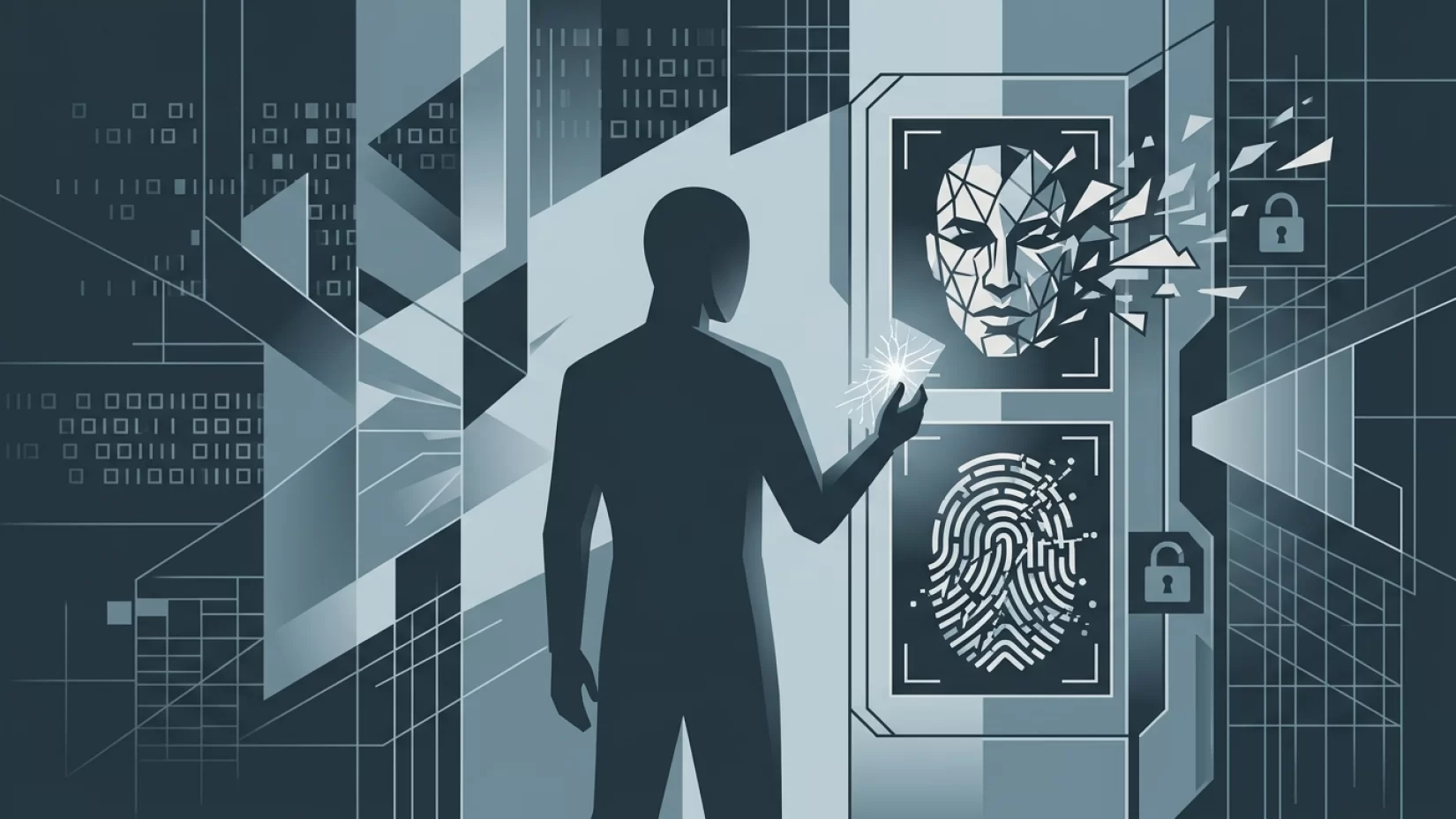
Deepfakes are AI-generated images, videos, or audio files that convincingly mimic real people. In the past, most deepfakes were used for entertainment or misinformation. Now, cybercriminals are using AI to create fake fingerprints and faces that can fool biometric security systems.
Here’s how it works in practice: using stolen or leaked biometric data, attackers feed this information into AI models that generate a synthetic fingerprint or facial image. These fakes are then presented to a biometric scanner — sometimes digitally, sometimes using physical molds or screens — to gain unauthorized access. Malware like GoldPickaxe can even steal your facial biometrics directly from your phone, giving attackers exactly what they need to craft a convincing fake.
The numbers are staggering. In 2023, deepfake face swap attacks on ID verification systems surged by over 700%. AI-based fraud attempts overall rose by nearly 40% in just one year. This isn’t just a few isolated incidents; it’s a global trend affecting millions.
Who’s Actually At Risk? (Hint: It’s Not Just Techies)
If you think this only affects celebrities or high-profile executives, think again. The sheer scale of biometric adoption means anyone using face or fingerprint login for banking apps, government portals, or even some workplace tools is a potential target.
Take the February 2024 case in Vietnam: a citizen lost about $40,000 after cybercriminals used a deepfake to bypass their banking app’s facial recognition. Or consider the finance executive who, in December 2024, authorized a $25 million transfer after being tricked by a deepfake video call impersonating their CFO. While not every attack results in losses this dramatic, the underlying risk is the same for everyone who depends on biometrics for security.
It’s important to understand that you don’t have to be a direct target. Many attacks are opportunistic, using stolen biometric data from leaks or malware campaigns that sweep up thousands of victims at once. If your bank or government agency uses biometric authentication, you’re in the pool of potential victims — especially as these attacks become more automated and scalable.
Why Millions Of Users Never Realize Their Data Was Exposed
Unlike a stolen password, you can’t just reset your fingerprint or get a new face. And most biometric breaches don’t come with warning signs. Attackers may access your account, transfer money, or steal personal data without any obvious indication that your biometrics were involved. Often, the first sign something is wrong is a mysterious transaction or a call from your bank’s fraud department.
Many people assume their face or fingerprint data is stored only on their device. In reality, some banks and government agencies store biometric templates on their servers or in the cloud, making them attractive targets for hackers. If these databases are breached, your biometrics could be copied and reused indefinitely.
Worse, most companies are slow to admit when biometric data is compromised. There’s no universal law requiring them to notify users, and the technical complexity makes it easy for companies to downplay or obscure the risk. This leaves many people exposed without even knowing it.
Common Misconceptions About Biometric Security
- "Biometrics are foolproof." Unfortunately, they’re not. AI-driven attacks have shown that even advanced systems can be tricked, especially when attackers have access to your biometric data.
- "Deepfakes are easy to spot." Today’s AI-generated fingerprints and facial images are sophisticated enough to bypass automated security checks. Most people — and even most security systems — can’t reliably tell the difference.
- "If my biometrics are stolen, I can just change them." Unlike passwords, you can’t change your face or fingerprints. Once compromised, your biometric data is at risk forever.
- "My bank or government agency will always warn me if something goes wrong." Many organizations are slow to detect and report biometric breaches, leaving users in the dark.
What Really Happens When Biometric Security Fails?
Let’s walk through a real-world scenario. Imagine you use your face to unlock your banking app. Through a phishing scam or malware infection, criminals steal your facial biometrics. Using AI, they generate a deepfake that perfectly matches what your bank’s app expects to see. They log in, transfer money, or apply for loans in your name. You might not notice until your balance drops or you get a call about suspicious activity.
The consequences are more than just financial. Victims often feel violated, anxious, and frustrated. The process of proving your identity, disputing fraudulent transactions, and restoring your accounts can be stressful and time-consuming. There’s also a loss of trust — not just in the technology, but in the institutions that promised to keep you safe.
Worse, once your biometric data is out there, it can be reused for future attacks. Unlike a password, you can’t simply change your face or fingerprints. This creates a permanent vulnerability that’s difficult to manage.
Five Steps That Actually Reduce Your Risk
While the situation sounds grim, there are practical steps you can take to protect yourself — and most of them are straightforward.
- Enable Multi-Factor Authentication (MFA)
Don’t rely on biometrics alone. Most banking apps and government services offer MFA, which requires a second step (like a code sent to your phone or email) in addition to your fingerprint or face. This extra layer can stop attackers even if they have your biometric data. - Monitor Your Accounts Regularly
Check your bank statements and account activity often. Look for small, unexplained transactions as well as larger ones. Early detection is key to minimizing damage. - Update Devices and Apps
Keep your phone, banking apps, and operating system updated. Security patches can fix vulnerabilities that malware uses to steal biometric data. - Be Wary of Unsolicited Requests
If you get a call, email, or text asking for personal information or urging you to scan your face or fingerprint, stop and verify. Scammers use social engineering to trick people into handing over biometric data. - Educate Yourself and Others
Stay informed about the latest scams and threats. Talk to family and friends, especially those who may be less tech-savvy, about the risks of biometric spoofing and how to spot suspicious activity.
Are There Safer Alternatives Than Biometrics?
Biometric security isn’t going away, but it’s no longer the gold standard it once was. Password managers, hardware security keys, and app-based authentication codes remain strong alternatives — especially when used together. Some banks now offer the option to disable biometric login entirely, relying instead on strong passwords and MFA. While this may feel less convenient, it can be a smart choice for those at higher risk or anyone feeling uneasy about biometric breaches.
It’s also worth considering the security of the platforms you use. Some companies are more transparent and proactive about biometric risks than others. Don’t be afraid to ask your bank or service provider how they store and protect your biometric data — and push for better answers if you’re not satisfied.
What Companies And Regulators Should Be Doing (But Often Aren’t)
Tech companies and banks have a responsibility to protect users from AI-driven biometric attacks. Too often, though, they’re slow to respond or reluctant to admit vulnerabilities. Many still treat biometrics as a silver bullet, failing to invest in layered security or transparent breach notifications.
Regulators are starting to pay attention, but progress is slow. In the meantime, users are left to navigate these risks largely on their own. It’s not fair — and it’s not sustainable. Pressure from consumers can help push for stronger standards, better transparency, and real consequences for negligence.
Looking Ahead: The Future Of Biometric Security
Biometric authentication isn’t going to disappear, but it’s entering a new era. AI-driven attacks have exposed serious weaknesses, and the industry is scrambling to catch up. In the coming years, expect to see new technologies that combine biometrics with behavioral data (like how you type or move your device), as well as stronger forms of multi-factor authentication.
For now, the best defense is awareness and layered security. Don’t assume your face or fingerprint is enough to protect your most sensitive accounts. Take the steps outlined above, stay vigilant, and demand better from the companies and services you trust with your identity.
Final Thoughts: Confidence Without Complacency
It’s easy to feel overwhelmed by stories of AI-generated biometric attacks, but panic doesn’t help anyone. The real takeaway is that security is always evolving — and so are the threats. By understanding what’s happening and taking practical steps to protect yourself, you can stay a step ahead. Biometric security isn’t broken, but it’s no longer invincible. Treat it as one tool among many, not your only line of defense.
Stay alert, stay informed, and don’t be afraid to ask hard questions of the companies that hold your data. Your money, your identity, and your peace of mind are worth it.