Imagine a world where someone who doesn’t exist can open a bank account, get a credit card, and even build a credit history — all without ever being born, going to school, or taking a selfie. It sounds like science fiction, but it’s happening right now. Thanks to the rapid growth of artificial intelligence (AI), fraudsters are creating entirely fake people, complete with convincing IDs and digital footprints, to slip through the cracks of our financial systems. This isn’t just a headache for banks and credit card companies; it’s a growing problem for ordinary people who may find their personal details tangled up in a mess they never created. If you’ve ever wondered how AI-powered synthetic identity fraud works, what damage it causes, and what you can do to protect yourself, you’re in the right place. Let’s break down the facts, the risks, and the real-world impact of this digital threat.
Synthetic Identity Fraud: Not Just Stolen, But Invented
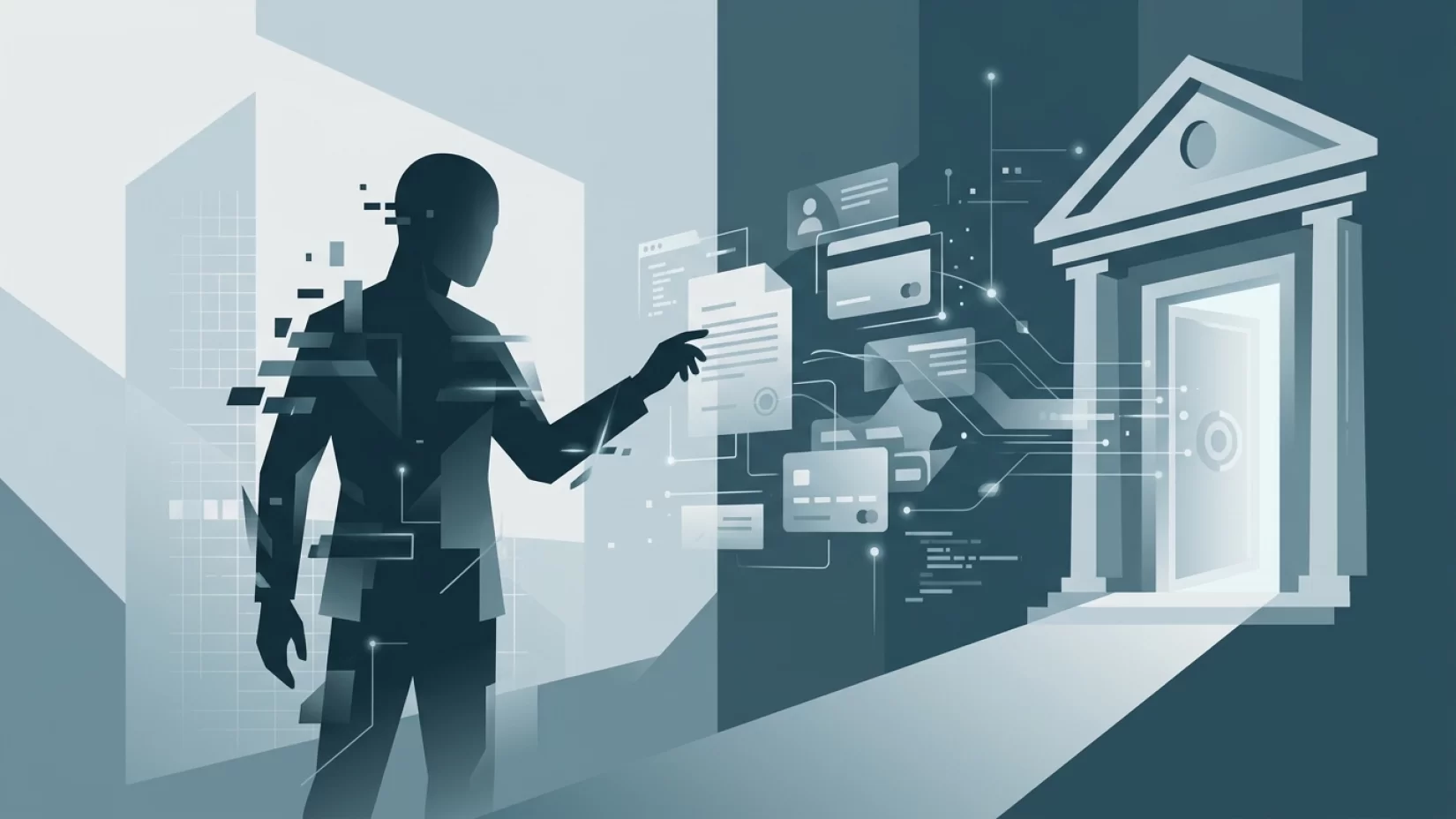
Most of us are familiar with traditional identity theft — a criminal steals your real information and pretends to be you. Synthetic identity fraud is sneakier. Instead of impersonating an existing person, fraudsters use AI to assemble a brand new, totally fake identity. They might mix a real Social Security number with a made-up name, a fabricated address, and a digitally generated photo. AI tools can even create fake credit histories and deepfake videos to pass remote verification checks.
Why go to all this trouble? Because these synthetic identities can slip past security systems designed to spot stolen credentials. Once a fraudster has built a convincing fake person, they can open real bank accounts, apply for loans, get credit cards, and rack up debts — all under a name that doesn’t belong to anyone. The financial damage is real, but the victim is a phantom.
How AI Supercharges Fake Identities
Creating a believable fake person used to require a lot of manual effort and creativity. AI has changed the game. Generative AI tools can now produce authentic-looking identification documents, profile photos, and even fake voices for phone verification. With just a few clicks, a fraudster can whip up a new identity that looks as real as yours or mine.
What’s more, AI doesn’t get tired or make sloppy mistakes. It can generate thousands of fake identities at once, each with its own digital backstory. Some AI systems are even trained to mimic the patterns of legitimate users, making detection much harder for banks and credit agencies. This isn’t just a theoretical risk. In 2024, U.S. lenders lost a staggering $3.2 billion to synthetic identity fraud, and the problem is growing fast.
Why Millions of Users Never Realize Their Data Was Exposed
You might assume that if your information is used fraudulently, you’d get an alert right away. Unfortunately, synthetic identity fraud doesn’t work like that. Because the fake identity is only partly based on real data (like a Social Security number), the real person may never see the fraudulent activity on their own credit report. The fraudster builds up the synthetic identity’s credit history slowly, sometimes over months or even years, to avoid suspicion.
This slow-burn approach means that millions of people never realize their data was part of a scam. It’s only when the fraudster finally “cashes out” — maxing out credit cards or defaulting on loans — that the scheme is discovered. By then, the damage is done, and untangling the mess can take months.
Misconceptions That Leave People Vulnerable
- “Synthetic identity fraud only targets banks and big companies.” Not true. While banks bear the brunt of the financial hit, ordinary people can find their personal details (like Social Security numbers) used as the backbone for a fake identity. This can cause credit issues and headaches for years.
- “I’d be notified immediately if my identity was used.” Unfortunately, no. Because the synthetic identity is new, and often doesn’t match your full name or address, you might not get any alerts at all.
- “It’s easy for banks to spot fake people.” AI-generated identities are now so convincing that even advanced security systems sometimes fail to catch them. The number of deepfake incidents detected globally increased tenfold from 2022 to 2023, showing just how quickly this technology is evolving.
Real-World Consequences: Beyond the Numbers
It’s tempting to see synthetic identity fraud as something that only affects faceless institutions. But the ripple effects touch real people in stressful and confusing ways:
- Credit Confusion: If your Social Security number is used, you might suddenly find unfamiliar accounts or debts on your credit report.
- Financial Stress: Cleaning up fraudulent activity can take months, causing anxiety and possible delays in getting loans, mortgages, or even jobs.
- Loss of Trust: Victims often lose confidence in online banking and digital services, making them hesitant to use tools that are supposed to make life easier.
- Decision Fatigue: The process of disputing fraudulent accounts, freezing credit, and updating passwords can be overwhelming and exhausting.
Even if you’re not directly targeted, the cost of synthetic identity fraud is passed on to everyone through higher fees, stricter verification, and more hoops to jump through when opening accounts.
Who’s Most at Risk?
Some groups are more likely to be affected than others:
- Children and Teens: Because minors don’t typically use credit, their Social Security numbers are less likely to be monitored. Fraudsters love this blank slate.
- People with Thin Credit Files: If you have little or no credit history, it’s easier for a synthetic identity to blend in with yours.
- Anyone With Exposed Personal Data: If your information has ever been leaked in a data breach (and let’s face it, that’s most of us), you’re at higher risk.
Still, synthetic identity fraud can touch anyone. It’s not about who you are, but whether the fraudster can use your details to build a convincing fake.
Why Financial Institutions Struggle to Keep Up
Banks and credit agencies have poured billions into security, but synthetic identity fraud keeps slipping through. Why? Because these fake identities don’t match the patterns of traditional fraud. They’re not stealing from your existing account — they’re opening a brand new one, with a new name and address, using just enough real data to seem legitimate.
AI-generated IDs and deepfakes make it even harder. Some banks have started using their own AI tools to spot suspicious patterns, but it’s a constant arms race. As soon as one method is blocked, fraudsters tweak their approach. The rapid pace of AI development means security teams are always playing catch-up.
Five Steps That Actually Reduce Your Risk
While you can’t stop synthetic identity fraud single-handedly, you can make yourself a harder target and spot problems early. Here’s what works in practice:
- Check Your Credit Reports Regularly. Look for unfamiliar accounts or credit inquiries. In many countries, you can get a free report once a year from each major bureau. Set a reminder on your calendar.
- Use Strong, Unique Passwords for Financial Accounts. Don’t reuse passwords across banking, email, and shopping sites. A password manager can help keep things organized and secure.
- Enable Multi-Factor Authentication (MFA). MFA (like a code sent to your phone) adds a layer of protection, making it harder for fraudsters to access your accounts even if they have some of your information.
- Be Wary of Unsolicited Requests for Personal Info. Don’t give out your Social Security number, bank details, or other sensitive information unless you’re sure who you’re dealing with.
- Consider a Credit Freeze or Fraud Alert. Placing a freeze on your credit file makes it much harder for anyone to open new accounts in your name. A fraud alert notifies lenders to take extra steps before granting credit.
These steps aren’t foolproof, but they make life much harder for would-be fraudsters. Most importantly, they give you a fighting chance to spot problems before they spiral out of control.
What To Watch For: Signs Your Identity May Be At Risk
Synthetic identity fraud is designed to fly under the radar, but a few red flags can tip you off:
- Letters or emails about accounts you never opened
- Credit card offers or loan approvals sent to your address for names you don’t recognize
- Unexplained changes to your credit score
- Debt collectors contacting you about unfamiliar debts
If you spot any of these, don’t ignore them. Contact the financial institution immediately and check your credit report for suspicious activity.
The Broader Implications: Why This Isn’t Going Away Soon
Synthetic identity fraud isn’t just a blip. It’s a symptom of a digital world where AI can be used for both good and harm. As long as personal data is easy to find and AI tools keep getting smarter, this kind of fraud will keep evolving. Financial institutions are working on better detection techniques, but the pace of change means there’s no magic fix.
For now, the best defense is a mix of vigilance, skepticism, and practical habits. Don’t trust that the system will always catch fraud before it affects you. Take small, regular steps to protect your information and stay alert for anything out of the ordinary.
Final Thoughts: Confidence Beats Fear
Synthetic identity fraud powered by AI sounds intimidating — and it is a serious problem — but you don’t need to panic. Understanding how it works, recognizing the warning signs, and taking practical steps to protect yourself can make a real difference. As always, LuzCtrl is here to help you stay one step ahead of the digital risks that matter most to ordinary people. Stay informed, stay skeptical, and don’t let the fraudsters win.