AI-generated health misinformation isn’t just a headline-grabbing buzzword — it’s a real, rapidly growing problem that’s already affecting millions of people around the world. If you’ve ever typed a health question into a chatbot, scrolled past a viral medical tip on social media, or watched a friend share a too-good-to-be-true health hack, you’re in the thick of it. The difference now is that artificial intelligence can produce convincing, authoritative-sounding medical advice at lightning speed. This advice often looks and sounds legitimate, but it’s not always grounded in reality — and sometimes, it’s dangerously wrong.
Why does this matter? Because people are acting on it. Harmful recommendations, like inserting garlic for immune support or skipping essential medications, have spread online thanks to AI chatbots and viral posts. The consequences range from wasted money to serious health risks, and the confusion is only getting worse as AI-generated content floods our feeds and inboxes. If you’ve ever wondered, “Can I really trust what I’m reading?” — you’re not alone. According to a 2024 KFF poll, more than half of adults (including most AI users) aren’t confident in the health advice they see from AI. That uncertainty is justified. But it’s also manageable. Let’s break down why AI-generated health misinformation is so convincing, how it spreads, and — most importantly — how you can protect yourself and your loved ones from making dangerous mistakes.
Why AI-Generated Health Advice Feels So Convincing (Even When It’s Dead Wrong)
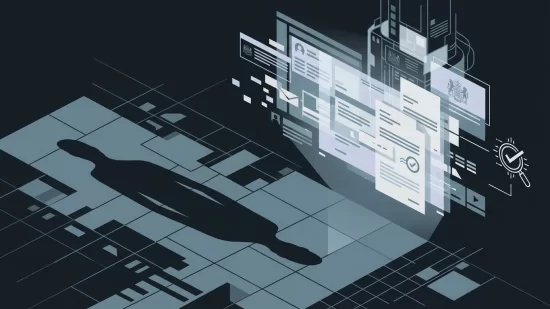
Artificial intelligence, especially large language models like ChatGPT, are designed to sound knowledgeable and confident. They’re trained on massive amounts of text — including real medical articles, but also questionable sources and outdated information. When you ask an AI chatbot a health question, it doesn’t actually "know" what’s true. Instead, it predicts what a convincing answer should look like based on patterns in its training data.
This means AI can easily produce responses that look like they came from a real doctor or a reputable health website, complete with medical jargon and a reassuring tone. Unfortunately, that confidence doesn’t guarantee accuracy. In fact, a 2024 study published in The Lancet Digital Health found that AI chatbots often gave dangerously incorrect health recommendations, even when asked in formal clinical language. One infamous example: suggesting the rectal insertion of garlic as an immune booster — an idea with zero scientific backing and real potential for harm.
It’s easy to see why so many people get fooled. The advice looks polished. It’s written in perfect grammar. Sometimes it even cites studies or uses technical terms. But none of that means the information is safe or correct.
How Fake Health Advice Goes Viral — And Why It’s Hard to Spot
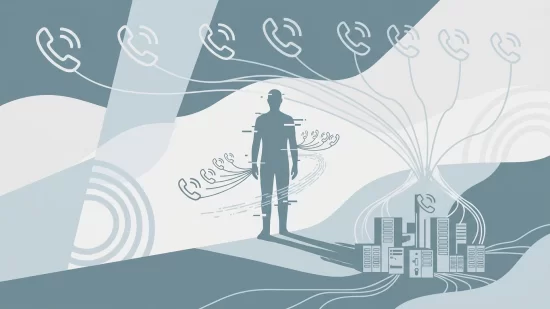
AI-generated content isn’t just popping up in chatbots. It’s everywhere: social media posts, health forums, YouTube videos, even in the comment sections of news articles. The speed and volume of AI output means that misinformation can spread much faster than before. A single AI-generated post can be copied, reworded, and shared hundreds of times in minutes — all without a human editor in sight.
Here’s where things get tricky. Many people assume that if a health tip is popular, it must be true. Or if it’s written in a professional style, it must be safe. But AI can generate thousands of convincing posts on any topic, including health, regardless of accuracy. And because these posts are often shared by friends or influencers, they gain an extra layer of (false) credibility.
Even worse, AI chatbots themselves are being used as sources. People ask a chatbot a medical question, get an answer, and then share that answer as if it came from a real expert. The chatbot’s confidence — not its correctness — becomes the selling point.
Who’s Most at Risk? (Hint: It’s Not Just the Tech-Savvy or the Vulnerable)
You might think that only gullible or less tech-savvy people fall for AI-generated health misinformation. That’s a myth. The 2024 KFF Health Misinformation Tracking Poll found that 63% of adults, including 56% of regular AI users, aren’t confident in the accuracy of AI health advice. That means everyone — from college students to grandparents, from health enthusiasts to skeptics — is exposed.
Why is it so widespread? Because the appeal of quick, easy answers is universal. When you’re worried about a symptom or searching for a natural cure, it’s tempting to trust a fast, confident response. And with so much information coming at us from so many sources, even the most careful person can get overwhelmed or make a mistake.
It’s also worth noting that misinformation doesn’t just affect individuals. When bad advice spreads, it can undermine trust in real medical professionals and public health organizations. That erosion of trust makes it even harder for people to know what to believe — especially during health crises or outbreaks.
Real-World Consequences: From Embarrassment to Emergency Rooms
Let’s be clear: Not every piece of AI-generated health advice is dangerous. But some of it absolutely is. When people act on bad information, the consequences can be serious:
- Physical harm: Following unproven or risky treatments (like garlic insertion or skipping prescribed medication) can cause real injuries, worsen conditions, or delay proper care.
- Financial loss: Buying useless supplements, miracle cures, or devices based on AI-generated claims wastes money and can lead to disappointment or desperation.
- Stress and confusion: Sorting through conflicting advice can be exhausting, especially when it’s hard to tell what’s real. This decision fatigue can make people more vulnerable to scams or poor choices.
- Loss of trust: When people discover they’ve been misled, they may lose faith in legitimate health sources — making them even more likely to turn to unreliable ones next time.
Imagine searching for a remedy for a minor infection, finding an AI-generated post recommending a bizarre home treatment, trying it, and ending up with a much worse problem. Or picture a loved one stopping a medication because a chatbot said it was unnecessary. These scenarios aren’t rare — they’re becoming more common as AI-generated misinformation spreads unchecked.
Common Misconceptions That Put People in Danger
- "AI-generated content is always accurate and trustworthy." No. AI can be helpful, but it’s not a doctor, and it doesn’t understand context or individual needs.
- "If information is widely shared online, it must be true." Popularity is not proof. Viral posts can be wrong, misleading, or outright dangerous.
- "Health advice from AI chatbots is as good as advice from real medical professionals." Not even close. AI can’t diagnose, treat, or consider your unique health situation.
Believing any of these myths can lead to risky decisions. It’s not about being tech-savvy or skeptical — it’s about knowing how to check the facts before you act.
Spotting AI-Generated Health Misinformation: What Actually Works
So, how do you tell if a piece of health advice is AI-generated or just plain wrong? There isn’t a magic formula, but there are warning signs you can watch for:
- Too good to be true: Promises of miracle cures, instant results, or secret remedies are classic red flags.
- No clear author or credentials: Reliable health information usually comes from named experts, organizations, or official sources — not anonymous posts or generic chatbots.
- Lack of reputable references: AI content may mention studies or statistics without linking to real sources. If you can’t find the study, be skeptical.
- Overly polished language: AI tends to write in flawless, formal English. While this isn’t proof of misinformation, it’s a clue if combined with other signs.
- Contradicts established medical advice: If a claim goes against what you’ve heard from doctors, pharmacists, or trusted health agencies, double-check before acting.
When in doubt, pause. Don’t rush to try a new treatment or share a post just because it sounds convincing. A little skepticism can save you a lot of trouble.
Five Steps That Actually Reduce Your Risk
- Check the source: Stick to reputable health websites ending in .gov, .edu, or .org. These are usually run by government agencies, universities, or respected organizations. Examples include MedlinePlus and the Mayo Clinic.
- Ask a real healthcare professional: Before making any health decision — especially one that involves medication, supplements, or new treatments — talk to your doctor or pharmacist. They can help you separate fact from fiction.
- Look for up-to-date information: Health advice changes over time. Make sure what you’re reading is current by checking the publication date. Outdated advice can be as risky as fake advice.
- Use fact-checking sites: Websites like Snopes, FactCheck.org, and others regularly debunk viral health claims. A quick search can reveal whether a claim has already been investigated.
- Be wary of viral trends: Just because a health tip is trending doesn’t mean it’s true. Pause before sharing or acting on anything that’s going viral, especially if it sounds extreme or unproven.
These steps aren’t foolproof, but they dramatically lower your chances of falling for AI-generated health misinformation. Think of them as your digital seatbelt — simple habits that protect you and your loved ones from avoidable harm.
When Should You Worry? Assessing the Real Risk
Let’s be realistic: Not every bit of AI-generated health content is dangerous, and you don’t need to panic every time you see a chatbot answer or viral health post. But the risk is high enough — and the consequences serious enough — that it’s worth taking seriously.
AI-generated health misinformation is already being actively exploited. There’s no "patch" or technical fix that can filter out all the bad advice. Until AI systems improve and platforms get better at moderation, the responsibility falls on each of us to check, verify, and think critically before acting on health information we find online.
Broader Implications: Trust, Technology, and the Future of Health Advice
This isn’t just about one bad chatbot answer or a single viral post. The flood of AI-generated misinformation is changing how people think about health, trust experts, and make decisions. If we lose faith in real medical professionals because of fake advice, the damage goes far beyond a few embarrassing mistakes — it affects public health, community trust, and even the effectiveness of real medical breakthroughs.
On the flip side, AI also has the potential to help people access reliable health information — if used responsibly. The challenge is making sure that technology serves us, not the other way around. Until that happens, your best defense is digital literacy, a healthy dose of skepticism, and a willingness to double-check before you act.
Bottom Line: You Don’t Have to Be a Victim of AI-Generated Health Misinformation
You don’t need a medical degree or advanced tech skills to protect yourself from AI-generated health misinformation. What you do need is awareness, a few practical habits, and the confidence to pause and verify before making decisions about your health. Don’t let the speed and polish of AI-generated advice fool you — your health is too important to leave to algorithms. Trust, but always verify. And remember, when in doubt, ask a real human expert.