Food safety is something most of us take for granted. We trust that the groceries we buy are safe to eat, and if something goes wrong, we count on clear warnings and recalls to protect us. But what happens when the warnings themselves become unreliable? In 2023 and 2024, a new problem has been quietly growing: artificial intelligence (AI) is being used to generate fake food safety alerts and product recall warnings, which then spread like wildfire across social media and messaging apps. These fake alerts can look shockingly real, and they often get shared far more quickly than any correction or official statement. The result? Confusion, wasted food, unnecessary worry, and sometimes even financial loss. If you’ve ever wondered whether a scary warning you saw online was real or just another bit of viral misinformation, you’re not alone—and you’re right to be cautious. Let’s break down what’s really happening, why it matters, and how you can protect yourself (and your pantry) from AI-driven food recall hoaxes.
Why Are Fake Food Safety Alerts Suddenly Everywhere?
It’s tempting to blame social media for everything, but the recent explosion of fake food and product recall warnings has a new culprit: AI-powered content generators. These tools can pump out convincing official-sounding alerts in seconds, complete with logos, urgent language, and even fake batch numbers. All it takes is one person (or bot) to post a made-up warning on Facebook, Twitter, Instagram, or a messaging app like WhatsApp, and suddenly thousands—or millions—of people are seeing it, sharing it, and reacting to it.
Actual food recalls are on the rise too. In 2023, the U.S. saw 313 food recalls, an 8% jump from the previous year and the highest number since before the pandemic. Real incidents—like the lead-contaminated WanaBana Apple Cinnamon Fruit Puree or Trader Joe’s dumplings with bits of plastic—grab headlines and make us all more alert. But that heightened awareness also makes it easier for fake warnings to slip through. AI-generated alerts ride the wave of genuine concern, making them even more believable.
What Do These Fake Warnings Look Like?
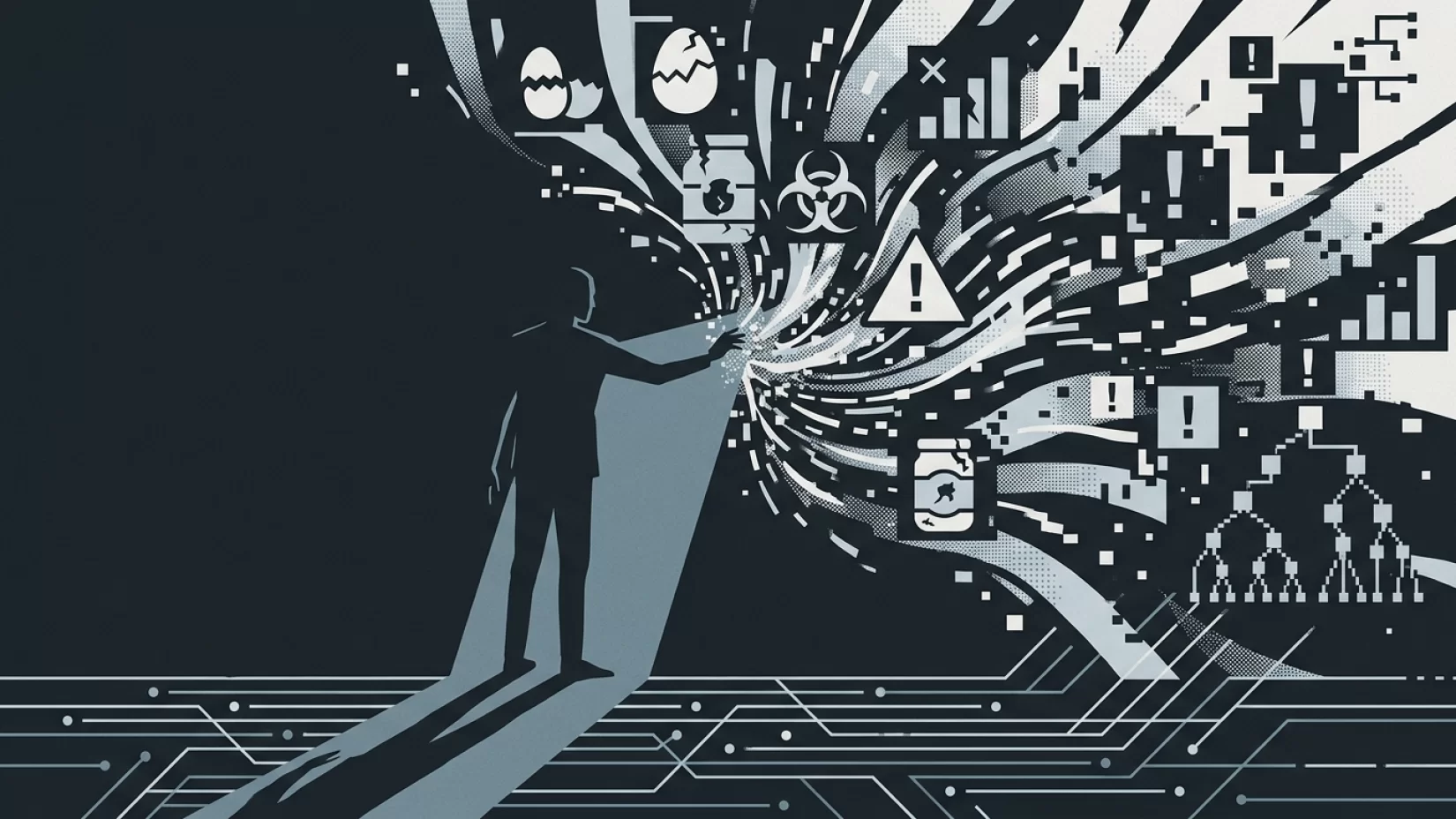
AI-generated product recall hoaxes tend to follow a pattern. They use urgent, alarming language (“IMMEDIATE RECALL,” “DEADLY CONTAMINATION,” “DO NOT CONSUME”), often include what looks like an official agency logo, and sometimes list popular brands or products. Some even go so far as to invent batch numbers or expiration dates, making the warning seem more specific and legitimate.
For example, you might see a viral post warning that a certain brand of peanut butter is contaminated with glass shards, complete with a fake FDA statement and a photo of the product. Or a message in your family group chat claims that a popular candy has been recalled for containing a dangerous chemical, urging everyone to check their cupboards. These messages are designed to provoke a quick, emotional reaction—panic, disgust, or the urge to protect loved ones—before you have time to check if they’re real.
Why Do People Fall for AI-Generated Food Recalls?
There’s no shame in being fooled by a realistic-looking alert. These warnings are engineered to bypass our usual skepticism. When it comes to food safety, most people would rather be safe than sorry. Plus, we’re used to seeing real recalls in the news—like the WanaBana fruit puree incident or the Trader Joe’s dumpling recall—so a warning about another product doesn’t feel out of place.
AI makes things worse by removing many of the old red flags. Bad grammar, weird formatting, or obviously fake details used to give away hoaxes. Now, AI tools can mimic official language and style almost perfectly. And when friends or family members share a warning, it feels more trustworthy, even if it’s completely made up.
Why Millions of Users Never Realize Their Data Was Exposed
Most people don’t have the time or resources to verify every warning they see online. Social media moves fast, and so do our group chats. By the time an official correction is posted—or the FDA or USDA issues a statement debunking a fake alert—the original misinformation has already spread far and wide. In many cases, people throw away perfectly safe food, warn others, or even change their shopping habits based on a false alert. Meanwhile, the companies and agencies responsible for real recalls are left playing catch-up, trying to correct the record after the damage is done.
The Real-World Consequences: Wasted Food, Wasted Money, and Unnecessary Stress
Let’s talk about what actually happens when fake food safety alerts go viral. For starters, people throw away food that’s perfectly safe. If you see a warning that your favorite yogurt has been recalled for contamination, you’re probably not going to risk it—even if the warning turns out to be fake. That leads to wasted food and wasted money, especially during times when grocery prices are high.
Beyond the financial impact, there’s the stress and confusion these hoaxes cause. Imagine the anxiety of thinking you or your family might have eaten something dangerous, only to find out later it was all a false alarm. Or the embarrassment of passing along a fake warning to friends, only to be corrected afterward. Over time, this constant uncertainty can erode trust in real recalls and official guidance, making it harder for public health agencies to do their jobs.
And let’s not forget: sometimes, fake alerts distract from real dangers. If everyone is busy worrying about a made-up recall, they might miss or ignore genuine, urgent warnings—putting health at risk for the wrong reasons.
Common Misconceptions About Food Recalls and AI Warnings
- "All food safety alerts on social media are accurate." Sadly, this is no longer true. Social media is full of both real and fake warnings. Treat every alert as a starting point for further checking, not a final verdict.
- "If a product is recalled, it’s always unsafe to eat." Not necessarily. Sometimes recalls are issued out of caution, and the actual risk may be very low. Always check the details from official sources.
- "AI-generated warnings are always false." While many fake alerts are now AI-generated, not all AI content is bad. The problem is that AI makes it much easier for bad actors to create convincing fakes at scale.
Spotting a Fake: Signs That a Food Recall Warning Might Be AI-Generated
- Overly dramatic language or ALL CAPS headlines. Real agencies stick to clear, factual statements.
- No link to an official source. Genuine recalls are always posted on agency websites (like the FDA or USDA in the U.S.).
- Strange logos or formatting. AI sometimes gets small details wrong, like slightly altered agency logos or odd layouts.
- Too-specific batch numbers or dates that don’t match anything online.
- Shared mainly in private group chats or viral social media posts, not reported by major news outlets.
- Pressure to share immediately or warn others. Urgency is a classic sign of misinformation.
When in doubt, pause. A few minutes of checking can save you from unnecessary worry or waste.
Five Steps That Actually Reduce Your Risk
- Always verify with official sources. In the U.S., check the FDA (Food and Drug Administration) or USDA (U.S. Department of Agriculture) recall pages. Other countries have similar agencies. Don’t rely on screenshots or forwarded messages.
- Use reputable recall tracking tools. Apps and websites like AisleBrief or RecallScope aggregate official recall information and make it searchable by product or brand. Bookmark them for quick reference.
- Be skeptical of viral posts. If you see a warning spreading rapidly on social media, especially with lots of emotional language, double-check before acting or sharing.
- Don’t let urgency override caution. Real recalls are important, but you rarely need to act within seconds. Take time to confirm before tossing food or alerting others.
- Educate friends and family. If someone shares a suspicious warning, gently encourage them to verify first. Share links to official recall pages, not just headlines.
What Companies and Platforms Should Be Doing—But Often Aren’t
It’s frustrating that much of the burden for spotting fake alerts falls on ordinary people. Social media companies and messaging platforms have been slow to address the problem. Automated content moderation often misses AI-generated hoaxes, and corrections rarely spread as far as the original misinformation. Meanwhile, some food companies are slow to issue clear public statements, leaving consumers in the dark.
At LuzCtrl, we believe these platforms and companies have a responsibility to do better. Faster fact-checking, clearer recall communication, and smarter detection of AI-generated fakes should be the norm—not the exception. Until then, your best defense is your own vigilance and a healthy dose of skepticism toward viral warnings.
Broader Implications: Trust, Technology, and the Future of Food Safety
The rise of AI-generated misinformation is a wake-up call for everyone who relies on digital information—which, let’s be honest, is all of us. When anything can be faked in seconds, trust becomes a precious commodity. That doesn’t mean you should ignore all warnings or become cynical. It just means that a little extra care and verification goes a long way.
Food safety is too important to leave to chance—or to the whims of viral AI hoaxes. By learning how to check and verify, you’re not just protecting your own household. You’re helping to keep your community informed, calm, and focused on real risks, not imaginary ones.
Final Thoughts: Confidence Over Panic
It’s easy to feel overwhelmed by the flood of information (and misinformation) online. But you don’t need to be a digital security expert to stay safe. Remember: not every scary headline is true, and not every recall means your food is dangerous. With a few simple habits—verifying with official sources, using reputable tools, and approaching viral posts with a critical eye—you can cut through the noise and protect yourself from AI-generated food safety hoaxes. Stay curious, stay cautious, and don’t let fear make your decisions for you.