Have you ever received a message that seemed a little too personal—maybe it mentioned your recent vacation, a family member, or even a pet’s name? Did it come from a friend, or at least someone who seemed to know you well? If you felt a chill reading it, you’re not alone. Scammers are now using artificial intelligence (AI) to scan your public social media posts and craft scam messages so convincing, you’d swear they were written by someone who knows you personally. These aren’t the clumsy, generic phishing emails of the past. They’re tailored, targeted, and dangerously effective. Understanding how these scams work—and how to spot them—has never been more important.
AI Isn’t Just for Tech Companies Anymore—It’s in the Hands of Scammers
It used to be that only large tech companies or researchers had access to advanced AI tools. That’s changed. Today, cybercriminals can use affordable or even free AI programs to analyze public information from your Facebook, Instagram, LinkedIn, or any other social media account. They don’t need to hack you. They just need what you’ve already shared with the world.
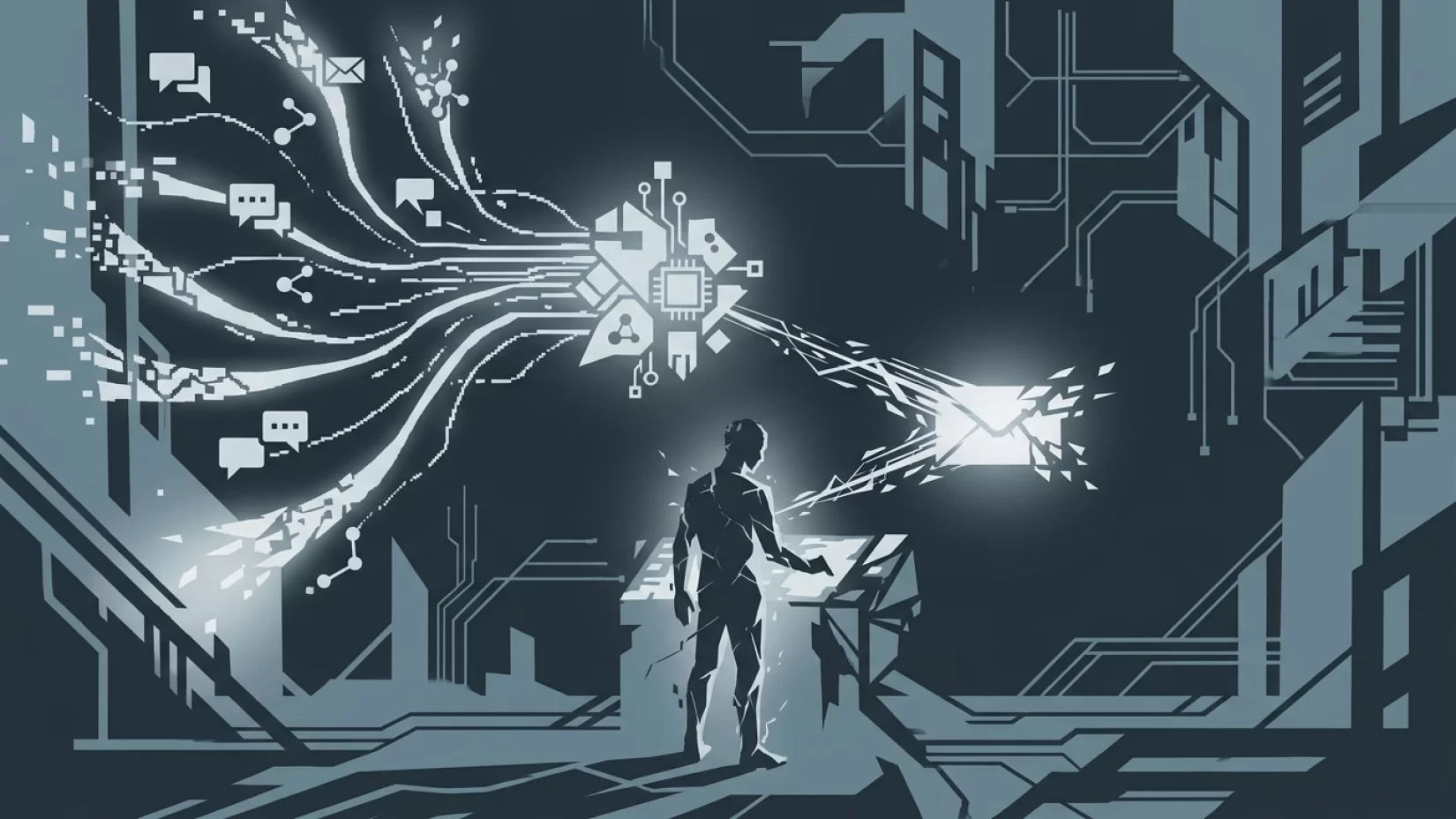
Here’s what’s different: AI can read through thousands of your posts, comments, likes, and photos in seconds. It picks out names, places, events, hobbies, and even the language you use. Then, it assembles scam messages that sound like they’re written just for you. This process is called AI-driven spear phishing—a step up from traditional phishing (mass, generic scam messages) because it’s highly personalized and much more believable.
What Makes These AI-Generated Scam Messages So Dangerous?
Personalization is the secret weapon. When a message references your recent move, your child’s name, or an event you attended, it lowers your guard. You’re more likely to trust it, click a link, or respond—exactly what scammers want.
Recent research shows AI-generated phishing emails are not only more personalized, but also more contextually accurate than old-school scams. Instead of a suspicious email from a foreign prince, you might get a WhatsApp message from someone who appears to be your boss, referencing a real project you posted about on LinkedIn. Or a text from a “friend” mentioning your favorite band, asking you to check out a link to new tour dates. The details make these scams convincing.
Real-World Consequences: When AI Scams Get Personal
This isn’t hypothetical. In August 2026, a man in Hong Kong lost the equivalent of over $1.2 million after scammers used AI to impersonate his father’s voice on WhatsApp. The AI-generated message included personal details only a close family member would know. The victim, understandably, believed it was truly his father and transferred the money. This is just one example among thousands. The FBI has also warned about AI-generated virtual kidnapping scams, where criminals use deepfake technology (AI-created fake images, videos, or voices) to create convincing messages from loved ones demanding ransom.
These attacks aren’t limited to celebrities or wealthy individuals. Anyone with a public online presence—meaning almost everyone who uses social media—is a potential target. The emotional impact can be severe: stress, embarrassment, and a lasting sense of violation. Financial loss and identity theft are real risks, but so is the erosion of trust in your digital relationships.
Why Millions of Users Never Realize Their Data Was Exposed
Most people don’t think twice about what they share online. Birthday photos, job updates, travel plans, and even minor complaints about daily life—all of this information is public by default on many platforms. Even if you use privacy settings, friends or family might tag you in posts that are visible to everyone. AI doesn’t care about privacy settings; it looks for any scrap of information it can find, even from comments or old profile pictures.
Many users believe they’re safe because they haven’t been directly hacked or because they avoid suspicious-looking emails. In reality, if you’ve ever posted publicly online, you’ve already given scammers the raw material they need.
Misconceptions That Put You at Greater Risk
- "AI scams are only a problem for businesses." Not true. While companies are targeted, individual users are often easier prey because they’re less prepared and less skeptical of personal messages.
- "I can trust messages from people I know." Sadly, not always. Scammers can impersonate friends, family, or colleagues using AI-generated text, images, or even voice. Just because a message sounds familiar doesn’t mean it’s safe.
- "AI-generated scams are easy to spot." This used to be true. Today’s AI is good—sometimes frighteningly so—at mimicking writing styles and personalities. Mistakes are rare, and the details are often spot-on.
What an AI-Personalized Scam Looks Like in Real Life
Let’s break down a realistic scenario. Imagine you post about your dog’s birthday on Instagram. A few days later, you receive a message from a "friend" (maybe a hacked account or a new profile with your mutual friend’s photo) saying:
“Hey! Saw you celebrated Max’s birthday—so cute! By the way, I found this hilarious video of a dog that looks just like him. Thought you’d enjoy it: [link]”
Because it references your dog by name and recent event, you’re more likely to trust the link. But clicking it could install malware (malicious software) on your device or take you to a fake login page designed to steal your password.
This isn’t imagination—these tactics are being used right now. AI can generate dozens of these personalized messages in seconds, each tailored to a specific target.
Signs That a Message Might Be an AI-Driven Scam
- Unusual timing: Messages that arrive out of the blue, especially if you haven’t spoken to the sender in a while.
- Odd requests: Asking for money, gift cards, personal info, or urgent help—especially if it’s out of character for the sender.
- Too much detail: References to recent events, locations, or inside jokes that are public but not deeply personal. Scammers often use just enough detail to sound convincing but may get the tone or context slightly wrong.
- Links or attachments: Any unsolicited link or file, even from someone you know, should be treated with suspicion.
- Requests to move conversations: Scammers often try to switch you to a less secure platform (like WhatsApp or SMS) to avoid detection by social media companies.
Five Steps That Actually Reduce Your Risk
- Limit what you share publicly. Review your social media privacy settings. Think twice before posting details about your family, travel plans, or personal milestones. Remember: every public post is potential ammunition for scammers.
- Enable two-factor authentication (2FA) everywhere. This adds an extra layer of security to your accounts, making it harder for scammers to take over even if they know your password.
- Be skeptical of unexpected messages—even from people you know. If a message seems odd, verify it through another channel. Call or text the person directly, or ask a question only they would know.
- Use strong, unique passwords for every account. Password managers can help you keep track. Avoid reusing passwords, especially for email and banking.
- Educate yourself and your loved ones. Talk about these scams with friends and family, especially anyone who might be less tech-savvy. The more people know, the harder it is for scammers to succeed.
Are There Tools That Can Help?
A few email services and social media platforms are starting to use AI to detect suspicious messages. Some browser extensions and security apps can flag likely phishing attempts, but none are foolproof. The best defense is still human skepticism and good security habits.
If you suspect a message is a scam, report it to the platform. This helps others and can lead to faster detection and removal of malicious accounts.
The Broader Picture: Technology’s Double-Edged Sword
AI isn’t inherently good or bad—it’s a tool. But as criminals become more sophisticated, everyone needs to step up their digital self-defense. Social media companies have a responsibility to make privacy settings clearer and default to safer options, but too often, they prioritize engagement over security. We all need to demand better from the platforms we use and be mindful of the footprints we leave online.
Staying informed and cautious doesn’t mean living in fear. It means taking back control. By understanding how AI-driven scams work and recognizing the signs, you can stay one step ahead of the criminals—and help protect your friends and family, too.
Final Thoughts: Confidence, Not Fear
AI-personalized scams are a real and growing threat, but they’re not unbeatable. With a little awareness and some practical steps, you can dramatically lower your risk. Remember: you don’t need to be a tech expert to stay safe. You just need to be a little more skeptical, a little more private, and a lot more aware of what you share online. If something feels off, trust your instincts—and double-check before you click.
Risk Level: High