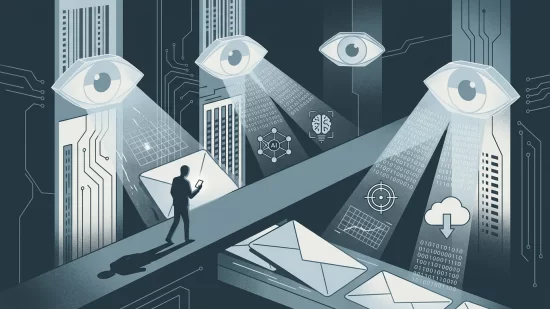
Most people know their bank keeps a record of their transactions. But very few realize that credit reference agencies—like Experian, Equifax, and TransUnion—hold far more detailed files about your financial life. These files don’t just influence whether you get a loan. They can affect your ability to rent an apartment, land a job, or even set up a new phone contract. And unlike your bank statements, you don’t see these files unless you ask. The consequences of not knowing what’s in your credit report can be stressful and expensive, especially if there are errors or signs of identity theft lurking in the background. With data breaches on the rise—TransUnion’s 2025 breach affected over 4.4 million people—regularly checking your credit report isn’t just smart, it’s essential. Let’s break down what these agencies know, how to see your own file for free, and what to do if you spot a problem.
What Do Credit Reference Agencies Actually Know About You?
Credit reference agencies (sometimes called credit bureaus) are the silent librarians of your financial history. Experian, Equifax, and TransUnion gather information from a wide range of sources, not just your bank. Here’s what typically ends up in your file:
- Personal details: Name, date of birth, current and previous addresses, Social Security number.
- Credit accounts: Credit cards, loans, mortgages, store cards—even if you closed them years ago.
- Payment history: On-time payments, late payments, missed payments, defaults.
- Public records: Bankruptcies, court judgments, liens, and sometimes even child support obligations.
- Credit inquiries: Every time someone checks your credit—whether you’re applying for a car loan or a new cell phone plan—it’s recorded.
- Collections: Debts sent to collection agencies, even if they’re eventually paid off.
- Other data: Some agencies collect utility and telecom payment data, rental history, and even certain types of employment information.
It’s a lot. Sometimes, your bank only sees a slice of this information. But the credit agencies see the full picture, and so do the companies that check your file.
Who Looks At Your Credit File—And Why It Matters
You might assume only banks or credit card companies care about your credit report. Not true. Landlords, employers (in some states), insurance companies, and even utility providers may check your file. Each of these checks can influence major life events—getting a job, renting a home, or setting up basic services. If there’s a mistake or suspicious activity in your report, it can cost you opportunities and money.
Imagine applying for your dream apartment, only to be turned down because of a debt that isn’t even yours. Or finding out you’re paying higher insurance premiums due to a credit report error. These are real-world consequences people face every day, often without realizing the root cause.
Why Millions Never Realize Their Data Was Exposed
In July 2025, TransUnion suffered a major data breach. Over 4.4 million people had their sensitive personal information exposed. Many affected users didn’t even know their data was at risk—until they started seeing strange charges or credit denials. The breach was patched, and TransUnion offered two years of free credit monitoring and fraud assistance. But the reality remains: if you don’t check your credit file, you might never know you’re at risk until it’s too late.
Data breaches aren’t rare. With so much personal information stored by credit agencies, these companies are high-value targets for hackers. When your information leaks, criminals can open accounts in your name, rack up debts, or even commit other types of fraud. The emotional toll—stress, confusion, financial anxiety—is real, and fixing the aftermath can be exhausting.
Common Myths That Leave People Unprotected
Let’s clear up some widespread misconceptions about credit reports and agencies:
- "I can only get a free credit report once a year." Not anymore. As of May 2026, you can get free weekly credit reports from each major bureau through AnnualCreditReport.com. There’s no catch—this is the only federally authorized source for free reports.
- "Disputing an error will hurt my credit score." False. Disputing mistakes or fraudulent entries does not hurt your score. In fact, leaving errors uncorrected can do far more damage.
- "Only banks report to credit bureaus." Not true. Many lenders, credit card companies, collection agencies, and even some landlords and utility companies report data.
- "If I ignore my credit report, nothing bad will happen." Ignoring your report doesn’t make problems go away. It just means you’re the last to know if there’s an issue.
How To Check Your Credit Report For Free—And What To Look For
Checking your credit report is easier than most people think. Here’s how to do it safely and for free:
- Go to AnnualCreditReport.com. This is the only official site for free credit reports in the U.S. Don’t be fooled by lookalike sites that try to charge you or upsell monitoring services.
- Request your reports from all three bureaus: Experian, Equifax, and TransUnion. You can do this weekly if you want.
- Review each report carefully. Look for accounts you don’t recognize, incorrect personal information, late payments you know you made on time, or debts that aren’t yours.
- Take notes on anything suspicious or incorrect. Even small errors—like a wrong address or misspelled name—can be a sign of bigger problems.
It’s a good idea to check your credit report at least a few times a year, even if you don’t plan to borrow money soon. Regular checks help catch errors and fraud early, before they snowball into bigger issues.
What To Do If You Spot An Error Or Suspicious Activity
Finding a mistake or unfamiliar account on your credit report can be unsettling. But you have rights, and fixing errors is both possible and necessary. Here’s what you should do:
- Dispute the error with the credit bureau: Each agency has an online dispute process. You’ll need to explain the error and provide documentation if you have it. The bureau must investigate and usually resolve the dispute within 30 days.
- Contact the company that reported the information: For example, if a credit card you never opened appears, reach out to that issuer directly and alert them to the fraud.
- Place a fraud alert or credit freeze: If you suspect identity theft, you can ask the bureaus to place a fraud alert (which makes it harder for someone to open new accounts in your name) or a credit freeze (which blocks most new credit checks entirely).
- Monitor your reports and accounts: Keep an eye out for new issues. If you were affected by a breach like the TransUnion incident, take advantage of any free credit monitoring offered.
Fixing errors can take time and patience, but it’s worth it. Don’t let frustration or confusion keep you from protecting your financial reputation.
The Human Side: Stress, Confusion, and Financial Anxiety
Let’s be honest—dealing with credit reports isn’t anyone’s idea of fun. But ignoring them can lead to real stress down the line. People have lost out on jobs, apartments, and even relationships because of surprises in their credit files. The emotional fallout—embarrassment, anxiety, and frustration—can be just as bad as the financial consequences.
It’s perfectly normal to feel overwhelmed when you see a long list of accounts and numbers you don’t fully understand. If you’re confused, don’t hesitate to ask for help from a trusted friend, a reputable credit counselor, or a consumer protection agency. The important thing is to take action, not to be perfect.
Who Can Access Your Credit File—and Who Can’t?
Not just anyone can peek at your credit report. Federal law limits access to people or companies with a legitimate reason—like a lender reviewing a loan application, a landlord checking your rental history, or an employer (with your permission) running a background check. If you ever see a credit inquiry you don’t recognize, it’s worth investigating. Unfamiliar inquiries can be a sign of attempted fraud.
You also have the right to know who has checked your credit file. Each report includes a list of recent inquiries. Review this section carefully for anything that looks out of place.
Five Steps That Actually Reduce Your Risk
Want to take control? Here are practical steps you can take today to protect yourself and your financial future:
- Check your credit reports regularly. Use AnnualCreditReport.com and set a reminder to check at least every few months.
- Dispute errors quickly. Don’t wait—address mistakes as soon as you spot them.
- Consider a credit freeze if you’re not applying for new credit. It’s free, and it blocks most new accounts from being opened in your name.
- Monitor your financial accounts for suspicious activity. Unusual charges or withdrawals can be an early sign of identity theft.
- Be skeptical of unsolicited credit offers or calls. Scammers often use stolen data to target people after breaches. If in doubt, hang up and contact the company directly using a trusted number.
Broader Implications—And Why You Shouldn’t Ignore This
Credit reference agencies aren’t going away. In fact, their influence is growing as more companies use credit data for decisions beyond lending. That means your credit file is a key part of your digital identity. When errors or fraud slip through, the consequences can ripple through every corner of your life—from your finances to your mental health.
Companies like Experian, Equifax, and TransUnion don’t always make it easy for consumers. Their systems aren’t perfect, and their security practices have been called into question, especially after major breaches. While they’ve patched vulnerabilities and offered monitoring after incidents, it’s clear that consumers can’t afford to be passive. Your best defense is to stay informed, check your files, and speak up when something’s wrong.
Risk Level: Moderate. Credit report errors and breaches are common enough to deserve your attention, but with regular checks and quick action, most issues can be caught and fixed before they do lasting harm. Stay curious, stay skeptical, and remember: your financial reputation is worth protecting.