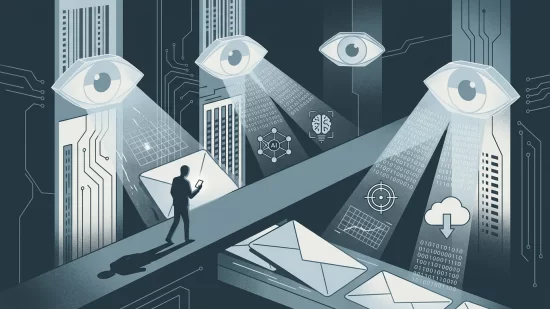
We all have thousands of photos on our phones and computers—family gatherings, pets, travel memories, silly selfies, and maybe a few receipts or screenshots we meant to delete. Storing them safely and sharing them easily is why so many of us turn to free cloud photo services like Google Photos, Facebook, iCloud, Amazon Photos, and Dropbox. These platforms promise convenience and peace of mind. But what most people don’t realize is that uploading your personal photos means handing them over to companies whose business models rely on analyzing, learning from, and sometimes profiting off your content. If you’ve ever wondered what really happens to your pictures after you hit “upload,” you’re not alone. And the answers matter more than ever, as tech companies expand their use of artificial intelligence (AI) and targeted advertising—often in ways buried deep in the fine print.
What Happens to Your Photos After You Upload Them?
When you use a free cloud photo service, your images don’t just sit in digital storage. They’re scanned, analyzed, and categorized—mostly by AI. This isn’t just about helping you search for “beach” or grouping pictures of your dog. It’s about extracting as much information as possible from every image: faces, locations, objects, even moods and activities. Companies say this makes their services smarter and more helpful. But it also means your personal moments become data points in massive systems that power everything from photo search to advertising algorithms.
For example, Google Photos uses AI to recognize faces, landmarks, and objects in your photos. This makes it easy to find “all photos of Grandma” or “all sunsets.” Facebook does similar things—scanning images for faces, tagging friends, and sometimes using your content to refine its own AI models. Dropbox, after its 2024 policy update, now uses AI to suggest ways to organize your files and photos. Amazon Photos offers unlimited storage for Prime members, but it also scans your images for faces and objects, and its privacy policy allows sharing data across Amazon’s many businesses.
Apple’s iCloud Photos is a bit different. Apple processes most image recognition on your device, so your personal data doesn’t leave your phone or computer for those features. However, unless you enable Advanced Data Protection, Apple can still access your photos if required by law enforcement. And while Apple says it doesn’t use your photos for AI training, that’s not the industry norm.
What Are You Actually Agreeing To?
When you sign up for these services, you agree to their terms—often without reading them. Those terms usually include broad language granting the company a license to use your content as needed to operate, improve, and promote their services. Google’s terms, for example, say they can use your photos to provide and improve features, and for service promotion. While Google claims not to use individual photos for general AI training, the difference between “analyzing for features” and “training AI” isn’t always clear—especially as AI becomes more sophisticated and the lines blur.
Dropbox’s 2024 update made it explicit: user files are now analyzed by AI for organization and search. Amazon is less transparent, simply stating that data may be used across the Amazon family of companies. Facebook, meanwhile, has a long history of using user data—including images—to refine its advertising and AI systems. Apple stands out for not using personal photo data to train AI models, but again, unless you take extra steps, Apple can access your photos under certain conditions.
Most users assume that uploading photos to a trusted brand’s cloud means those images are private. In reality, you’re giving the company permission to scan, analyze, and sometimes share information from your photos for purposes far beyond simple storage.
Why Millions of Users Never Realize Their Data Was Exposed
It’s easy to miss just how much of your personal life is being analyzed. The process is invisible and automatic. You don’t get a notification when an AI scans your baby’s first steps or when a photo of your living room is categorized for object recognition. There’s no pop-up warning that your vacation photos might help train a company’s next AI feature or improve its ad targeting.
Most people don’t read privacy policies or terms of service. Even if you did, they’re written in dense legal language that makes it hard to know what you’re really agreeing to. Companies rely on this—counting on convenience and trust to outweigh privacy concerns. As a result, millions of users contribute to AI training and targeted advertising without ever realizing it.
Common Misconceptions: What People Get Wrong About Free Cloud Photo Services
- "My photos are private because I set my account to private." Account privacy settings usually control who else can see your photos, not what the company itself can do with them. The company’s AI systems can still scan and analyze your images regardless of your sharing settings.
- "Turning off ad personalization means my photos aren’t analyzed." Disabling ad personalization may limit how your data is used for targeted ads, but it rarely stops the company from analyzing your photos for other purposes, including improving their AI.
- "If a service is free, they can’t use my content for profit." Free services often make money by using your data—directly or indirectly. Your photos can be used to improve AI, which in turn powers features, attracts more users, and enhances ad targeting.
- "Deleting a photo removes it from the company’s systems." Deleting a photo usually removes it from your view, but companies may retain backups for weeks or months. Some data extracted from your images (like face models or object tags) may persist even after the original image is gone.
Real-World Consequences: More Than Just Ads
Having your photos analyzed by AI isn’t just about seeing more relevant ads. There are other, less obvious consequences that can affect you and your family:
- Loss of control: Once uploaded, you lose a degree of control over your images. You can’t easily track how your photos are used or what data has been extracted from them.
- Profiling and targeting: The content of your photos can be used to build a profile of your interests, habits, and even your social circle. This can lead to more aggressive or invasive ad targeting, and potentially influence what you see online.
- Legal access: In some cases, companies can be compelled to hand over your photos to law enforcement. Unless you enable features like Apple’s Advanced Data Protection, your images could be accessed without your direct consent.
- Embarrassment and trust issues: If a service is breached or misuses data, personal photos could be exposed, leading to embarrassment, stress, or loss of trust in digital platforms.
- Contribution to AI without consent: Your images may help train AI models that you have no control over, and that could be used in ways you don’t agree with—such as facial recognition systems or commercial products.
What About AI Training? Are Your Photos Making AI Smarter?
This is where things get murky. Google, for example, says it doesn’t use your individual photos for general AI training, but does use them to improve its own features. The difference is subtle. Analyzing your photos helps Google build better face recognition and search tools, which can then be incorporated into broader AI products. Dropbox openly states that it uses your files for AI-powered search and organization. Amazon is less clear, but its privacy policy allows for data sharing and analysis across its ecosystem. Facebook has a long track record of using user content to train its algorithms.
Apple is the exception, claiming not to use personal photo data for AI training, and processing most analysis on-device. However, unless you enable Advanced Data Protection, Apple can still access your photos if legally required.
For most users, it’s nearly impossible to know where the line is drawn. The fine print shifts as companies update their policies, and most people don’t keep up. If you’re using a free (or even paid) cloud photo service, it’s safest to assume that your images are being analyzed—if not for general AI training, then at least for improving the company’s own features and services.
Your Photos and Targeted Advertising: How It Works
Some services use the data extracted from your photos to build detailed advertising profiles. This can include information about:
- Your interests (travel, pets, sports, hobbies)
- Your relationships (family, friends, colleagues)
- Your routines (where you go, what you do, when you do it)
- Your possessions (cars, electronics, brands in your home)
While most companies claim not to use the actual images for advertising, the information pulled from them—tags, objects, locations—can feed into the broader data ecosystem that powers targeted ads. This means you might start seeing ads for products related to things you’ve photographed, even if you never searched for them online.
Five Steps That Actually Reduce Your Risk
- Review your privacy settings regularly. Go into your cloud photo service’s settings and look for options related to data usage, sharing, and ad personalization. Adjust them to the most private settings available. Remember, this won’t stop all analysis, but it can limit some uses.
- Enable additional privacy features where available. For Apple users, turn on Advanced Data Protection to ensure your photos are encrypted and can’t be accessed by Apple, even if served with a warrant. Other services may offer similar advanced privacy features—use them if you can.
- Be selective about what you upload. Think twice before uploading sensitive or private images to any cloud service. If a photo contains information you wouldn’t want analyzed, profiled, or potentially exposed, consider storing it locally instead.
- Consider privacy-focused alternatives. Some paid photo storage services and external drives don’t analyze your images for AI or advertising. If privacy is a top concern, look into these options, even if they aren’t as convenient as the big-name free services.
- Stay informed about policy updates. Companies change their privacy policies frequently—sometimes with little notice. When you receive a notification about updated terms, take a few minutes to review what’s changed, especially regarding AI and data usage.
Can You Really Opt Out Completely?
Short answer: not entirely. Most services don’t offer a way to stop all analysis of your photos. In the EU, GDPR gives users more control, but even there, options are limited. Outside of Europe, you can adjust some settings, but the core data analysis that powers search, organization, and AI features is usually non-negotiable. If you want total control, your best bet is to avoid uploading sensitive images to any cloud service and use local storage instead.
Looking Ahead: What This Means for Everyday Users
The convenience of cloud photo storage comes with a trade-off: your personal moments become part of vast data systems that fuel AI, advertising, and more. For most people, the risk isn’t that your photos will be stolen or leaked (though that can happen), but that your life is quietly analyzed and monetized in ways you never expected. This can lead to loss of privacy, unwanted profiling, and a sense that you’re not fully in control of your own memories.
It’s not about paranoia or panic—it’s about awareness and making informed choices. Companies have a responsibility to be clearer and more honest about what they do with your data. Until that happens, it’s up to us to read the fine print, use privacy settings, and think carefully about what we share. You don’t have to stop using cloud photo services, but you do deserve to know what you’re signing up for—and how to protect yourself.
Risk Level: High — The widespread use of personal photos for AI analysis and advertising, combined with limited user control and unclear policies, means most users are exposed to significant privacy risks. While the chance of a direct breach may be low, the ongoing, invisible use of your images for purposes you may not agree with is a high-risk reality for anyone using these services today.