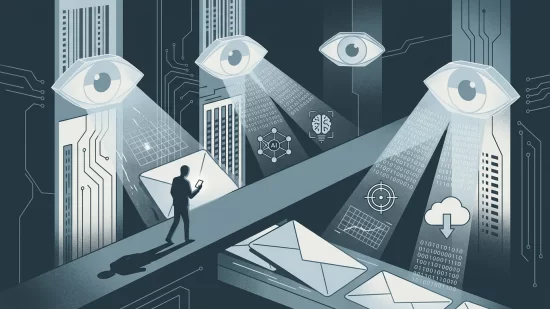
Imagine you’ve never signed up for Facebook, Instagram, or any other major social network. You might think you’ve dodged the digital dragnet—that your personal information is safe from the world’s biggest data collectors. But here’s the uncomfortable truth: social media companies are likely building a profile on you anyway, using details collected from your friends, family, and even your online browsing, all without your knowledge or consent. These are called "shadow profiles," and they’re quietly shaping how companies see—and sometimes target—you, even if you’ve never clicked "Sign Up."
This isn’t just a technical curiosity. Shadow profiles raise real questions about privacy, control, and what it means to exist in a world where your information can be collected simply because someone else handed it over. If you’ve ever wondered why you get eerily relevant ads, or how companies seem to know things you never told them, understanding shadow profiles is crucial. Let’s break down how this happens, why it matters, and what you can actually do about it.
What Are Shadow Profiles—and How Do They Come Together?
The term "shadow profile" might sound like something out of a spy novel, but it’s a very real, very modern phenomenon. A shadow profile is a collection of information that a social media platform builds about someone who has never signed up for their service. This isn’t about hackers or secret agents. It’s about companies piecing together details from the digital breadcrumbs left by people around you.
Here’s how it usually happens: when someone signs up for a social media platform, they’re often encouraged (sometimes pushed) to upload their contacts—email addresses and phone numbers—from their phone or email account. Platforms claim this helps "find friends" or "connect you with people you know." What they don’t always make clear is that every contact you upload becomes another piece of data for the company, including people who have never joined the service.
If several of your friends upload their contact lists, and your information is in those lists, the platform can start to build a profile about you. Maybe they notice you’re connected to people in a certain city, or that your phone number appears in contacts with similar last names. Over time, this information can be linked, cross-referenced, and expanded—sometimes even matched with other data sources or web activity.
Why Millions of People Never Realize Their Data Was Collected
Most people assume that if they don’t use a service, that service doesn’t know anything about them. Unfortunately, that’s not how data collection works today. Because shadow profiles are built behind the scenes, there’s no notification, no opt-in, and often no way to see what information has been gathered about you.
Consider this scenario: You’ve never joined Facebook. But five of your friends have, and each of them uploads their phone contacts. Now, Facebook has your name and phone number from multiple sources. If someone tags you in a group photo or mentions your name in a message, the platform can add that to your growing shadow profile. You remain invisible to yourself, but not to the company’s algorithms.
This process is silent. There’s no pop-up saying, "Hey, we’re building a profile about you." Most people never realize it’s happening, which is exactly why it’s so powerful—and so concerning.
How Social Media Tracks Non-Users Across the Web
Shadow profiles aren’t just built from contact lists. Social media platforms have embedded their technology across millions of websites and apps. Every time you visit a page with a "Like" button or a social media plugin—even if you don’t click—it can trigger tracking. According to recent studies, platforms like Facebook can monitor about 40% of the browsing time of both users and non-users, even on sites that deal with sensitive topics like health or finances.
This is possible because of cookies (small files stored on your device), invisible pixels, or code snippets that report back to the platform. Even if you’ve never created an account, your browsing habits, device details, and sometimes even your location can be quietly logged and associated with the information already gathered from your friends’ contact lists.
It’s a web of data that gets tighter every year, and opting out isn’t as simple as avoiding a single app.
Misconceptions: What Shadow Profiles Are—And Aren’t
- "Only users are affected." False. Shadow profiles specifically target non-users, meaning you don’t have to sign up to be included.
- "Shadow profiles are only used for advertising." Not quite. While targeted ads are a big part, these profiles can also be used for suggestions, people search, and even surveillance, as seen in recent cases involving AI-generated fake accounts targeting journalists and activists.
- "You can prevent all data collection by avoiding social media." Unfortunately, no. As long as your contacts use these platforms and upload their address books, some of your information can end up in a shadow profile.
- "This is illegal everywhere." The rules vary widely by country. In many places, there’s little or no regulation directly addressing shadow profiles.
What Information Can End Up in a Shadow Profile?
Shadow profiles can be surprisingly detailed, especially if you have a wide social circle using the same platforms. Here’s what can get scooped up:
- Contact information: Your name, phone number, and email address, often from multiple sources.
- Demographic details: Age, gender, and location, inferred from your connections and their profiles.
- Social connections: Who you know, and how you’re related to them (friends, family, colleagues).
- Online activity: Which websites you visit, especially those with social media plugins.
- Photos and mentions: If someone tags you in a photo or mentions your name, that can be linked to your shadow profile.
It’s not hard to see how these fragments can be stitched together into a surprisingly complete picture of your life—without your direct involvement.
Real-World Consequences: Privacy, Trust, and Targeting
So what’s the harm? The most obvious issue is privacy. You never consented to this data collection, and yet a company may know more about you than you’d expect. This information can be used to:
- Target you with ads, even on unrelated websites or apps.
- Suggest you as a "person you may know" to others, revealing your connections.
- Serve as a resource for surveillance, including by bad actors using fake accounts, as seen in the 2024 Meta takedown of AI-generated profiles targeting journalists and activists.
- Potentially expose you to phishing (fake messages designed to steal your information) or scams if your details are leaked or sold.
There’s also the human side: discovering that your private information is out there can lead to stress, loss of trust in friends or services, and a general sense of helplessness. Many people feel violated when they realize their data is being used in ways they never agreed to. It’s not about being secretive—it’s about having control over your own information.
Why Companies Keep Building Shadow Profiles (and Why It Hasn’t Stopped)
Social media companies rarely talk openly about shadow profiles. Why? Because these profiles are valuable. The more complete their data, the better they can target ads, suggest connections, and keep people engaged. Even if you’re not a user, your information helps them build a richer map of the world’s relationships.
Despite public outcry and regulatory pressure in some regions, there’s still no comprehensive law that bans or even seriously limits the creation of shadow profiles. The practice continues because it’s profitable, and because it’s difficult for individuals to detect or challenge.
In 2012, a Facebook data leak made the existence of shadow profiles public. More than a decade later, nothing fundamental has changed. If anything, the practice has become more widespread and sophisticated.
Can You Stop Shadow Profiles? What Actually Helps—and What Doesn’t
Let’s be honest: you can’t completely prevent shadow profiles if your friends and contacts use social media and upload their address books. There’s no magic button to delete your shadow profile, and most companies don’t even acknowledge that these profiles exist for non-users.
However, you’re not powerless. Here are steps you can take to reduce your exposure and push for better protections:
- Talk to your contacts. Explain that uploading their full address book shares other people’s information, not just their own. Encourage them to skip this step or choose manual entry when possible.
- Limit what you share with apps and services. When installing a new app, avoid giving access to your entire contact list. Check permissions regularly on your phone, tablet, and computer.
- Use privacy-focused tools. Consider browsers and extensions that block social media trackers and cookies. While not foolproof, these tools can reduce the amount of information collected as you browse.
- Stay off public lists. Don’t post your email address or phone number in public forums or on easily searchable websites.
- Advocate for better laws. Support organizations working for stronger privacy regulations. Real change will require clear rules about what companies can collect and how they use it.
One thing that doesn’t work? Simply avoiding social media. If your information is in someone else’s contact list, it can still end up in a shadow profile. This isn’t your fault, and you shouldn’t feel guilty—but it’s worth understanding how your data moves in the digital world.
Your Rights (and Limits) Over Shadow Profiles
Depending on where you live, you may have some rights over data collected about you—even if you’re not a user. In the European Union, for example, data protection laws (like the GDPR) give individuals the right to request access to their personal data and ask for its deletion. In practice, however, it’s often hard to exercise these rights if you don’t have an account with the company in question.
In most countries, there are few or no legal protections for non-users. Companies rarely provide a way to see or manage your shadow profile. This is a major gap in current privacy laws, and one reason why advocacy and public awareness matter.
Broader Implications: Why Shadow Profiles Should Concern Everyone
Shadow profiles aren’t just a niche privacy issue—they’re a sign of how little control individuals have over their digital identities. Even if you’re careful, your information can be collected, analyzed, and used without your permission. This undermines trust in technology and makes it harder for people to feel safe online.
It’s also a reminder that privacy isn’t just an individual choice. When companies encourage (or pressure) users to share their entire contact list, they’re turning personal relationships into business assets. This affects everyone, not just the people who sign up for social media.
Until stronger regulations are in place, shadow profiles will continue to grow in the background. The best defense is awareness, clear boundaries with your own data, and support for organizations fighting for digital rights.
Final Thoughts: Protecting Yourself in a World of Shadow Profiles
Shadow profiles are a frustrating reality of modern life. You can’t control what others share, but you can make informed choices and encourage those around you to do the same. Don’t fall for the myth that avoiding social media means total privacy. Instead, stay curious, ask questions, and remember: your information belongs to you, even if companies sometimes act like it doesn’t.
If you find this issue troubling, you’re not alone. The more people understand how shadow profiles work, the more pressure there will be for companies and lawmakers to respect everyone’s privacy—not just those who sign up for their services.
Risk Level: High. Shadow profiles represent a significant privacy risk for everyone, including non-users. While the risk of direct harm (like hacking) is low, the ongoing, unregulated collection and use of your personal information is a serious concern that deserves attention and action.