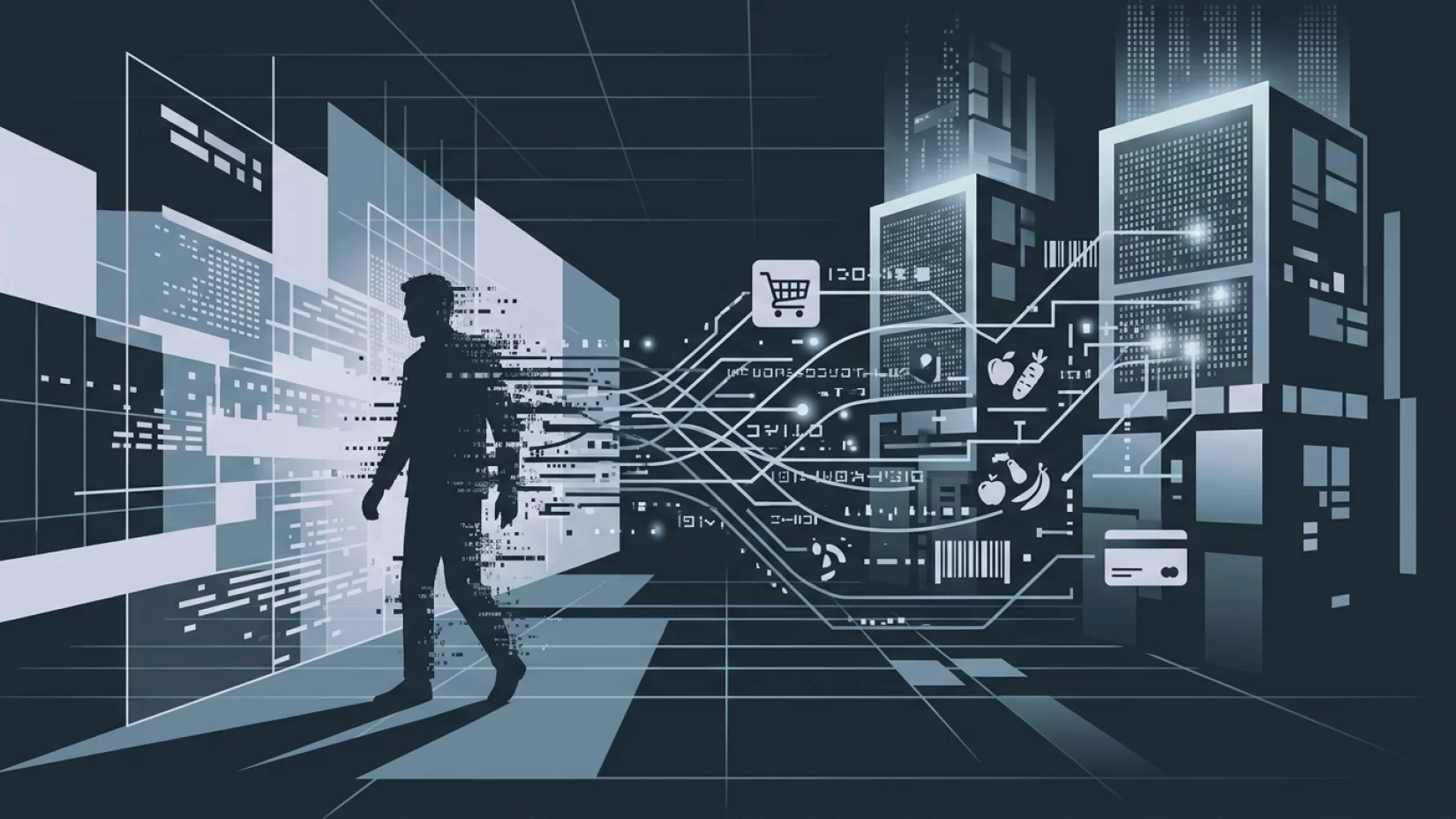
Supermarket loyalty cards and retail apps have become a staple of modern shopping. They promise discounts, special offers, and the occasional freebie. In return, you swipe your card or scan your phone at checkout, often without a second thought. But what really happens when you use these programs? Behind the scenes, every purchase, every preference, and sometimes even your location in the store is being recorded, analyzed, and—here’s the kicker—sold to companies you’ve never heard of. This isn’t just about what kind of cereal you prefer. The data collected can influence everything from the ads you see online to the insurance rates you’re offered. For many, the idea that their weekly grocery run is fueling a multi-million dollar data industry comes as a shock. If you use a supermarket loyalty card or retail app, this is your reality. Let’s break down exactly what’s being collected, who profits, and what you can do to protect yourself.
What Supermarkets Actually Know About You
If you think your supermarket loyalty card just tracks which brand of pasta you like, you’re in for a surprise. Today’s loyalty programs and retail apps are sophisticated data-collection machines. Here’s a peek at what’s typically gathered:
- Purchase history: Every item you buy, when you buy it, and how often.
- Payment method: Whether you use cash, credit, debit, or a mobile wallet.
- Personal information: Name, address, phone number, email, sometimes even age and family details.
- In-store behavior: Some apps track your movement via Wi-Fi or Bluetooth beacons, noting which aisles you linger in.
- Online activity: If you use the supermarket’s website or app, your searches, clicks, and wishlists are logged.
- Linked accounts: Some programs connect with other services, potentially pulling in data from social media or third-party apps.
This isn’t speculation. In 2024, Kroger, one of the largest grocery chains in the US, earned $527 million by selling personal shopper information to data brokers. Tesco and Sainsbury’s, two UK giants, rake in about £300 million annually by selling customer shopping data to companies like Channel 4, PepsiCo, and Heineken. Costco joined the party in 2024, selling purchase histories to advertisers. These aren’t isolated cases—they’re the norm.
Who’s Buying Your Shopping Data—and Why?
It’s not just the supermarket that’s interested in your shopping habits. When your data is sold, it can end up in the hands of:
- Advertisers: They want to target you with products you’re likely to buy, based on your real-world habits.
- Data brokers: These middlemen collect, package, and resell your data to other companies, often without your knowledge.
- Insurers: Some insurance companies analyze grocery purchases to make assumptions about your lifestyle and health risks.
- Manufacturers: Food and beverage companies use this data to understand trends, test marketing strategies, and sometimes even set prices.
Many people assume this data is only used internally—to improve the store’s own marketing or stock the right products. That’s no longer true. The data is a commodity, and it’s being bought and sold at scale.
Why Millions of Users Never Realize Their Data Was Exposed
Most loyalty programs are designed to be easy and frictionless. You sign up at checkout or online, often with a quick form and a promise of savings. The privacy policy—if you even see it—is buried in fine print or hidden behind vague language. Few people read these documents, and even fewer truly understand what they’re agreeing to.
Here’s what often goes unnoticed:
- You rarely have to give explicit, informed consent for your data to be sold.
- Opt-out options are hard to find, if they exist at all.
- Even if you stop using the card, your historical data may still be sold.
- Some programs share data across multiple brands or partners, making it difficult to track where your information ends up.
Many shoppers believe that if they’re not buying anything embarrassing, there’s no real risk. But the reality is, seemingly harmless information—like how often you buy soda, or whether you purchase gluten-free products—can be used to build a detailed profile about you and your household.
Common Misconceptions About Loyalty Card Data
Let’s clear up a few myths that keep people from taking this issue seriously:
- "They only track what I buy." No—they can also track when, where, and how you shop, plus any personal info you’ve provided.
- "It’s just for marketing." Data is sold to third parties for a range of uses, including determining insurance rates and creating consumer profiles for resale.
- "If I stop using my card, they stop tracking me." Past data is often retained and can still be sold. Some stores link purchases to your payment card or phone number even without the loyalty card.
- "Opting out is easy." In practice, opt-out options are often buried or non-existent. Many programs default to maximum data sharing.
Worse, many shoppers aren’t even aware their data is being sold at all. The lack of transparency is not an accident. It’s a design choice that benefits the retailer, not the consumer.
Real-World Consequences: More Than Just Targeted Ads
It’s easy to shrug off data collection as the price of convenience. But the consequences can be surprisingly far-reaching. Here are some ways your shopping data might impact you:
- Insurance decisions: Some health and life insurers buy grocery data to make assumptions about your diet and health risks. This could influence your premiums or eligibility.
- Personalized pricing: Retailers and manufacturers may use your data to offer different prices or discounts to different shoppers, sometimes in ways that aren’t fair or transparent.
- Loss of privacy: Detailed shopping profiles can reveal sensitive information—medical conditions (gluten-free, diabetic-friendly foods), family status (baby products), or even religious practices (kosher or halal products).
- Unwanted marketing: Expect more spam, more targeted ads, and sometimes even phone calls or mailings from companies you’ve never interacted with.
On a human level, this can lead to stress, confusion, and a feeling of being watched. Many people report discomfort when they realize just how much a retailer knows about their private life. And once your data is sold, you have little control over where it ends up or how it’s used.
Why This Problem Isn’t Going Away Soon
Despite growing public concern, the collection and sale of loyalty card data is only increasing. Retailers make huge profits from selling data—Kroger’s $527 million in 2024 is set to jump to $825 million in 2025. Tesco and Sainsbury’s have made data sales a core part of their business. Costco jumped in as soon as it saw the opportunity. There’s little incentive for companies to stop, and no major country has passed laws that truly restrict these practices.
Even if you live in a place with privacy regulations, enforcement is often weak, and companies find ways to work around the rules. For now, the burden of protection falls mostly on you, the consumer.
Five Steps That Actually Reduce Your Risk
You can’t stop supermarkets from collecting data entirely, but you can limit what they gather and how it’s used. Here’s what actually works:
- Review your loyalty app settings. Open your supermarket’s app or website and look for privacy settings. Turn off data sharing and targeted advertising where possible. It may take some digging—settings are often hidden under “account” or “preferences.”
- Limit use of loyalty cards. Only use your card for purchases where the discount is truly worth it. For regular or sensitive purchases, consider paying without the card.
- Use cash or anonymous payment methods. When possible, pay with cash or prepaid cards. This breaks the link between your identity and your purchases.
- Opt out of marketing communications. Unsubscribe from promotional emails and texts. While this won’t stop all data collection, it reduces your exposure to targeted marketing.
- Ask about data deletion. Some supermarkets allow you to request deletion of your account or data. It’s worth asking, even if the process is slow or limited.
Be aware: even with these steps, some data collection is unavoidable if you use loyalty programs. But you can make yourself a less attractive target for data brokers and advertisers.
Staying Skeptical: Don’t Take Retailers at Their Word
Retailers often claim your data is anonymized or only used to improve your experience. In reality, anonymization is rarely perfect—especially when data is combined from multiple sources. And as long as there’s money to be made, companies will find ways to extract value from your information.
If a supermarket or app promises “privacy,” read the fine print. Ask yourself: would I be comfortable with a stranger knowing this much about my shopping habits? If not, it’s time to rethink how you use loyalty programs.
The Broader Picture: Why Your Shopping Data Matters
It’s easy to see this as a minor annoyance, but the sale of supermarket data is part of a much bigger trend. Companies are building detailed profiles of consumers, often without their knowledge or meaningful consent. This data can follow you across platforms and industries, shaping everything from the ads you see to the prices you pay and even the services you’re offered.
Protecting your privacy isn’t about having something to hide—it’s about controlling who profits from your everyday life. With a few practical steps and a healthy dose of skepticism, you can take back some control. Don’t let a few dollars in discounts cost you your privacy.