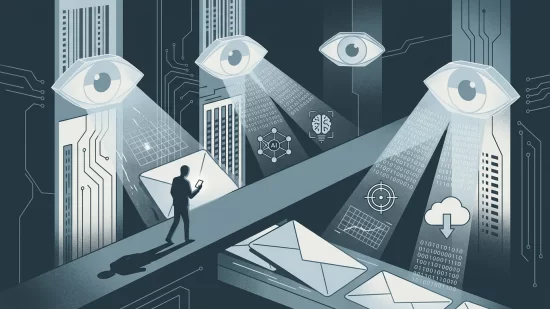
Have you ever wondered where your personal information really goes after a data breach? Maybe you heard about a company being hacked but never got a notification. Or perhaps you’ve seen headlines about the “dark web” and assumed it’s just a distant corner of the internet that only hackers care about. Here’s the uncomfortable truth: your data could already be out there, traded or sold on the dark web, and you might never know—unless you check. This isn’t just a problem for celebrities or tech insiders. In 2024 alone, over 1.35 billion people worldwide had their personal information exposed in data breaches. That’s more than one in six people on the planet. The consequences are real: identity theft, financial fraud, and a loss of trust in the services we rely on every day. Let’s break down what the dark web actually is, how stolen data gets there, and—most importantly—how you can check in minutes if your information has already been leaked, all without paying a cent.
What Is the Dark Web, Really?
The dark web isn’t just a plot device in crime shows or a mysterious hacker hangout. It’s a part of the internet that’s intentionally hidden and can only be accessed with special software, like the Tor browser. Unlike the websites you find on Google or Bing, dark web sites don’t show up in regular search results, and their addresses often look like random strings of letters and numbers. While the dark web is sometimes used for privacy-focused activities (whistleblowing, for example), it’s also where a staggering amount of illegal activity takes place—including the buying and selling of stolen personal data.
It’s important to distinguish the dark web from the deep web. The deep web includes all the parts of the internet that aren’t indexed by search engines—think of your private email inbox or your bank account dashboard. The dark web is a much smaller slice of the deep web, and it has a well-earned reputation for shady dealings.
How Does Personal Data End Up on the Dark Web?
Most people never knowingly hand over their personal details to a dark web marketplace. Instead, data usually arrives there after a breach—when a company, service, or website you use is hacked, and attackers steal information like email addresses, passwords, phone numbers, or even credit card details. Sometimes, the breach is massive and makes the news. Other times, it’s quietly swept under the rug, and users are left in the dark about what was taken.
Attackers often bundle stolen data into huge "collections" and sell or trade them on dark web forums. For example, in a recent incident, a trove containing 1.3 billion unique passwords and 2 billion email addresses was discovered online. That’s not a typo—billions of credentials, many of them still active, were floating around for anyone with the right dark web access to grab.
It’s not just passwords. Social media profiles, financial account details, healthcare records, and even online shopping histories can all be exposed. Once your data is out there, it can be bought, sold, and reused indefinitely. Even if you change your password, other details—like your date of birth, old addresses, or phone numbers—may still be circulating.
Why Millions of Users Never Realize Their Data Was Exposed
It’s a common misconception that you’ll always be notified if your information is stolen. In reality, companies aren’t always quick to disclose breaches, and sometimes they don’t even realize they’ve been hacked until months (or years) later. Some organizations may downplay the scope of an incident, while others may not notify affected users at all, especially if local laws don’t require it.
Even when notifications are sent, they’re often buried in email spam folders or written in legal jargon that’s easy to ignore. Many people assume that if they haven’t heard anything, they’re safe. Unfortunately, that’s not how it works. Your data could have been compromised in a breach you never heard about—sometimes through a service you barely remember signing up for.
Common Misconceptions About Dark Web Data Leaks
- “Only celebrities or high-profile people are targeted.” Not true. Attackers go after big databases because they’re valuable—everyone’s data is up for grabs, not just VIPs.
- “If I use strong passwords, I’m safe.” Strong passwords are crucial, but if a service you use is breached, even the best password can be exposed. Plus, if you reuse passwords, a breach at one site can compromise other accounts.
- “Checking once is enough.” Data breaches are ongoing. New leaks happen daily. Regular checks are necessary to stay ahead.
What Can Actually Happen If Your Data Is on the Dark Web?
The risks aren’t just theoretical. If your personal information is exposed, criminals can use it in a variety of ways:
- Identity theft: Opening new accounts or taking out loans in your name. This can wreck your credit and take years to fix.
- Account takeovers: Using your leaked passwords to access your email, social media, or bank accounts. This can lead to financial loss and privacy violations.
- Phishing and scams: Targeted emails or messages that use your real information to trick you into revealing more, or to install malware (malicious software that can steal even more data).
- Embarrassment and stress: Imagine someone using your old messages or purchase history against you, or the anxiety of wondering what else is out there.
Even if you haven’t noticed any suspicious activity yet, criminals sometimes wait months or years before using stolen data. That’s why it’s so important to stay vigilant.
How to Check if Your Data Is on the Dark Web for Free—Right Now
You don’t need to be a hacker or pay for an expensive service to check if your information has been exposed. One of the most trusted tools available is Have I Been Pwned. This free service collects data from known breaches and lets you search by email address or phone number to see if your info has appeared in any leaks.
- Go to the Have I Been Pwned website (just type it into your search engine).
- Enter your main email address or phone number.
- Review the results. If your information has been found in breaches, you’ll see which services were affected and what data was exposed.
There’s no catch—it’s genuinely free, and you don’t have to create an account. If you want, you can also sign up for notifications so you’ll be alerted if your information shows up in future breaches.
Remember: Have I Been Pwned only covers known breaches. There’s always a chance that your data could be exposed in a breach that hasn’t been made public yet.
Five Steps That Actually Reduce Your Risk
If you discover your data has been exposed—or even if you haven’t—it’s smart to take action now. Here’s what actually helps:
- Change passwords for affected accounts immediately. If you see your email or username in a breach, update your passwords for those services. Don’t reuse old passwords.
- Turn on two-factor authentication (2FA) wherever possible. This adds a second layer of security, so even if someone knows your password, they can’t get in without a code sent to your phone or generated by an app.
- Use unique, strong passwords for every account. A password manager can help you keep track of them without having to remember dozens of combinations.
- Monitor your financial accounts and credit reports. Look for unauthorized charges or new accounts you didn’t open. Many countries now offer free annual credit reports.
- Be extra cautious with emails, texts, or calls asking for personal info. Scammers often use leaked data to make their messages seem more convincing. If something feels off, don’t click links or share information—contact the company directly using a trusted method.
Why Regular Checks Matter—Not Just One and Done
It’s tempting to check once and forget about it. But new breaches happen all the time, and your data can be exposed years after you first sign up for a service. Make it a habit to check Have I Been Pwned (or similar services) every few months. Set reminders if you need to. Think of it like checking your smoke alarm or updating your phone: a small action that can prevent big headaches later.
The Human Side: Stress, Confusion, and the Need for Better Protection
Let’s be honest—finding out your data is floating around on the dark web isn’t just a technical issue. It can be stressful and confusing. You might feel angry at companies that failed to protect your information, or frustrated by the seemingly endless stream of breaches. There’s also decision fatigue: Should you change every password? Freeze your credit? Switch banks? The key is to take practical steps (like those above) without letting the situation overwhelm you. Remember, you’re not alone—billions of people are in the same boat, and the real problem lies with companies and platforms that fail to take security seriously.
Don’t Fall for Fear Tactics or Empty Promises
Some companies try to scare you into buying expensive “dark web monitoring” services that don’t do much more than what Have I Been Pwned offers for free. Be skeptical of any service that claims it can remove your data from the dark web—once it’s out there, it’s nearly impossible to claw back. Focus on what you can control: strengthening your accounts, monitoring for suspicious activity, and staying informed.
The Bigger Picture: Why This Isn’t Just Your Problem
When so many people’s data is exposed, it creates problems for everyone. Fraudsters use stolen information to launch broader attacks, spread scams, and undermine trust in digital services. Companies that cut corners on security put all their users at risk. Regulators and lawmakers need to hold organizations accountable for protecting personal data, but until that happens, consumers have to look out for themselves and each other.
Bottom Line: Stay Informed, Stay Proactive, Stay Calm
Your personal data is valuable—and vulnerable. With billions of records exposed in recent years, checking if your information is on the dark web is no longer optional. It’s a basic part of digital self-care. Use free, reputable tools like Have I Been Pwned to keep tabs on your exposure. Take practical steps to secure your accounts. And if you ever feel overwhelmed, remember: you’re not powerless. A few minutes of action can make a big difference in reducing your risk. Stay vigilant, but don’t panic. You’ve got this.