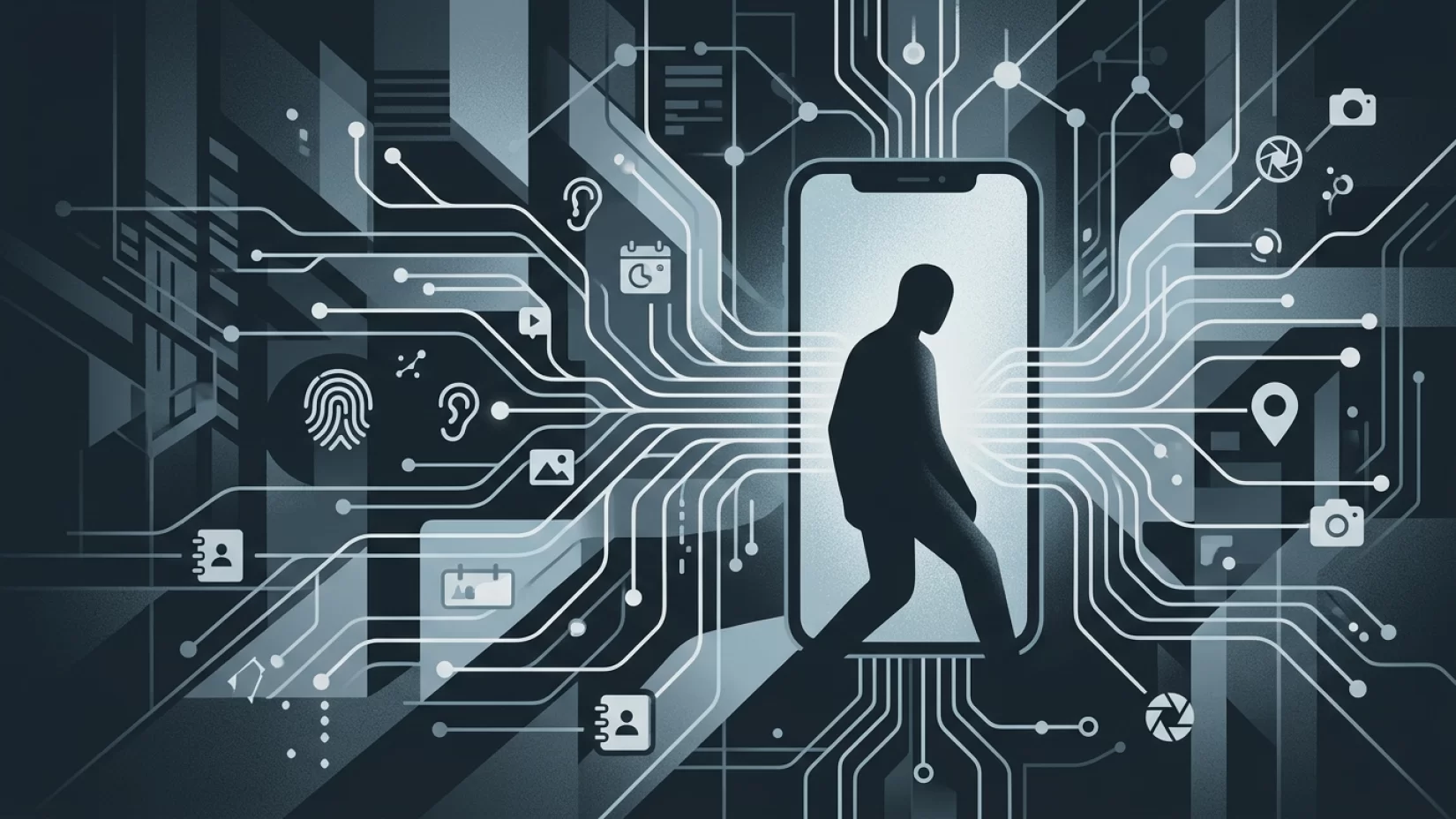
Most of us know TikTok as the place for viral dances, bite-sized comedy, and endless scrolling. But behind the scenes, TikTok is also quietly gathering a surprising amount of information from your device — often in ways you might not expect, and sometimes even when you’re not watching videos. If you’ve ever wondered what TikTok actually collects from your phone, or if you’re looking for real ways to protect your privacy, you’re not alone. Understanding these behind-the-scenes practices isn’t just for tech experts; it’s for anyone who values control over their digital life. Let’s unpack what’s really happening, why it matters, and how you can take back some control.
It’s Not Just What You Post: The Full Scope of TikTok’s Data Collection
Many people assume TikTok only sees what you put on your profile or what you post in videos. Unfortunately, that’s just the tip of the iceberg. TikTok’s privacy policy and independent research confirm that the app collects a wide range of data, including:
- Device Information: Your phone’s make and model, operating system version, unique device identifiers, and even your network type (like Wi-Fi or mobile data).
- Keystroke Patterns: How you type, tap, and swipe — not the content of your messages, but the rhythm and pattern of your interactions. TikTok says this is for security and anti-spam, but it’s still a lot of behavioral data.
- Clipboard Contents: Previously, TikTok accessed whatever you had copied (like passwords or addresses) without telling you. After being caught by iOS 14’s privacy alerts in 2020, TikTok removed this feature, but it’s a reminder that app permissions can change quietly.
- Location Data: If you let TikTok access your location, it can collect precise GPS coordinates. Even without permission, it estimates your location using your SIM card, IP address, and device settings.
- Biometric Data: TikTok’s policy now openly mentions collecting faceprints and voiceprints from your videos. This isn’t just about fun filters — it’s about building a unique profile of you based on your appearance and voice.
- In-App Browser Activity: When you open links inside TikTok, the app’s browser can monitor your keystrokes, screen taps, and navigation on those external websites.
All of this happens whether you’re a casual viewer, an occasional poster, or a daily creator. And it’s not limited to your activity inside the app — some data collection continues as long as the app is running in the background.
Why Does TikTok Want All This Data?
Companies rarely collect information for no reason. TikTok claims it uses this data to improve user experience, personalize content, detect spam or abuse, and keep accounts secure. Some of this makes sense — for example, tracking device type helps optimize the app for your phone. But collecting biometric data and keystroke patterns goes far beyond what’s needed for dancing cat videos.
There’s also the business side: more data means more targeted advertising. The more TikTok knows about your habits, location, and even your physical features, the more valuable you become to advertisers. Regulators and privacy advocates warn that this level of collection can cross the line from helpful to invasive, especially when users aren’t fully aware of what’s being gathered.
Who’s Affected? (Hint: It’s Not Just Influencers)
If you have TikTok installed on your phone or tablet, you’re affected. This includes:
- Teens and students watching or creating videos
- Parents sharing family moments
- Remote workers using TikTok for fun or business
- Anyone who’s downloaded the app, even if they rarely use it
With over a billion active users worldwide, TikTok’s reach is massive. And because the app is popular across age groups and regions, the privacy risks aren’t limited to any one demographic. Even if you’re careful about what you post, the app may still collect sensitive information from your device in the background.
Common Misconceptions That Put Users at Risk
- “TikTok only collects data when I’m using the app.” Not true. Some types of data, like device info and network details, can be collected as long as the app is running or has permission to access certain features.
- “I don’t post videos, so I’m safe.” Even if you never upload content, TikTok still gathers information about your device, location, and how you interact with the app.
- “Updating the app automatically protects my privacy.” Updates can fix some issues (like removing clipboard access), but new permissions or features may increase data collection. You still need to review your settings with every update.
- “TikTok doesn’t collect sensitive data like biometrics.” As of 2026, TikTok’s privacy policy clearly states it may collect faceprints and voiceprints from your videos.
Real-World Examples: What’s Actually Happened?
TikTok’s data collection isn’t just a theoretical concern. Here are some real incidents that highlight the scope and consequences:
- Clipboard Access Exposed (2020): When Apple released iOS 14 beta, users were alerted every time an app accessed the clipboard. TikTok was caught checking clipboard contents repeatedly, even when users weren’t pasting anything into the app. After public backlash, TikTok removed this feature, but it raised questions about what else the app might access without clear disclosure.
- Biometric Data Policy Update (2021): TikTok quietly updated its privacy policy to say it may collect “faceprints and voiceprints,” sparking concern among privacy advocates and regulators. The company hasn’t fully explained how these are used or stored.
- In-App Browser Tracking (2022-2024): Security researchers found that TikTok’s in-app browser could monitor keystrokes and taps when users opened external links. This means that filling out a form or entering login details on a website inside TikTok could be visible to the app.
- Regulatory Scrutiny: Australia’s privacy watchdog launched an inquiry into TikTok’s data collection in 2023. In 2024, the U.S. Department of Justice sued TikTok for alleged violations of children’s privacy laws, focusing on the app’s handling of sensitive data.
These incidents aren’t meant to scare you, but to show that privacy concerns with TikTok are grounded in real events — not just rumors.
What Are the Real Consequences for Everyday People?
So what does all this mean for you? Here are some practical scenarios:
- Targeted Advertising: If TikTok knows your location, habits, and even biometric traits, advertisers can target you with almost unsettling precision. This can feel invasive, especially if ads seem to “read your mind.”
- Loss of Control Over Personal Data: Once biometric data (like your faceprint) is collected, you can’t change it like a password. If that data is ever leaked or misused, the consequences are permanent.
- Potential for Data Sharing: TikTok’s privacy policy allows sharing data with third parties, including business partners and law enforcement, sometimes without your explicit consent.
- Increased Risk for Children and Teens: Younger users may not fully understand what they’re sharing, making them especially vulnerable to privacy breaches and targeted ads.
- Decision Fatigue and Anxiety: Constantly adjusting settings or worrying about what’s being collected can lead to stress and a sense of helplessness.
While there’s no evidence that TikTok is stealing passwords or reading your private messages, the sheer volume and sensitivity of the data collected means mistakes, leaks, or misuse could have serious consequences.
Five Steps That Actually Reduce Your Risk
Feeling overwhelmed? You don’t have to delete TikTok to protect yourself (unless you want to). Here are practical steps that make a real difference:
- Review App Permissions Regularly: On both iOS and Android, check what TikTok can access (like location, camera, microphone, contacts). Remove any permissions you’re not comfortable with. For example, if you don’t need location-based features, turn off location access entirely.
- Limit In-App Browser Use: If you open links from TikTok, consider copying the link and opening it in your phone’s main browser instead. This avoids TikTok’s in-app browser, which has been shown to monitor keystrokes and taps.
- Be Careful What You Share in Videos: Remember that uploading a video could share your face, voice, and surroundings. Avoid filming sensitive documents, screens, or personal conversations. Even background details can reveal more than you intend.
- Keep TikTok Updated — But Stay Skeptical: Updates can fix vulnerabilities, but also sometimes add new data collection. After each update, review the privacy policy and your permissions. Don’t assume the update is always in your favor.
- Use TikTok’s Privacy Controls: Dive into the app’s privacy settings. You can make your account private, restrict who can comment or message you, and limit ad personalization. These controls aren’t perfect, but they do give you more say over your data.
Bonus tip: If you’re especially concerned, consider using TikTok on a secondary device with minimal personal information. This isn’t practical for everyone, but it’s an option for those who want an extra layer of separation.
Don’t Fall for False Security: What TikTok Has (and Hasn’t) Fixed
It’s easy to assume that high-profile companies will fix privacy issues quickly and transparently. In reality, companies often act only after public pressure or regulatory scrutiny. For example, TikTok removed clipboard access after being exposed by iOS updates, not before. And while the app has made some improvements, it continues to collect a wide range of personal data, including biometrics and precise location, as of 2026.
Don’t rely on the company to protect your privacy by default. Take advantage of every setting and control you have. Stay informed about changes to the privacy policy — they do update, and sometimes the changes are buried in the fine print.
Broader Implications: Why This Matters Beyond TikTok
TikTok isn’t the only app collecting more data than you might expect, but it’s one of the most aggressive and least transparent about what it does with that data. When a platform with over a billion users normalizes detailed tracking — including biometrics — it sets a precedent for other apps to follow. The more we accept these practices, the less control we have over our digital lives.
On a societal level, widespread data collection can fuel targeted misinformation, social engineering, and even surveillance. Regulators are starting to push back, but meaningful change is slow. In the meantime, ordinary users have to be their own first line of defense.
Final Thoughts: You Deserve Control Over Your Privacy
Using TikTok doesn’t mean giving up your right to privacy. But it does mean you need to be proactive, informed, and a little skeptical about what the app is doing behind the scenes. By understanding what TikTok actually collects from your device — and taking a few simple steps to limit that access — you can enjoy the fun parts of the platform without giving away more than you bargained for.
Stay curious, stay cautious, and remember: your data is valuable, and you have every right to protect it.