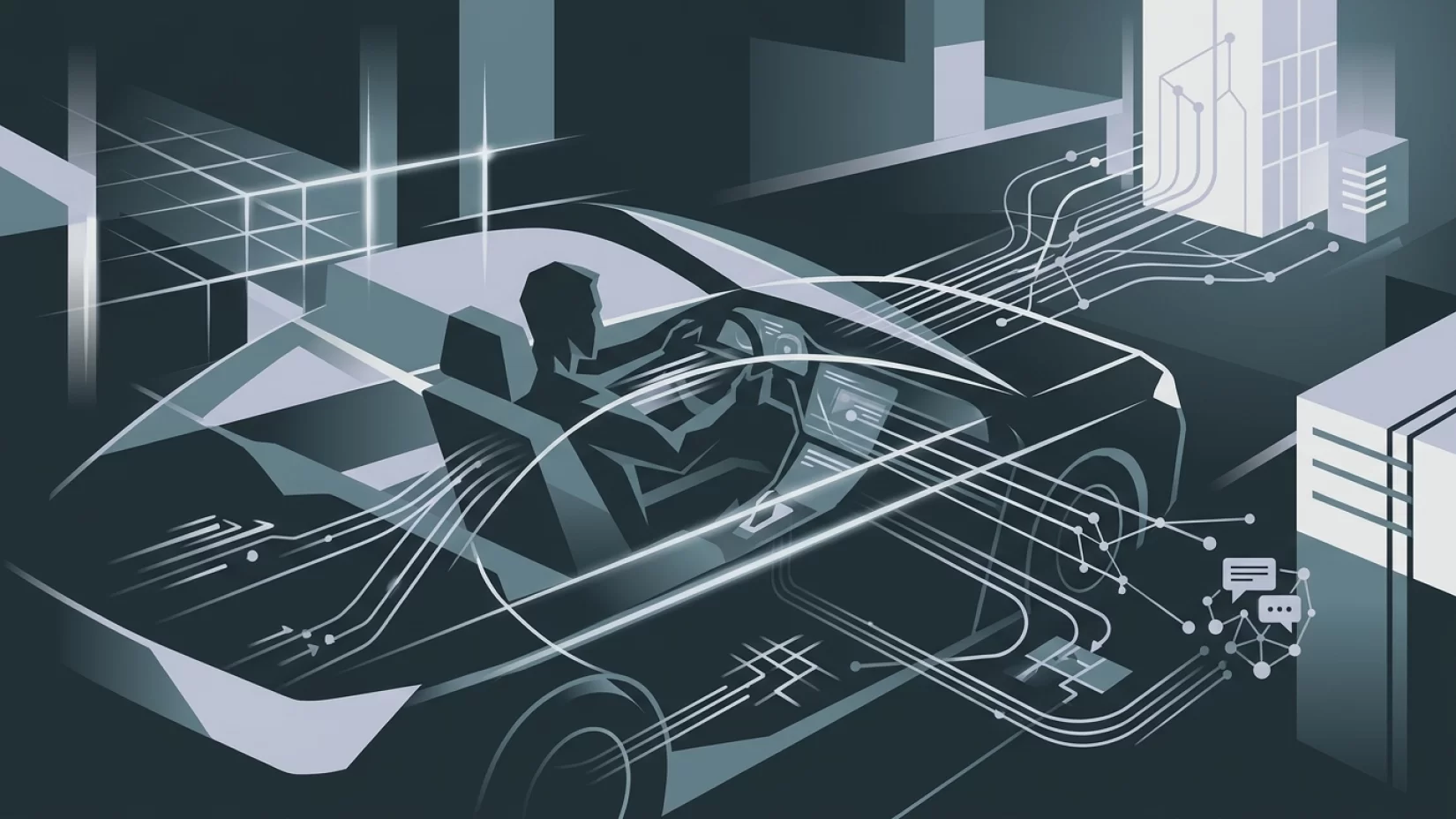
There’s a good chance your car knows more about you than you’d ever expect — not just where you drive, but how fast you go, who you call, and even what you say or search for while behind the wheel. Today’s vehicles are less like simple machines and more like rolling computers, packed with sensors, microphones, cameras, and always-connected infotainment systems. This isn’t just about convenience or safety. It’s about data — a lot of it — and what happens to that data once it leaves your car.
Why does this matter? Because the information your car collects can reveal where you live, work, shop, and socialize. It can expose your daily routines, your contacts, and even your private conversations. Most drivers don’t realize how much of this data is quietly shared or sold to third parties, including insurance companies, data brokers, and sometimes even law enforcement — often without your clear consent. Recent scandals and official warnings show that this isn’t a distant risk: it’s happening now, with real consequences for privacy and control over your personal information.
If you drive a modern car, this is your issue. Let’s pull back the curtain on what your vehicle is tracking, who gets to see it, and what you can actually do to protect yourself.
What Your Car Really Knows About You
Most people expect their car to keep track of mileage and maybe store a few radio presets. But connected cars — those with built-in internet access, GPS, and advanced infotainment systems — gather far more. According to a 2023 Mozilla Foundation report, every one of the 25 major car brands they studied collected extensive personal data, much of it unrelated to actually driving the car.
- Location Data: Your car logs where you drive, how often, and when. It can build a detailed map of your movements — home, work, school, shops, and more.
- Driving Habits: Speed, acceleration, braking, seatbelt use, even how hard you turn the wheel. Some systems monitor whether you’re distracted or drowsy.
- Personal Contacts: Sync your phone, and your car may copy your contacts and call logs.
- Call and Message Logs: Infotainment systems can record who you call and text, and in some cases, the content of messages or voice commands.
- Biometric Data: Some models use cameras or sensors to track your face, voice, or even heart rate.
And it doesn’t stop there. If you use a companion mobile app — to remote start the engine, check battery status, or find your car in a parking lot — those apps often collect even more, including your precise location and device information.
Who Actually Gets Your Data?
You might assume that only your car manufacturer sees this information. Unfortunately, that’s not the case. Mozilla’s research found that 84% of car brands share or sell your data to third parties, and 76% sell it directly. This isn’t just for technical support or safety recalls. Your driving data can end up with:
- Insurance Companies: As seen in the 2024 General Motors (GM) OnStar scandal, driving data was shared with insurers without clear consent, leading to unexpected premium hikes for some drivers.
- Data Brokers: Companies that buy and sell personal information to marketers, advertisers, and other businesses.
- Law Enforcement: Over half of car brands (56%) admitted to sharing data with police without a court order, raising serious privacy concerns.
- App Developers: Any third-party apps connected to your car or its systems may also access your data, often with vague or confusing privacy policies.
In short, your driving life is a product — and you’re not always in the loop about who’s buying.
Why Millions of Drivers Never Realize Their Data Was Exposed
If you’re surprised by all this, you’re not alone. In a 2024 Kaspersky survey, 72% of drivers said they were uncomfortable with automakers sharing their data, and 87% wanted the right to have their data deleted. Yet only two car brands in Mozilla’s study offered customers a way to access or delete their information. Most drivers have no idea what’s being collected, let alone how to stop it.
One reason: the privacy settings in cars and their companion apps are often buried, confusing, or simply missing. Many people assume that syncing a phone or using navigation is harmless, not realizing it opens the door to wide-ranging data collection. And even if you do find the settings, opting out can mean losing features you rely on — like real-time traffic updates or remote unlocking.
Manufacturers don’t make it easy, and that’s no accident. The more data they collect, the more valuable it is to their business partners. Convenience is dangled as the trade-off, but most drivers never get a clear choice.
Real-World Consequences: It’s Not Just About Ads
It’s easy to think, “So what if my car knows where I go?” But the impact of car data collection goes beyond targeted ads or annoying marketing calls. Here’s what’s at stake:
- Insurance Surprises: As seen with GM’s OnStar, your driving style could be sold to insurers and used to raise your premiums — even if you never agreed to it.
- Location Exposure: If your car’s cloud data is leaked or mishandled (like Toyota’s 2024 breach affecting 2 million customers), your home address and travel history could be exposed to hackers or stalkers.
- Loss of Privacy: Law enforcement could access your driving data without a warrant, depending on the manufacturer’s policies and local laws.
- Personal Relationships: Syncing your phone can mean your contacts, call logs, and even messages are stored in your car, potentially viewable by anyone with access to the vehicle or its cloud account.
- Stress and Anxiety: Many drivers report feeling uneasy or resentful about being watched — a natural reaction to losing control over personal information.
It’s not about having something to hide. It’s about your right to control who sees your life’s details.
Common Misconceptions That Put Drivers at Risk
- “All this data is needed for my car to work.” Not true. While some information is necessary for navigation or emergency services, much of what’s collected is for marketing or analytics — not for your benefit.
- “I can just turn off data sharing.” In reality, it’s rarely that simple. Some settings are hidden or require multiple steps. Opting out may disable features you want, and in many cases, there’s no clear way to delete data already collected.
- “If I don’t use the car’s apps, I’m safe.” Even if you avoid apps, your car’s built-in systems may still collect and transmit data every time you drive.
- “My data is safe because my car is new.” Newer cars often collect more data, not less. Security flaws (like Toyota’s 2024 cloud leak) can expose even the latest models.
Don’t let manufacturers’ marketing or vague privacy statements lull you into a false sense of security.
Five Steps That Actually Reduce Your Risk
It’s frustrating to find out how much control you’ve lost, but you’re not powerless. Here’s what you can do — right now — to limit how much your car knows and shares about you:
- Review Your Car’s Privacy Settings: Dive into your vehicle’s infotainment menus and companion app. Look for sections labeled "Privacy," "Data Sharing," or "Connected Services." Disable any sharing features you don’t need. If you’re not sure, consult your owner’s manual or the manufacturer’s website.
- Be Careful With Phone Syncing: When connecting your phone, choose "Bluetooth only" if possible, rather than full integration. Avoid syncing contacts and call logs unless absolutely necessary.
- Limit App Permissions: Only install and connect apps you trust. Check which permissions they request — location, contacts, microphone — and deny anything you’re uncomfortable with.
- Regularly Delete Old Data: Some cars allow you to erase personal information from the infotainment system. Make this a habit, especially if you sell or service your car.
- Know Your Rights: In some regions, you have the legal right to access and request deletion of your data. Check your manufacturer’s privacy policy and local laws. Don’t hesitate to make a formal request — even if the process is clunky.
These steps won’t make your car completely private, but they’ll help you regain some control.
Are Automotive Apps Making Things Worse?
Many carmakers push companion mobile apps as a way to enhance your experience — remote start, vehicle status, location tracking, and more. But these apps often collect even more data than your car itself, and their privacy policies are sometimes even less clear.
Before installing or using these apps, check reviews and privacy disclosures. Be wary of apps that ask for broad permissions or require you to create a detailed online profile. If you no longer need an app, uninstall it and request deletion of your account and data if possible.
Remember: the more devices and apps you connect, the more places your personal information can end up.
Industry Promises vs. Reality: Who’s Really Protecting You?
Automakers love to talk about innovation and safety, but their record on privacy is spotty at best. The FTC’s May 2024 warning made it clear: companies can’t just collect and sell your data for profit. But regulation is slow, and enforcement is inconsistent. Most brands still make it difficult for you to see or erase the information they hold about you.
Consumer pressure is starting to have an effect. Surveys show drivers want more control and transparency. Some brands are experimenting with better privacy tools. But until these practices become industry standard, it’s up to individual drivers to push back and demand better.
Looking Ahead: Why Connected Car Privacy Is Everyone’s Issue
As cars become even more connected, privacy risks will only grow. Features like driver monitoring cameras, voice assistants, and always-on internet promise convenience, but they also open new doors for data collection and abuse. Once your information is out there, it’s nearly impossible to get it back.
This isn’t about rejecting technology or living in fear. It’s about insisting on clear choices, strong protections, and honest communication from the companies that build and sell our cars. You have a right to know what’s collected, who sees it, and how to control it. Don’t settle for less.
Stay curious, stay skeptical, and don’t be afraid to ask tough questions — that’s the surest way to keep your digital life, on the road and off, in your hands.