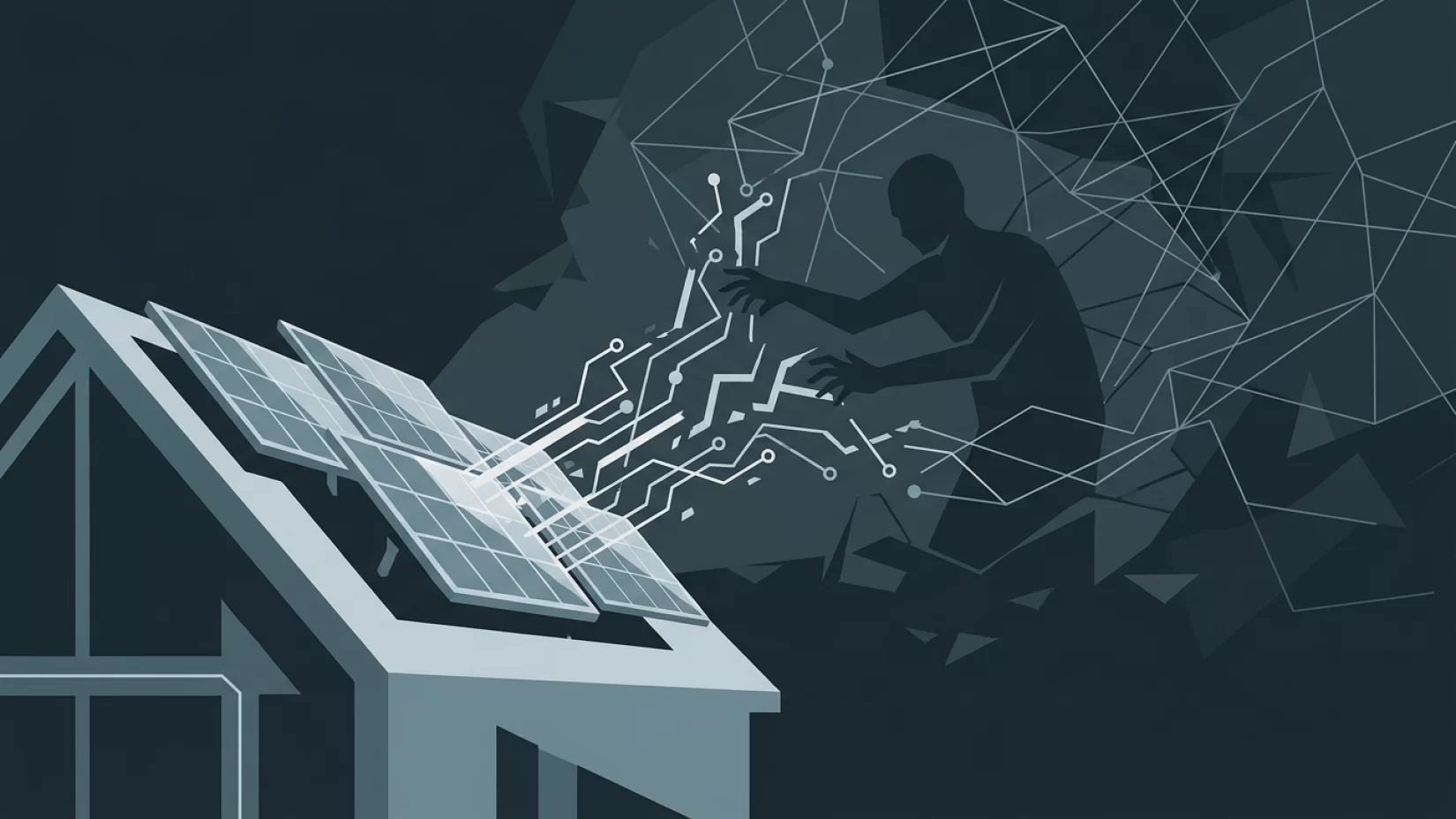
Solar panels used to be simple: panels on the roof, wires to a box, and electricity for your home. Now, with the rise of smart energy systems, most home solar setups include a device called an inverter that connects to the internet. This connection lets you monitor your energy use from your phone, get alerts, and even let your installer fix problems remotely. But there’s a side to this convenience that’s rarely discussed — and it’s starting to matter for millions of homeowners. Some inverters have serious security vulnerabilities, and attackers are already taking advantage. If you have a solar panel system connected to the internet, your home network, your personal data, and even your energy supply could be at risk. This isn’t about scaring you into unplugging your panels. It’s about understanding what’s really happening, what can go wrong, and how you can protect your home without giving up the benefits of solar.
Why Solar Inverters Are Suddenly a Security Headache
Most people don’t realize that the heart of a modern solar system isn’t the panels — it’s the inverter. The inverter turns the sun’s energy into usable electricity and often acts as a bridge to the internet. That lets you track performance, share data with your installer, and sometimes even participate in energy markets. The problem? Many inverters were designed to be connected, but not necessarily to be secure.
In the last two years, security researchers have found critical flaws in several popular inverter brands. In 2023, over 600 SolarView monitoring systems were found wide open on the internet, letting anyone run commands on them. In 2024, six major vulnerabilities in Enphase IQ Gateway devices were discovered, putting millions of systems at risk of remote takeover. Other brands — including Contec and Growatt — have also been flagged for insecure setups and unpatched bugs.
What makes this worse is that many of these vulnerabilities remain unpatched. Some manufacturers only released fixes after security incidents made headlines. Others haven’t fixed them at all, leaving users exposed months or years after the problems were found.
Who Is Actually at Risk?
If your solar inverter connects to the internet — either directly or through your Wi-Fi — you’re potentially affected. This isn’t just a problem for big solar farms or tech enthusiasts. Millions of ordinary homes worldwide use internet-connected inverters from brands like Enphase, SolarView, Growatt, Contec, and others. If your installer set up remote monitoring, or if you use an app to check your solar stats, your system is probably online.
It’s easy to assume that these problems only affect a handful of unlucky users. Unfortunately, that’s not the case. In 2024, a malware attack in Japan targeted about 800 remote monitoring devices at solar power plants, using them as a launchpad for wider fraud. Researchers have shown that a single vulnerability could allow attackers to remotely control millions of home solar systems. The scale is real, and so is the risk.
What Could Actually Go Wrong?
Let’s get practical. What does a security flaw in your solar inverter mean for your everyday life?
- Unauthorized access to your home network: If an attacker takes over your inverter, they might use it as a stepping stone to explore other devices on your Wi-Fi — laptops, cameras, even your smart TV.
- Personal data exposure: Some inverters store or transmit information about your energy use, location, and account details. If these aren’t protected, they could leak to attackers or be sold online.
- Manipulation of your energy system: In rare but serious cases, attackers could turn your system on or off, change settings, or cause it to malfunction. For most homes, that’s an inconvenience. For people relying on solar for critical needs (like medical equipment), it could be more serious.
- Wider cyberattacks: Compromised inverters can be used as part of botnets (large networks of hacked devices) to attack other systems, send spam, or mine cryptocurrency — all using your internet connection and power.
It’s not about your panels catching fire or your lights going out overnight. The realistic consequences are privacy loss, unwanted network activity, and a higher risk of being pulled into larger cyber incidents. And if you ever need to sell your home or transfer your solar system, having an insecure setup could become a liability.
Common Misconceptions: Why Most Homeowners Don’t See the Risk
There are a few myths that keep people from taking these risks seriously:
- "All solar inverters are secure by default." Sadly, many come with default passwords (like "admin/admin") or insecure settings out of the box.
- "Vulnerabilities are rare and only affect big companies." Researchers have found flaws in devices used by ordinary homeowners, and attacks have targeted both small and large installations.
- "If there was a real risk, my installer or the manufacturer would tell me." Most installers aren’t cybersecurity experts, and many manufacturers are slow to communicate about security issues — if they mention them at all.
It’s no surprise that most people assume their solar setup is safe. After all, you bought it from a reputable company, and it works as advertised. But as we’ve seen with other smart home devices, convenience often comes before security — and companies don’t always fix problems quickly.
How to Check If Your Solar Inverter Is Exposed
So, how do you know if your setup is at risk? Here are some practical steps anyone can take, even if you’re not a tech expert:
- Find out your inverter’s brand and model. This information is usually on a label on the inverter itself, in your installation paperwork, or in the app you use to monitor your system.
- Check if it’s connected to the internet. If you use a smartphone app or a website to see your solar stats, your inverter is almost certainly online.
- Search for known vulnerabilities. Look up your inverter’s brand and model along with the words “security vulnerability” or “firmware update.” Pay attention to any recent news or advisories.
- Check your network settings. Log into your home Wi-Fi router (instructions are usually on the bottom of the device or in your ISP’s help pages) and see what devices are connected. If you see your inverter listed, it’s on your network.
- Look for open remote access. Some inverters allow remote access from anywhere in the world. If you don’t need this feature, it’s best to turn it off. Instructions are usually in the inverter’s manual or online support pages.
If any of this feels overwhelming, don’t worry. The most important thing is to start by identifying what you have and how it’s connected. From there, you can take simple steps to improve your security.
Five Steps That Actually Reduce Your Risk
Most security advice is either too technical or too vague. Here’s what works, based on what researchers and experts recommend for real-world protection:
- Change default passwords immediately. If your inverter or its app uses a default login (like “admin” or “password”), change it to something strong and unique. Write it down somewhere safe.
- Update your inverter’s firmware. Firmware is the software that runs on your inverter. Manufacturers release updates to fix bugs and close security holes. Check your manufacturer’s website or app for instructions. If you’re not sure how, ask your installer or a tech-savvy friend to help.
- Disable remote access unless you really need it. Most homeowners don’t need to control their inverter from outside the house. Turning off this feature closes a big door to attackers.
- Segment your home network. If possible, put your inverter on a separate Wi-Fi network from your laptops and phones. Many modern routers let you create a “guest” network for devices like this.
- Ask for help if you’re unsure. If you don’t feel comfortable checking these settings yourself, consider consulting a cybersecurity professional. Some installers are starting to offer security checks as part of their service, but don’t assume they’re doing it by default.
These steps don’t require you to be a tech wizard. They’re about closing obvious gaps and making your system a harder target. Just like locking your front door, you don’t need to make your home impenetrable — you just need to avoid being the easiest house on the block to break into.
What Companies and Installers Should Be Doing (But Often Aren’t)
Let’s be honest: much of this responsibility shouldn’t fall on homeowners. Manufacturers should be designing secure devices from the start, releasing timely patches, and communicating clearly about risks. Installers should be changing default passwords, updating firmware, and educating customers about security basics. Too often, this isn’t happening. Some companies have only issued fixes after being pressured by researchers or after public incidents. Others have left users in the dark about known problems.
If you’re shopping for a solar system or considering an upgrade, ask hard questions about security. Does the manufacturer have a history of issuing timely updates? Do they publish security advisories? Will your installer help you secure your system after installation? If they can’t answer these questions, that’s a red flag.
The Human Side: Stress, Confusion, and Trust
When something goes wrong with a smart device, it’s not just about technology. It’s about the stress of not knowing what’s happening, the confusion of dealing with unfamiliar settings, and the loss of trust in products you rely on. If your solar system gets hacked or starts acting strangely, you might worry about your electricity, your bills, or your privacy. You might feel embarrassed for not knowing more, or angry that no one warned you. These feelings are normal — and they’re exactly why companies should be doing more to protect consumers.
Remember, you’re not alone. Millions of people are in the same boat, and the real solution is better design and support, not expecting every homeowner to become a cybersecurity expert overnight.
Looking Ahead: What This Means for the Future of Smart Homes
Solar panels are just one piece of the smart home puzzle. As more devices connect to the internet — from thermostats to doorbells to cars — the risks and responsibilities will keep growing. The lesson from solar inverters is clear: convenience and connectivity come with trade-offs, and someone needs to be watching out for security. For now, that someone is mostly you. But as consumers get smarter and demand better, companies will have to step up.
If you have a solar panel system, take a few minutes to check its security. It’s not about panic — it’s about being prepared. And if you’re ever unsure, ask questions, demand answers, and remember that your home’s safety is worth protecting, both offline and online.
Risk Level: High (But Manageable With Action)
Given the number of unpatched vulnerabilities, the scale of affected devices, and the fact that attacks are already happening, the risk level for internet-connected home solar inverters is high. That doesn’t mean disaster is inevitable, but it does mean action is needed. With a few practical steps, you can dramatically reduce your exposure and keep enjoying the benefits of solar energy — safely.