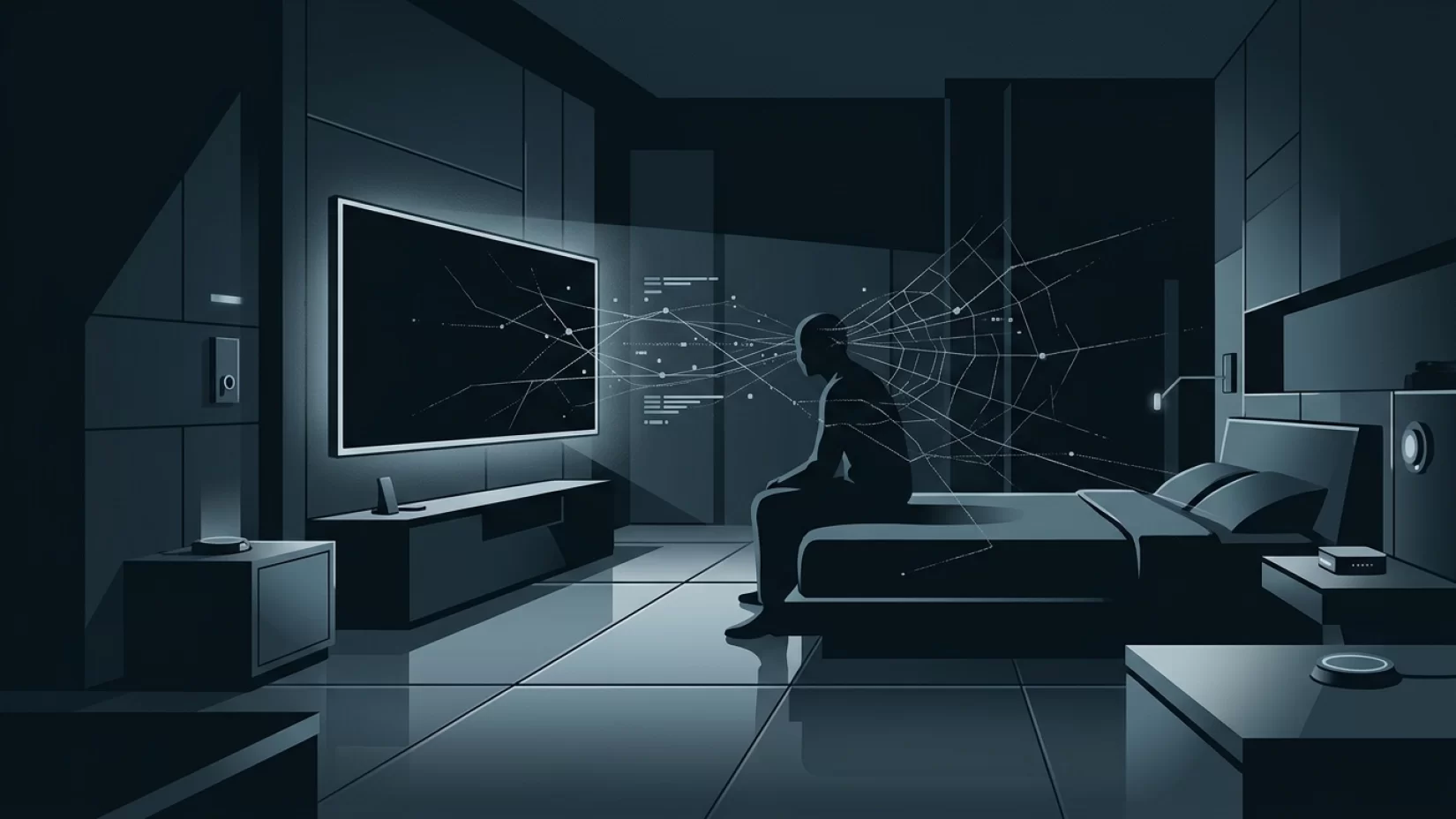
Picture this: you unlock the door to your hotel room after a long journey, drop your bags, and flop onto the bed. Maybe you flip on the smart TV, browse Netflix, or ask the in-room tablet for local restaurant recommendations. It feels like a modern convenience—until you realize these devices might be quietly logging your activity, even remembering your logins, preferences, and what you watched. Now, imagine the next guest in your room. If the hotel hasn’t wiped the device, your personal info could be waiting for them—or, worse, for someone with less-than-honest intentions. This isn’t a distant sci-fi scenario. It’s a real, growing issue thanks to the rise of smart tech in hotels worldwide. Understanding what these devices collect, why it matters, and how to protect yourself can make your next stay far safer and more private.
What Are Hotel Room Smart Devices Actually Doing?
Most modern hotels have jumped on the smart technology bandwagon. That means you’re likely to encounter smart TVs, in-room tablets, voice assistants, and sometimes even sensors that monitor sound or air quality. These devices are designed to make your stay smoother—streaming your favorite shows, controlling the lights, ordering room service, or even helping with check-out.
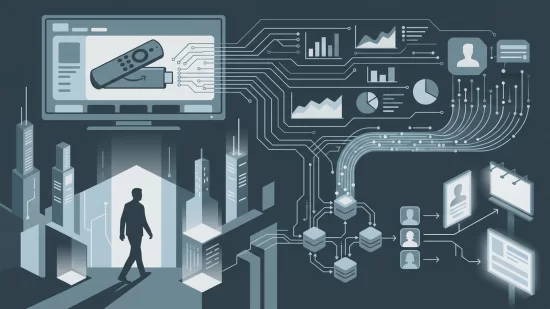
But here’s the catch: to do all that, these devices often collect data. Smart TVs, for example, can log what you watch, when you watch it, and for how long. Some even ask you to sign into your own streaming accounts—Netflix, YouTube, Amazon Prime, and more. In-room tablets might remember your room service orders or browsing history. Voice assistants, like Alexa or Google Assistant, are always listening for their wake word, and in some cases, may retain snippets of audio or recognize distress keywords. HALO smart sensors, recently reported in some Marriott-branded hotels, can even detect sound levels and specific spoken phrases.
Most travelers assume this information is wiped clean between guests. Unfortunately, that’s not always the case. If the hotel’s staff forgets or the system is poorly designed, your data could stick around for the next person—or, in rare cases, be accessed by hotel staff or hackers.
What Information Do These Devices Actually Collect?
- Viewing Habits: Smart TVs record what you watch, when, and sometimes how long you watch it.
- Login Credentials: If you sign into streaming services or apps, your username and (sometimes) password may be stored.
- Personal Preferences: Volume settings, language, favorite channels, and even food orders via in-room tablets can be logged.
- Browsing History: In-room tablets or smart TVs with web browsers may keep records of your searches and visited sites.
- Audio Data: Devices with microphones (like HALO sensors) can listen for distress words or sound levels, raising concerns about accidental recording.
While hotels claim this data is used to personalize your experience, the risk is that it’s not always deleted between guests. Sometimes, it’s just left sitting there, waiting for someone else to stumble across it—or worse, for someone to exploit it deliberately.
Why Millions of Travelers Never Realize Their Data Was Exposed
Most people don’t think twice about logging into Netflix or ordering room service from a hotel tablet. The process feels seamless and secure. But unless you actively check, there’s no obvious sign your information is still on that device when you leave. Unlike your own phone or laptop, you don’t control the settings or get reminders to log out.
In fact, a 2024 study found that many hotel smart TVs and tablets retain guest data unless staff manually reset them. Some hotels have procedures in place, but mistakes happen—especially during busy check-out times or when understaffed. And while hotels are legally barred from installing hidden cameras in guest rooms, microphones in devices like HALO sensors are a gray area and can still make people uneasy.
Because of this, most travelers never realize their data was left behind. The next guest might see your Netflix profile, access your email (if you checked it on a smart TV browser), or even see your food orders. In rare but real cases, a malicious actor could use this information for identity theft or phishing (tricking you into revealing more personal info).
Misconceptions That Put Guests at Risk
- "Hotels always wipe guest data." Many people believe hotels automatically reset devices between guests. In reality, this depends on the hotel’s procedures and staff diligence. There’s no universal standard.
- "Only celebrities or VIPs are targeted." Anyone can be affected. Your Netflix login or email isn’t less valuable just because you’re not famous.
- "There are no microphones or cameras in my room." While hidden cameras are illegal and rare, microphones in smart sensors or voice assistants are increasingly common. They’re supposed to be for safety or convenience, but their presence raises real privacy concerns.
What Could Go Wrong? Realistic Scenarios
Let’s look at a few everyday situations:
- Streaming Account Left Logged In: You sign into Netflix on the hotel TV, forget to log out, and the next guest starts using your account—potentially seeing your watch history or even changing your settings.
- Personal Email Exposed: You check your email on the in-room tablet. If the browser history or cookies aren’t cleared, the next guest could access your inbox.
- Audio Data Concerns: A smart sensor with a microphone picks up snippets of conversation or recognizes distress keywords. Even if it’s not actively recording, the idea of being monitored is unsettling for most people.
- Identity Theft Risk: In a worst-case scenario, a criminal with access to leftover login credentials could use them for phishing, scams, or even to reset passwords on your accounts.
Most incidents are more mundane—like embarrassment if someone orders pay-per-view movies on your account, or confusion when you see unfamiliar shows in your streaming history. But the risk of more serious breaches is real enough to take simple precautions.
Are There Hidden Cameras in Hotel Rooms?
This is a common fear, but let’s be clear: hotels are legally prohibited from installing hidden cameras in guest rooms. Every U.S. state, and most countries, have strict laws against this. That being said, stories do pop up about rogue actors or poorly supervised properties. It’s rare, but not impossible. More often, the concern is about microphones in smart sensors or voice assistants, which are less strictly regulated and more common than most guests realize.
If you’re ever worried, a quick visual inspection of smoke detectors, alarm clocks, and other odd spots can help. But for most travelers, the bigger risk comes from leftover data on smart TVs and tablets—not secret cameras.
Five Steps That Actually Reduce Your Risk
So, what can you do? Here are practical, non-paranoid steps for protecting your privacy every time you check into a hotel room with smart devices:
- Inspect Before You Connect: Before logging into any hotel device, look for a “reset” or “clear data” option in the settings. Some smart TVs and tablets let you wipe previous data or start fresh. If you don’t see an option, ask the front desk for help.
- Use Personal Devices When Possible: Bring your own streaming stick (like Roku or Fire Stick) or portable router. Plug it into the TV’s HDMI port, use your own accounts, and take it with you when you leave.
- Log Out and Clear History: After using any hotel device, log out of all accounts and clear browsing history. On smart TVs, look for “sign out of all accounts” or “reset TV.” On tablets, close all browser tabs and delete cookies if possible.
- Limit What You Share: Don’t check sensitive accounts (like banking or email) on hotel devices unless absolutely necessary. If you must, log out and clear history immediately afterward.
- Check for Unusual Devices: Take a minute to scan the room for odd devices, especially around smoke detectors, clocks, or vents. If you spot something suspicious, report it to hotel management.
What If You Suspect Your Privacy Was Compromised?
If you find yourself in a situation where you think your data was left behind or someone accessed your accounts:
- Change your passwords as soon as possible, especially for any accounts you used on hotel devices.
- Monitor those accounts for unusual activity for a few weeks after your stay.
- If you suspect unauthorized surveillance (like a hidden camera or audio recording), report it to hotel management and, if needed, local authorities.
- Consider using two-factor authentication (a code sent to your phone or email) for important accounts. This makes it much harder for someone to break in, even if they have your password.
Should You Trust Hotel Technology?
Hotels are under pressure to offer the latest tech, but not all of them take privacy seriously. Some chains are starting to implement better procedures—like automatic device resets between guests—but there’s no industry-wide standard yet. Until there is, it’s smart to assume that your data might stick around after you leave. That doesn’t mean you need to avoid using hotel devices altogether, but a little caution goes a long way.
Remember, companies and platforms that cut corners on privacy deserve criticism. If you encounter a hotel that makes it hard to log out or doesn’t seem to care about guest privacy, speak up. Your feedback can push them to do better—not just for you, but for every traveler.
Bigger Picture: The Future of Hotel Room Privacy
The hospitality industry is racing to adopt smart tech, but privacy and security haven’t always kept pace. As more hotels add voice assistants, smart sensors, and connected TVs, the risks grow. Ideally, hotels should adopt “privacy by design”—making sure devices are wiped automatically and data collection is transparent and minimal. Until that’s the norm, travelers need to be their own advocates.
Staying aware, asking questions, and taking small steps to protect yourself can turn a potential privacy headache into just another part of travel. You deserve a comfortable, private stay—no matter how smart your room is.
Risk Level: Moderate
While most hotel smart devices aren’t actively exploited by hackers or criminals, the risk of personal data being left behind—and potentially accessed by strangers—is real and widespread. The consequences can range from mild embarrassment to more serious privacy breaches. With a few proactive steps, you can greatly reduce your exposure and enjoy your stay with confidence, not worry.