It’s supposed to be a break from routine — a cozy Airbnb in the city, a beachside Vrbo, or a countryside retreat. But what if, behind the calm, someone is watching or listening? Smart home devices, including hidden cameras and microphones, have quietly crept into holiday rentals worldwide. For many travelers, the idea that a family dinner, a private conversation, or even a moment of relaxation might be secretly recorded is unsettling. Yet, according to recent studies, nearly half of Americans have stumbled upon a hidden camera in a vacation rental. This isn’t paranoia; it’s a reality shaped by the rise of cheap, easily disguised surveillance gadgets and inconsistent enforcement of platform rules. If you’ve ever wondered whether you’re truly alone in your holiday rental, you’re not alone. Understanding how to spot these devices, what your rights are, and what to do if you find one isn’t just smart — it’s essential. Let’s break down what’s happening, why it matters, and how you can protect your privacy without becoming suspicious of every socket or smoke detector.
Why Smart Devices in Rentals Are a Real Privacy Threat
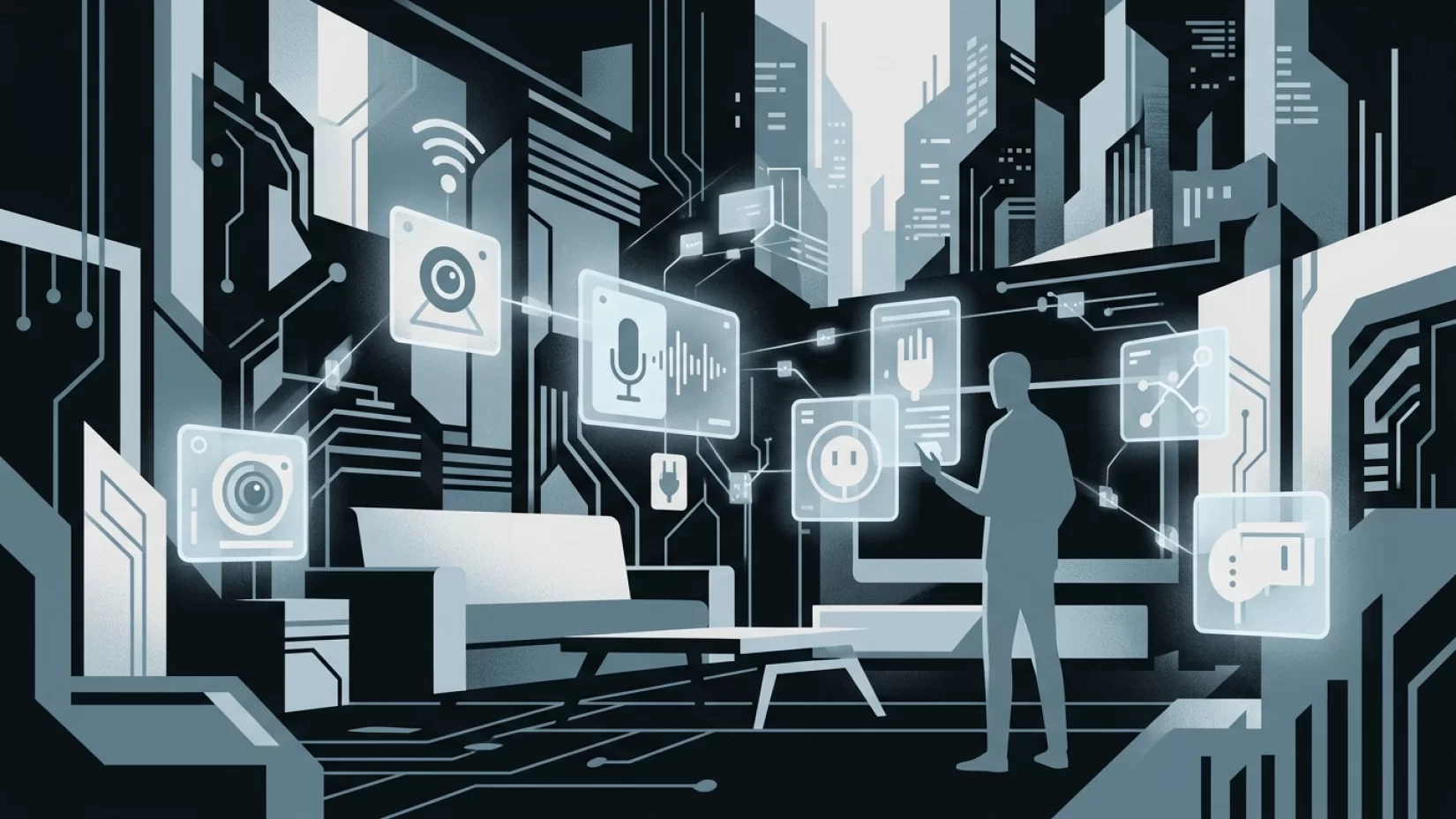
Smart home technology is everywhere — and it’s not all bad. Many hosts use smart locks, thermostats, or speakers to make guests’ stays smoother. But cameras and microphones, whether hidden or in plain sight, are a different story. These gadgets can record conversations, capture video, or even stream live footage, sometimes without any notice to guests. The problem is not just the technology itself, but how easy it’s become for anyone to buy and install these devices without detection.
Airbnb and similar platforms have tried to get ahead of the issue. In April 2024, Airbnb updated its policy to ban all indoor surveillance devices, hidden or not. Yet, enforcement largely depends on guests reporting suspicious devices. There’s no technical check or regular inspection, and some hosts ignore the rules. That means the risk is still very real, regardless of what the terms and conditions say.
Hidden Cameras: More Common Than You Think
It might sound like something out of a spy movie, but hidden cameras in rental properties are not rare. A 2019 survey revealed that 11% of Airbnb guests have found hidden cameras in their rentals. More recently, a staggering 47% of Americans reported discovering some kind of hidden camera in a vacation rental. These numbers aren’t just statistics — they translate to millions of people whose private moments were recorded without their consent.
Real incidents have made headlines. In May 2025, an Arkansas family found a hidden camera inside a smoke detector in their Airbnb. In July 2023, guests in Miami discovered a camera concealed in a light fitting. These aren’t isolated events or urban legends — they’re clear signs that the problem persists, regardless of policy updates or platform reassurances.
Where Are These Devices Hiding? The Usual Suspects
If you think hidden cameras are always clunky or obvious, think again. Today’s surveillance gadgets are designed to blend in. Some of the most common hiding spots include:
- Smoke detectors: Often placed on ceilings, they offer a wide view of the room.
- Alarm clocks: Digital clocks with tiny pinhole cameras are widely available online.
- USB chargers: These can be plugged into any outlet and look completely normal.
- Picture frames: A camera lens can be hidden among decorations or artwork.
- Light fittings: Small cameras can be tucked into lamp fixtures or ceiling lights.
The list doesn’t end there. Some devices are disguised as air purifiers, speakers, or even electrical outlets. The goal is simple: make the camera as invisible as possible, so guests never notice.
Why Millions of Guests Never Realize Their Data Was Exposed
Most people don’t go hunting for hidden cameras when they check into a rental. It’s easy to assume that platforms like Airbnb have your back, or that only luxury rentals would bother with such tech. Unfortunately, both assumptions are wrong. Surveillance devices can show up in any property, regardless of price or location. And unless you know what to look for, you might never notice a thing.
Even if a device is noticed, many guests mistake it for a harmless gadget. Who questions a smoke detector or a digital clock? This lack of awareness is exactly what makes hidden surveillance so effective — and so troubling.
What’s Really at Stake: Human Impact and Consequences
Being recorded without your knowledge isn’t just a technical issue. It’s a violation of trust and privacy. For some, discovering a hidden camera leads to embarrassment, anger, or anxiety. There’s the stress of not knowing what was captured, who might see it, or how it could be used. In some cases, footage has been leaked online or used for blackmail, though these are thankfully rare. More commonly, people simply feel violated and lose trust in the idea of staying in someone else’s home.
There are also practical worries. If a device was connected to the internet, your private moments could have been streamed or stored elsewhere. Even if nothing happened, the uncertainty can cause real psychological distress. That’s why it’s so important to take the issue seriously — not with panic, but with informed action.
Common Myths That Leave Guests Vulnerable
- "Hidden cameras are easy to spot." In reality, many are designed to be invisible to the casual observer.
- "Only expensive or high-tech rentals have surveillance." Cheap, disguised cameras can be installed anywhere, and are often used in budget rentals.
- "Airbnb’s new policy means there’s no risk." Policies are only as strong as their enforcement, and many hosts ignore or are unaware of the rules.
- "If I don’t see a camera, I’m safe." Some cameras are hidden inside everyday objects or placed in less obvious locations.
Believing these myths can lead to a false sense of security. Awareness is the first step to real protection.
How to Scan Your Rental for Hidden Cameras and Smart Devices
You don’t need to be a tech expert or carry a suitcase full of gadgets to check your rental for hidden surveillance. Start with a thorough visual inspection. Here’s what actually works:
- Look for unusual objects: Pay special attention to items that seem out of place or are pointed toward beds, bathrooms, or common areas.
- Check common hiding spots: Examine smoke detectors, alarm clocks, USB chargers, and picture frames for any unusual holes or lenses.
- Use your phone’s flashlight: Turn off the lights and shine your phone’s flashlight around the room. Camera lenses often reflect light back as a small, glassy dot.
- Scan the Wi-Fi network: Download a network scanning app like Fing. These apps show all devices connected to the property’s Wi-Fi. Look for unfamiliar device names or brands that could indicate a camera (e.g., "IPCAM," "NestCam," "D-Link").
- Listen for unusual sounds: Some surveillance devices emit faint clicks or buzzing noises when active.
- Check for infrared lights: Many cameras use infrared for night vision. In a dark room, look for tiny red or purple lights, often around the lens area.
None of these steps is foolproof, but together they make it much harder for hidden devices to go unnoticed. If you’re traveling frequently or especially concerned, hidden camera detector gadgets are available online, but even basic checks can catch the majority of amateur setups.
What to Do If You Find a Hidden Camera or Recording Device
If you do find a device that looks suspicious, don’t tamper with it. Instead:
- Document the device: Take clear photos and videos of the device in its location.
- Leave the device where it is: Don’t unplug, cover, or destroy it. Tampering could complicate any investigation.
- Contact the rental platform immediately: Use Airbnb’s or Vrbo’s emergency contact channels to report the issue. Provide your documentation.
- Report to local authorities: In many places, recording guests without consent is illegal. File a police report for your own protection.
- Request a new accommodation: Most platforms will relocate you and refund your stay if your privacy was violated.
While it’s tempting to confront the host directly, it’s usually safer to let the platform and authorities handle it. Your safety and privacy come first.
Your Rights as a Guest: What Hosts and Platforms Must (and Must Not) Do
Airbnb’s latest policy (as of April 2024) is clear: no indoor surveillance devices, hidden or visible, are allowed in listings. Outdoor security cameras must be disclosed in the listing and cannot be pointed at private spaces like bathrooms or bedrooms. Vrbo and similar platforms have similar rules, but again, actual enforcement varies.
If you find a device, you have the right to report it and demand action. Rental platforms are required to investigate and, in most cases, will remove the listing and penalize the host. Some regions have strict privacy laws that make recording guests without consent a criminal offense. If you feel your rights were violated, don’t hesitate to seek legal advice or contact local consumer protection agencies.
Five Steps That Actually Reduce Your Risk
- Read listings carefully: Look for any mention of cameras, sensors, or smart devices. If something feels off, ask the host directly before booking.
- Do a quick scan on arrival: Take five minutes to check the most common hiding spots and scan the Wi-Fi network.
- Trust your instincts: If a device seems out of place or you feel uncomfortable, don’t ignore it. Document and report any concerns.
- Keep private activities in mind: Use bathrooms or bedrooms for sensitive conversations if you’re unsure about the living areas.
- Report issues immediately: The sooner you alert the platform, the faster you’ll get help and the more likely action will be taken.
What This Means for the Future of Holiday Rentals
The explosion of smart devices in homes has outpaced the rules meant to protect guests. While Airbnb and others have taken steps to ban indoor surveillance, enforcement is still mostly reactive. As long as surveillance tech remains cheap and easy to hide, the responsibility will fall on guests to stay vigilant.
This isn’t a reason to avoid holiday rentals altogether. Most hosts are honest, and most stays are uneventful. But a little knowledge goes a long way. By understanding the risks and taking simple precautions, you can reclaim your privacy — and enjoy your getaway with real peace of mind.
Risk Level: High. Although not every rental is affected, the prevalence of hidden cameras and the severe consequences for privacy make this a high-risk issue for travelers. Stay informed, stay alert, and don’t let negligence — from hosts or platforms — compromise your right to a private stay.