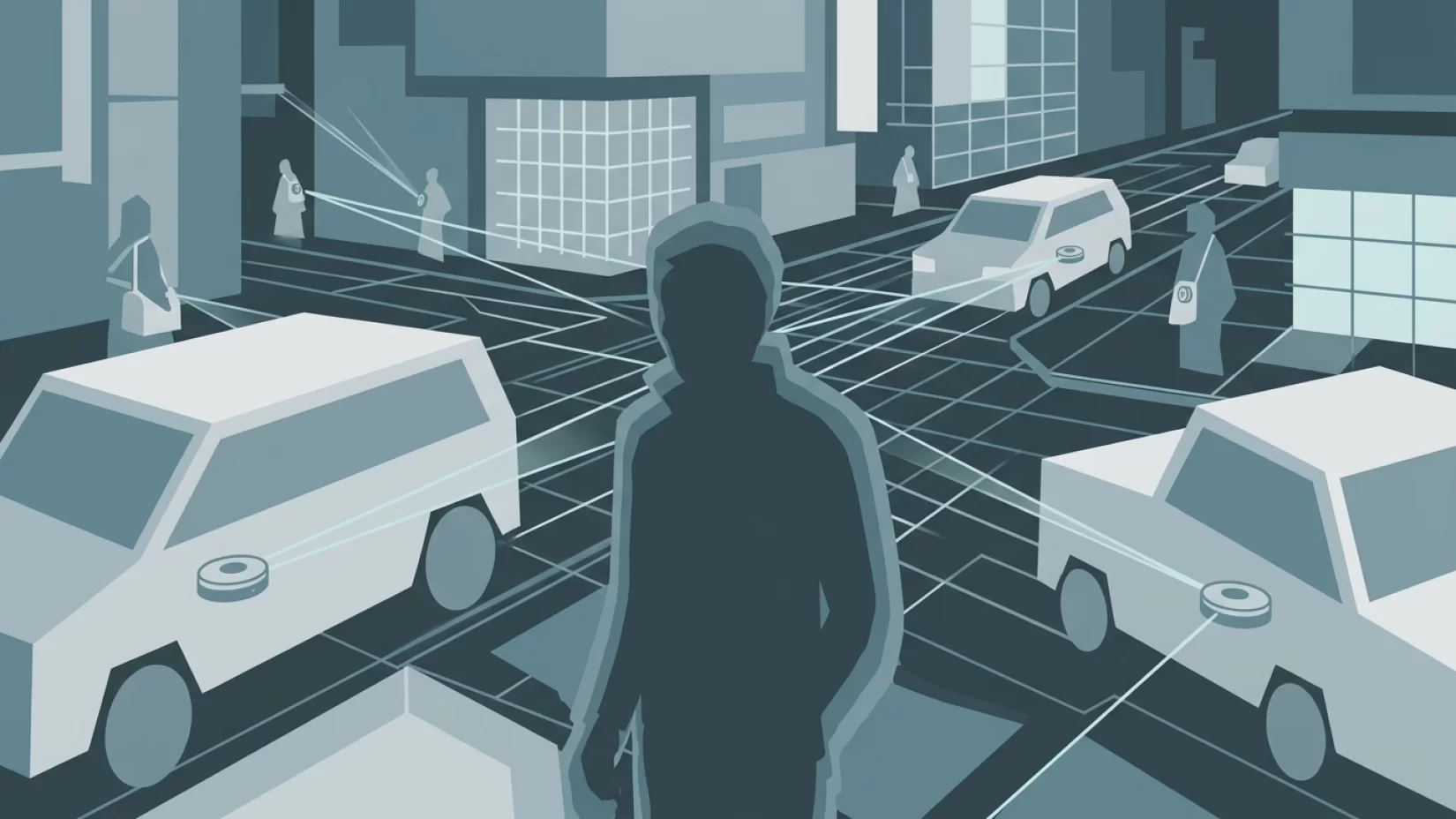
Imagine tossing your bag in the back seat, heading home after a long day, and not giving it another thought. Now imagine that, hidden somewhere in your car or backpack, a tiny device is quietly broadcasting your location to someone you never agreed to share it with. It sounds like something out of a spy thriller, but for thousands of people around the world, it’s become a disturbing reality. Tracking devices—like Apple’s AirTags, Samsung’s SmartTags, and Tile trackers—were designed to help us find lost keys or wallets. Unfortunately, they’ve also become tools for stalking and invasion of privacy. If you use a smartphone, drive a car, or carry a bag, this is a risk you should understand—not to panic you, but to help you stay in control of your own privacy.
Why Small Tracking Devices Are a Big Problem
When Apple introduced AirTags in 2021, the idea was simple: attach a coin-sized tracker to your belongings and never lose them again. Other brands, like Tile and Samsung, quickly followed. These gadgets use Bluetooth (a short-range wireless technology) to help you locate items through your phone. But what happens when someone slips a tracker into your purse or hides one under your car without your knowledge?
That’s exactly what’s been happening. Reports of people—often women—being tracked by ex-partners, strangers, or even criminals have surged since these devices hit the market. In one widely reported case from 2022, two women sued Apple after discovering AirTags were used to stalk them after their relationships ended. Another incident in 2023 involved a man who received an alert on his iPhone, leading him to an AirTag hidden under his car’s wheel well. These aren’t isolated stories; they’re part of a growing trend that’s caught the attention of lawmakers, tech companies, and—most importantly—everyday people who just want to feel safe.
Who’s at Risk? (Spoiler: It’s Not Just Celebrities)
One of the biggest misconceptions is that only high-profile targets, like celebrities or business executives, need to worry about being tracked. In reality, anyone with a car, bag, or even a jacket pocket is a potential target. Stalking with trackers isn’t limited to tech-savvy criminals. It’s often ex-partners, acquaintances, or even strangers who buy a tracker for less than $30 and use it for the wrong reasons.
It’s also easy to underestimate how small and discreet these devices are. Many people assume a tracker would be obvious—something you’d spot right away. In truth, AirTags and similar devices are about the size of a coin and can be slipped into tiny spaces: under a car seat, inside a bag lining, or in a jacket pocket. You might never notice one unless you’re specifically looking for it.
How Tracking Devices Work (and Why They’re Hard to Spot)
Let’s break down how these trackers operate. Devices like AirTags and SmartTags use Bluetooth to connect with nearby smartphones—sometimes yours, but more often anyone’s. When a tracker is near a compatible phone, it quietly sends its location to the tracker’s owner. This is what makes them so effective for finding lost items, but also what enables unwanted tracking.
Some trackers also use the vast network of smartphones (for example, Apple’s Find My network or Tile’s community) to update their location, even if you’re nowhere near your own phone. That means if someone puts a tracker on your car, they can see where you go as long as your route passes by anyone with a compatible phone. The technology is clever, but it’s also worryingly effective in the wrong hands.
To make matters trickier, these devices are designed to be unobtrusive. They don’t beep or light up unless specifically triggered. While Apple and Google have added features to alert users if an unknown tracker is traveling with them, these notifications aren’t perfect and don’t always arrive in time. If you’re not using the latest software, or if the tracker is from a brand your phone doesn’t recognize, you might not get any warning at all.
Signs You Might Be Tracked—And Why Most People Miss Them
Many people assume they’d just know if a tracker was hidden on their belongings. Unfortunately, that’s rarely the case. Here are some signs, but keep in mind, they’re often subtle or absent altogether:
- Unexpected notifications: On iPhones, you might see a message like “AirTag Found Moving With You.” Android phones now have similar alerts for unknown trackers. But these only work if your phone is up to date and the tracker is compatible.
- Strange beeping: Some trackers emit a sound after being separated from their owner for a while. The sound is quiet and may be hard to hear, especially in a noisy environment or if the tracker is hidden well.
- Battery drain or odd Bluetooth activity: In rare cases, your phone’s battery might drain faster if it’s constantly scanning for Bluetooth devices, but this isn’t a reliable indicator.
- Physical discovery: The most reliable way to find a tracker is to spot it during a careful search of your belongings. But unless you know what to look for, it’s easy to overlook.
Most people never realize they’re being tracked until they receive a notification or stumble upon a device by accident. This is why regular checks and awareness are so important.
Common Myths About Tracking Devices—And The Real Risks
Let’s address some of the most persistent myths:
- Myth: "Only hackers or tech geniuses use trackers for stalking." Fact: Anyone can buy and use a tracker. No special skills required.
- Myth: "If I haven’t noticed anything strange, I’m safe." Fact: Trackers are designed to be hidden. Lack of obvious signs doesn’t mean you’re not being tracked.
- Myth: "Trackers are big and easy to spot." Fact: Most are smaller than a car key and can be hidden almost anywhere.
- Myth: "There are no laws against this." Fact: Unauthorized tracking is illegal in many places, and more jurisdictions are passing laws to address this specific issue.
Believing these myths can leave you vulnerable. Understanding the real risks is the first step to protecting yourself.
How Tech Companies and Lawmakers Are Responding
To their credit, Apple, Google, and other major tech companies have recognized the risks and taken steps to help. Both iPhones and Android phones now have features that detect and alert you to unknown trackers moving with you. For example, if an AirTag that doesn’t belong to you is detected nearby for a period of time, your phone should notify you. Android’s latest updates include similar alerts for a wider range of Bluetooth trackers.
Still, these protections aren’t perfect. Some trackers may go undetected if your phone isn’t updated or if the device uses a less common protocol. Also, not all brands cooperate fully with detection efforts, and there’s always a delay between a tracker being placed and a notification being sent.
Legislation is catching up, too. In 2023, states like Indiana and Kentucky passed laws specifically prohibiting non-consensual tracking with devices like AirTags. More regions are expected to follow, but enforcement varies and laws can lag behind technology. If you find a tracker, reporting it to authorities is important—not just for your own safety, but to help build the case for stronger protections.
Five Steps That Actually Reduce Your Risk
If you’re concerned about unwanted tracking, here’s what you can do that truly makes a difference:
- Update your phone’s software. Both iPhone and Android devices need to be running the latest version to receive tracker alerts. Check for updates regularly.
- Enable tracker notifications. On iPhones, this is automatic. For Android, go to Settings > Safety & Emergency > Unknown tracker alerts and turn them on. Some older phones may need a separate app.
- Physically check your belongings. Regularly inspect your car (wheel wells, under seats, glove box), bags, and pockets for unfamiliar devices. Look for anything coin-sized or out of place. If you’re not sure what a tracker looks like, search for images of AirTags, Tile, and SmartTags online.
- If you get an alert or find a tracker, act calmly and quickly. Don’t confront anyone. Remove the device’s battery to disable it (most trackers have a simple twist-off back). Keep the tracker and contact local authorities. They may be able to trace the owner or use it as evidence.
- Talk to people you trust. If you’re worried about being tracked, share your concerns with friends or family. They can help with searches and provide support.
These steps won’t eliminate all risk, but they make you a much harder target and help you respond quickly if something’s wrong.
What To Do If You Find a Hidden Tracker
Discovering a tracker can be unsettling, but don’t panic. Here’s what to do:
- Don’t destroy the device. It may be evidence. Instead, disable it by removing the battery. Most trackers have a simple back cover that twists off.
- Document everything. Take photos of where you found the tracker and the device itself. This could help authorities investigate.
- Contact local law enforcement. Unauthorized tracking is illegal in many places. Police can advise you and may be able to trace the device’s owner.
- Consider your safety. If you feel threatened or unsafe, don’t go home immediately after finding a tracker. Go to a safe location and contact authorities from there.
Remember, you haven’t done anything wrong. The responsibility lies with whoever placed the tracker—not you.
The Human Cost: More Than Just Privacy
The impact of being tracked without consent goes far beyond privacy. People who’ve experienced this often describe feelings of anxiety, stress, and even fear. It can lead to sleepless nights, second-guessing every movement, and a loss of trust in everyday environments. For some, it’s a reminder of a past relationship they’re trying to escape. For others, it’s a violation by a complete stranger.
It’s important to acknowledge these feelings. You’re not being paranoid or overreacting by wanting to protect yourself. Technology should serve us—not make us feel unsafe.
Broader Implications: What Needs to Change
The rise of tracking device misuse is a wake-up call for both tech companies and lawmakers. While recent updates and laws are a step in the right direction, there’s still work to be done. Companies must prioritize user safety over convenience, and governments need to keep pace with new forms of digital harassment. As consumers, we can demand better protections and transparency from the brands we trust.
In the meantime, staying informed and taking practical steps is the best defense. You don’t need to become a security expert, but a little awareness goes a long way. If you ever feel something isn’t right, trust your instincts and take action.
Final Thoughts: Stay Alert, Not Afraid
Tracking devices can be a force for good—helping us find lost bags or keys. But when misused, they pose a very real risk to personal safety and peace of mind. The good news is, with a combination of technology, vigilance, and support from those around you, you can take back control. Update your devices, check your belongings, and never hesitate to ask for help. Your privacy—and your sense of security—are worth protecting.