Imagine your thermostat quietly building a detailed diary of your life: when you wake up, when you leave for work, when you return, and when you settle in for the night. For millions of people using smart thermostats like Nest and Ecobee, this isn’t science fiction — it’s daily reality. These devices promise comfort and energy savings, but they also log the rhythms of your home life, sometimes sharing that information beyond your four walls. Most people never realize how much their thermostat knows, let alone who else might be interested. If you’ve ever wondered what kind of data your smart thermostat collects, who gets to see it, and how you can protect your privacy, you’re not alone. Let’s pull back the curtain on what’s really happening in your hallway or living room, and what you can do about it.
Smart Thermostats: What They Actually Track About You
When you install a smart thermostat, you’re inviting a little observer into your home. These devices are designed to learn your preferences and optimize heating and cooling, but they do that by collecting a surprisingly detailed set of data points. Here’s what they typically log:
- Temperature settings: Every time you adjust the temperature, that’s recorded. Over time, your device learns your comfort preferences and daily patterns.
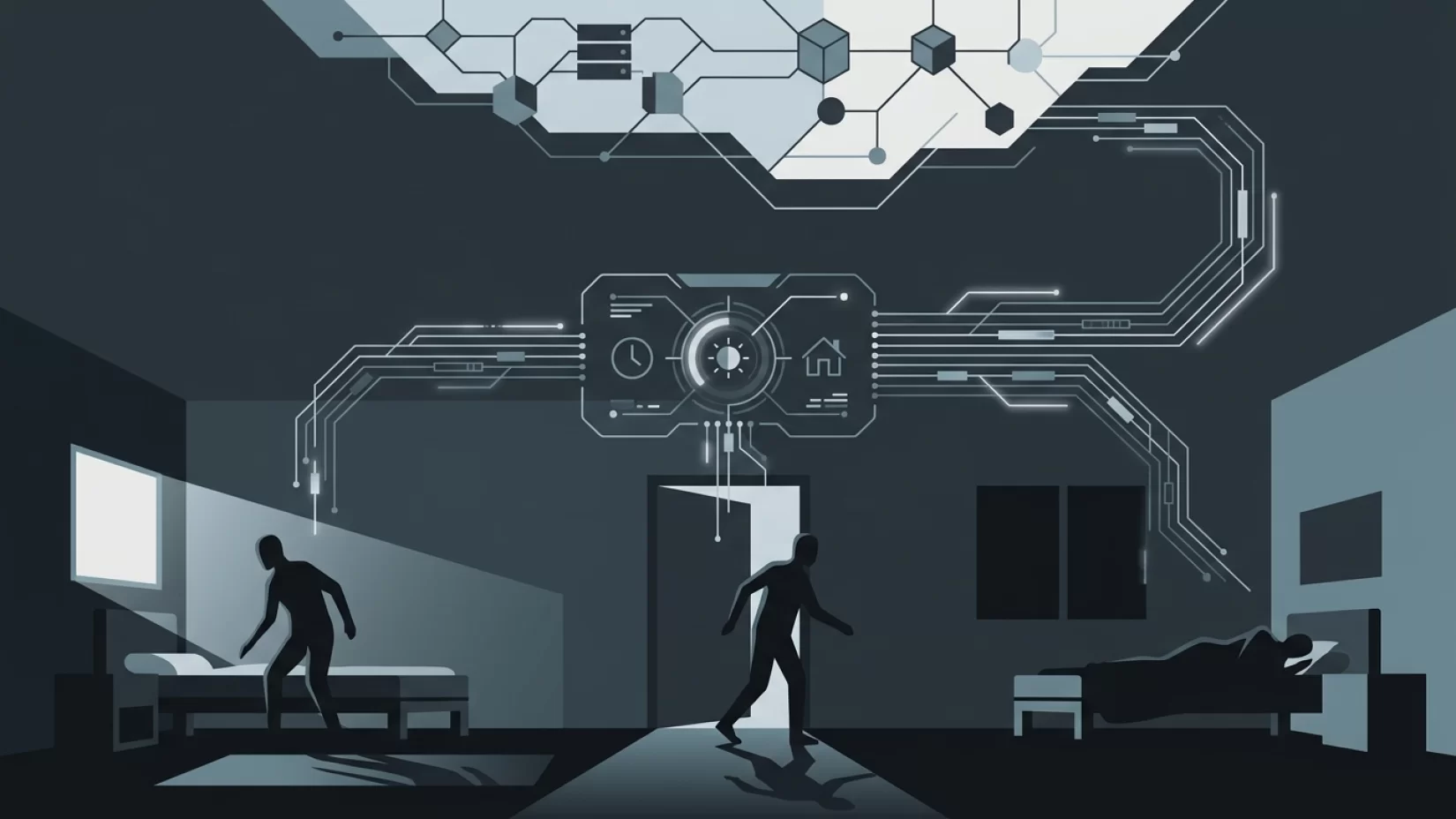
- Occupancy data: Most smart thermostats have motion sensors or use your phone’s location to detect when someone’s home. This means your device knows when you wake up, when you leave, and when you come back.
- HVAC system usage: The thermostat logs when your heating or air conditioning turns on and off, creating a timeline of your home’s activity.
- Manual overrides: If you change the temperature against the device’s recommendations, that’s noted, too.
- Integration with other devices: If you connect your thermostat to a voice assistant (like Alexa or Google Assistant), voice commands and other data points may also be collected.
This information isn’t just about comfort. When combined, it paints a picture of your daily routine — when you’re home, when you’re away, and even when you’re likely asleep.
Why Would Anyone Want This Data?
You might wonder: who cares what time I turn up the heat? It turns out, this kind of information is valuable to a range of companies and organizations:
- Device manufacturers: They use the data to improve their products, optimize energy savings, and sometimes for marketing purposes.
- Utility companies: Some programs let you share data to help manage energy demand across neighborhoods or cities.
- Researchers: Programs like Ecobee’s ‘Donate Your Data’ let users contribute anonymized information to studies about energy efficiency and climate impact.
- Third-party service providers: If you integrate your thermostat with other smart home platforms, those companies may also access your data.
Most manufacturers claim your data is anonymized before being shared. But anonymization isn’t always perfect, and the more data points collected, the easier it can be to connect the dots back to you, especially if combined with other information.
Who Gets to See Your Home’s Private Schedule?
Let’s break down who can access your smart thermostat data and under what circumstances:
- You: You can review your own usage history and energy reports via the thermostat’s app or website.
- Device manufacturer: By default, companies like Nest (owned by Google) and Ecobee collect and store your data to make their products work as advertised.
- Researchers (if you opt in): Ecobee, for example, offers a ‘Donate Your Data’ program for research purposes. Participation is optional.
- Third parties (sometimes): If you connect your thermostat to other platforms (like Alexa or Google Assistant), those companies may receive some data. The integration process often asks for your permission, but many users click through without reading the details.
- Law enforcement (rarely): Like most tech companies, manufacturers may be required to turn over data if served with a legal order. This is rare, but possible.
One notable example of attempted overreach: in 2019, Amazon reportedly pressured Ecobee to share more user data, including information about when people were home. Ecobee refused, citing customer trust. While this is reassuring, it’s a reminder that companies and platforms may not always put your privacy first if there’s a business incentive.
Common Myths: Is Your Data Always Anonymous?
It’s easy to assume that your data is always anonymized — stripped of anything that could identify you personally. While many companies promise this, it’s not a guarantee. Here are two big misconceptions:
- Myth 1: Data is always anonymous and can’t be traced back to me. In reality, anonymization techniques vary, and with enough information, it’s sometimes possible to re-identify individuals, especially if data is combined with other sources.
- Myth 2: Manufacturers never share data with anyone else. While companies like Ecobee say they don’t sell personal data, data can still be shared with third parties for research, utility programs, or when you connect to other services. The line between ‘selling’ and ‘sharing’ can be blurry, depending on the company’s business model and privacy policy.
Don’t assume your data is locked away just because a company claims it’s anonymized or not sold.
Why Millions of Users Never Realize Their Data Was Exposed
Most people don’t read privacy policies or dig into device settings. Smart thermostats are marketed as tools for saving money and energy, not as surveillance devices. As a result, many users simply install the device, connect it to Wi-Fi, and forget about it. Few realize how much personal information is being collected or how it could be used.
Even when data is shared for research or utility programs, users may not understand what they’re opting into. For example, Ecobee’s ‘Donate Your Data’ program is voluntary and described as anonymized, but not everyone reads the fine print. And if you link your thermostat to a voice assistant, you may be sharing more information than you realize — including voice commands and possibly even audio recordings, depending on your privacy settings.
Real-World Consequences: What Could Happen If Your Data Gets Out
So, what’s the worst that could happen if someone gets access to your thermostat data? Here are some realistic scenarios:
- Privacy invasion: If someone could access your home’s occupancy patterns, they’d know when your house is empty — potentially useful information for burglars, though there’s no evidence this is happening at scale.
- Targeted marketing: Companies could use your habits to better target ads or sell you related products and services.
- Loss of trust: If your data is shared or sold without your clear consent, you may feel betrayed or manipulated by a company you trusted.
- Data aggregation: If your thermostat data is combined with information from other smart home devices (lights, cameras, speakers), it could build an even more detailed profile of your daily life.
Most users will never experience a direct attack because of thermostat data. But the broader risk is loss of privacy and control over your own home’s rhythms. That’s not just theoretical — it’s a slow erosion of trust in the devices we rely on every day.
Five Steps That Actually Reduce Your Risk
You don’t need to rip your smart thermostat off the wall. But you can take meaningful steps to protect your privacy and limit what your device shares:
- Review your device’s privacy settings. Go into the app or website for your thermostat (Nest, Ecobee, Sensi, etc.) and look for privacy or data sharing options. Disable any features you’re not comfortable with, especially integrations with third-party services.
- Opt out of data-sharing programs. If your device offers a program like Ecobee’s ‘Donate Your Data,’ you can choose not to participate. If you’ve already opted in and changed your mind, you can usually opt out in your account settings.
- Read the privacy policy — or at least the summary. It’s not fun, but it’s important. Look for sections about data sharing, third-party access, and how your data is stored.
- Be cautious about integrations. Before connecting your thermostat to Alexa, Google Assistant, or other smart home platforms, check what information will be shared and whether you can limit it.
- Update your device regularly. Manufacturers release updates to fix bugs and security issues. Make sure your device is set to update automatically, or check for updates periodically.
These steps don’t take long and can make a real difference in how much of your life your thermostat is allowed to share.
Broader Implications: The Price of a Smarter Home
Smart thermostats are just one piece of the smart home puzzle. As more devices — cameras, lights, speakers, locks — become connected, the amount of data collected about your daily life grows. Each device may seem harmless on its own, but together they can reveal a lot about you and your family.
Manufacturers have made progress on privacy, especially after pushback from consumers and advocacy groups. Ecobee’s refusal to hand over user data to Amazon is a good example of a company standing up for its customers. But not every company will make the same choice, especially if their business model depends on selling or sharing data.
It’s up to all of us to stay informed, ask questions, and push for transparency from the companies we trust with our homes. You don’t need to give up the convenience of smart devices, but you do deserve to know what you’re trading in exchange for that convenience.
Final Assessment: Should You Be Worried?
Smart thermostats offer real benefits, but they do come with privacy trade-offs. For most people, the risk isn’t that someone will break into your house because of your thermostat data. The bigger concern is losing control over your personal information and not knowing who’s watching the rhythms of your daily life.
With a little effort, you can keep your smart thermostat working for you — not for marketers, researchers, or anyone else who doesn’t belong in your home’s private diary. Stay curious, stay cautious, and don’t be afraid to demand better privacy from the companies you trust with your comfort.