Let’s be honest: remembering dozens of passwords is a headache. Most of us have felt that sinking feeling when a website asks for a password we set months ago. So, it’s not surprising that nearly 8 out of 10 people reuse passwords across accounts, according to a 2024 Bitwarden survey. But there’s a hidden cost to this convenience—a cost that can ripple through your digital life in ways most people never imagine. If you think one strong password is enough, or if you’ve ever shrugged off the idea of unique passwords for every account, this is for you. Understanding why password reuse is the single most damaging security habit isn’t about shaming anyone. It’s about protecting yourself from a threat that has quietly become one of the biggest dangers in our connected world.
Why Password Reuse Is So Tempting—And So Dangerous
Almost everyone struggles with password overload. The average person has dozens, sometimes hundreds, of online accounts. Between email, banking, shopping, social media, streaming, and work logins, it’s easy to see why 69% of people feel overwhelmed by the number of passwords they need to remember (Bitwarden, 2024). The natural response? Pick a strong password and use it everywhere—or at least across your most important accounts.
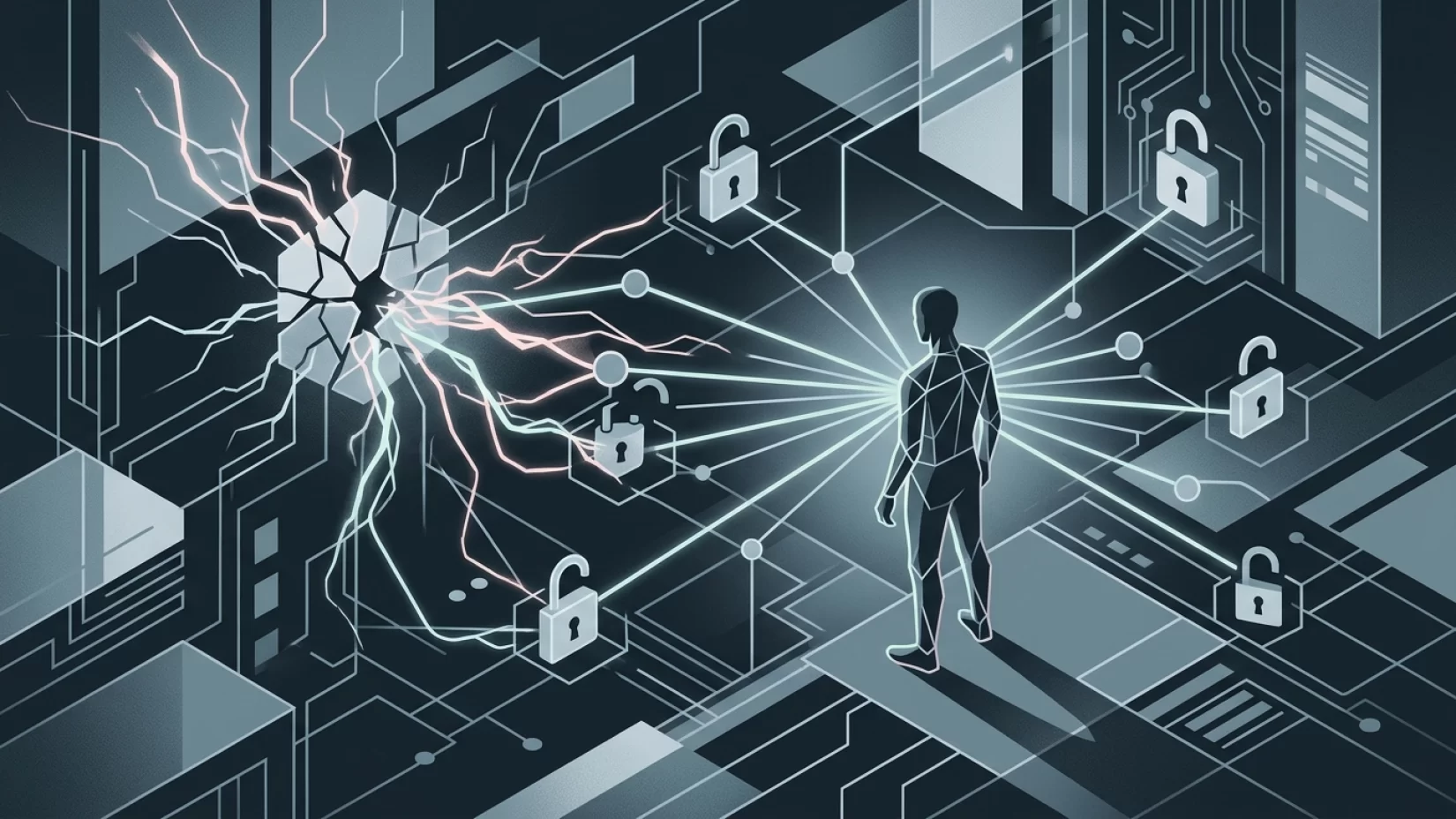
Unfortunately, this shortcut is exactly what cybercriminals are counting on. When you reuse passwords, you turn a single point of failure into a domino effect. One breach anywhere—no matter how small or obscure the website—can grant attackers a master key to your digital life. It’s not just a theory: a 2026 Cybernews analysis of over 19 billion leaked passwords found that a staggering 94% were reused or duplicated across accounts.
How One Breach Turns Into Many: The Domino Effect Explained
Imagine you use the same password for your email, your favorite shopping site, and your streaming service. The shopping site suffers a data breach, and your login details are stolen. Hackers now have your email address and password. What happens next?
- Credential stuffing: Cybercriminals use automated tools to try the stolen password on every major site—email, banks, social media, cloud storage. This is called credential stuffing. It’s fast, cheap, and works surprisingly often because so many people reuse passwords.
- Email account takeover: If your email uses that same password, attackers can reset passwords for other accounts, read sensitive messages, and impersonate you.
- Financial and identity theft: If your banking or PayPal account shares the password, your money and identity are at risk. Even if you think your bank has strong security, attackers can use your compromised email to bypass some protections.
- Widespread exposure: Once inside, criminals may find saved documents, tax returns, or personal photos. They can blackmail, scam your contacts, or sell your information on dark web markets.
It only takes one weak link—a forgotten account, a niche forum, or an old shopping site—for this chain reaction to begin. And with billions of credentials floating around from years of breaches, it’s not a hypothetical risk. It happens every day.
Why Millions Of Users Never Realize Their Data Was Exposed
Most people don’t even know when their passwords are stolen. Many breaches aren’t reported for months or years. Sometimes, companies never admit a breach happened at all. And even when you get a notification, it’s easy to ignore, especially if it’s for a site you barely use.
But attackers don’t care how important the site was to you. They care about whether you reused that password elsewhere. Your old password from a years-ago fitness app could be the key to your email, social media, or even your bank account today. That’s why password reuse is so dangerous: it turns small leaks into major floods.
Misconceptions That Make The Problem Worse
- "My password is strong, so I’m safe." Strength doesn’t matter if you reuse it. Once it’s leaked, it’s out of your control.
- "I only reuse passwords for unimportant accounts." Attackers use those accounts as stepping stones to more valuable ones. Many people forget which accounts share passwords, or underestimate how much personal info is stored even in "unimportant" places.
- "Password managers aren’t safe." Some worry that storing passwords in one place is risky. In reality, reputable password managers use strong encryption, and there are no verified cases of a major password manager being breached and exposing user vaults. The real danger is not using one and relying on memory or unsafe notes.
- "I’d know if someone used my password." Most breaches are silent. Criminals often access accounts without triggering alerts, quietly gathering information before taking obvious actions.
Real-World Consequences: Not Just Hypothetical
The risks aren’t just theoretical. In 2025, a single reused password led to a healthcare breach that exposed 14 million patient records. The password belonged to a staff member who used it for both work and personal accounts. Attackers found it in a previous breach, used it to access the hospital’s system, and the fallout affected millions of people—patients who had no idea their information was at risk due to someone else’s password habit.
For individuals, the consequences are often financial and emotional. Imagine waking up to find your bank drained, your social media hijacked, or your email full of password reset requests. Victims often feel embarrassed, anxious, and overwhelmed by the process of regaining control. Some never fully recover their accounts or their peace of mind.
Why Companies and Platforms Don’t Protect You From This
It’s easy to assume that big companies have your back. Unfortunately, most platforms can’t protect you from password reuse. Even if a site uses strong security, if you reuse the same password elsewhere and that other site gets breached, your account is still at risk. Companies may offer two-factor authentication or alert you to suspicious logins, but these are last lines of defense, not solutions.
Some companies have been slow to adopt even basic protections, and many still don’t require unique passwords or offer easy-to-use security features. Ultimately, the responsibility falls on you, the user, to break the cycle of reuse.
Five Steps That Actually Reduce Your Risk
- Start using a password manager. These tools generate and store unique, complex passwords for every account. You only need to remember one strong master password. Popular options include Bitwarden, 1Password, and LastPass. Most are easy to set up and work across devices.
- Enable multi-factor authentication (MFA) wherever possible. MFA adds a second step—like a text message code or an app notification—to logins, making it much harder for attackers to access your accounts even if they have your password.
- Prioritize your most important accounts first. Start with email (which is often the gateway to everything else), banking, and social media. Change reused passwords on these accounts immediately.
- Don’t ignore breach notifications. If you get an alert that your account was involved in a data breach, change your password right away. Use a unique password that you haven’t used anywhere else.
- Regularly review your accounts. Check which accounts you use and close old or unused ones. The fewer accounts you have, the less you have to manage (and the less risk you carry).
Managing Passwords Doesn’t Have To Be Overwhelming
The idea of changing dozens of passwords can feel impossible. But you don’t have to do it all at once. Start with your most valuable accounts, and use a password manager’s import feature to help organize the rest. Many password managers will even alert you to reused or weak passwords, making it easier to spot problems and fix them over time.
It’s also worth remembering that you’re not alone. Nearly everyone has struggled with password habits. What matters most is taking the first step—however small—toward better security. Even changing a few key passwords can make a huge difference.
Broader Implications: Why This Problem Isn’t Going Away
As long as password reuse remains common, attackers will keep using credential stuffing and similar tactics. The more accounts you have, the more likely you are to reuse passwords—even if you know better. Companies and platforms are slowly moving toward passwordless logins and stronger authentication, but we’re not there yet. Until then, the best defense is your own habits.
If you’ve ever wondered why data breaches seem to keep happening, or why your email or bank suddenly locks you out, password reuse is often the hidden culprit. It’s a problem that affects everyone, not just tech experts or big companies. Protecting yourself doesn’t require perfection—just a willingness to break the habit.
Confidence, Not Fear: Taking Control Of Your Digital Life
It’s easy to feel powerless in the face of constant security warnings. But the truth is, you have more control than you think. By understanding the real risks of password reuse and taking practical steps, you can dramatically reduce your chances of being caught in the next big breach. You don’t need to be a security expert—just a little more mindful than the average internet user. And that’s enough to make hackers’ jobs much, much harder.
So, if you’ve been reusing passwords, don’t beat yourself up. Start with one account, then another. Use the tools available to you. And remember: every unique password is a locked door that only you have the key to. That’s real digital confidence.