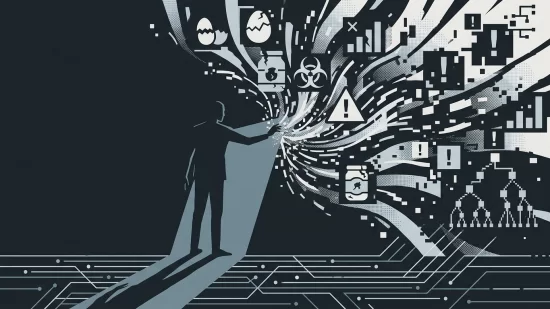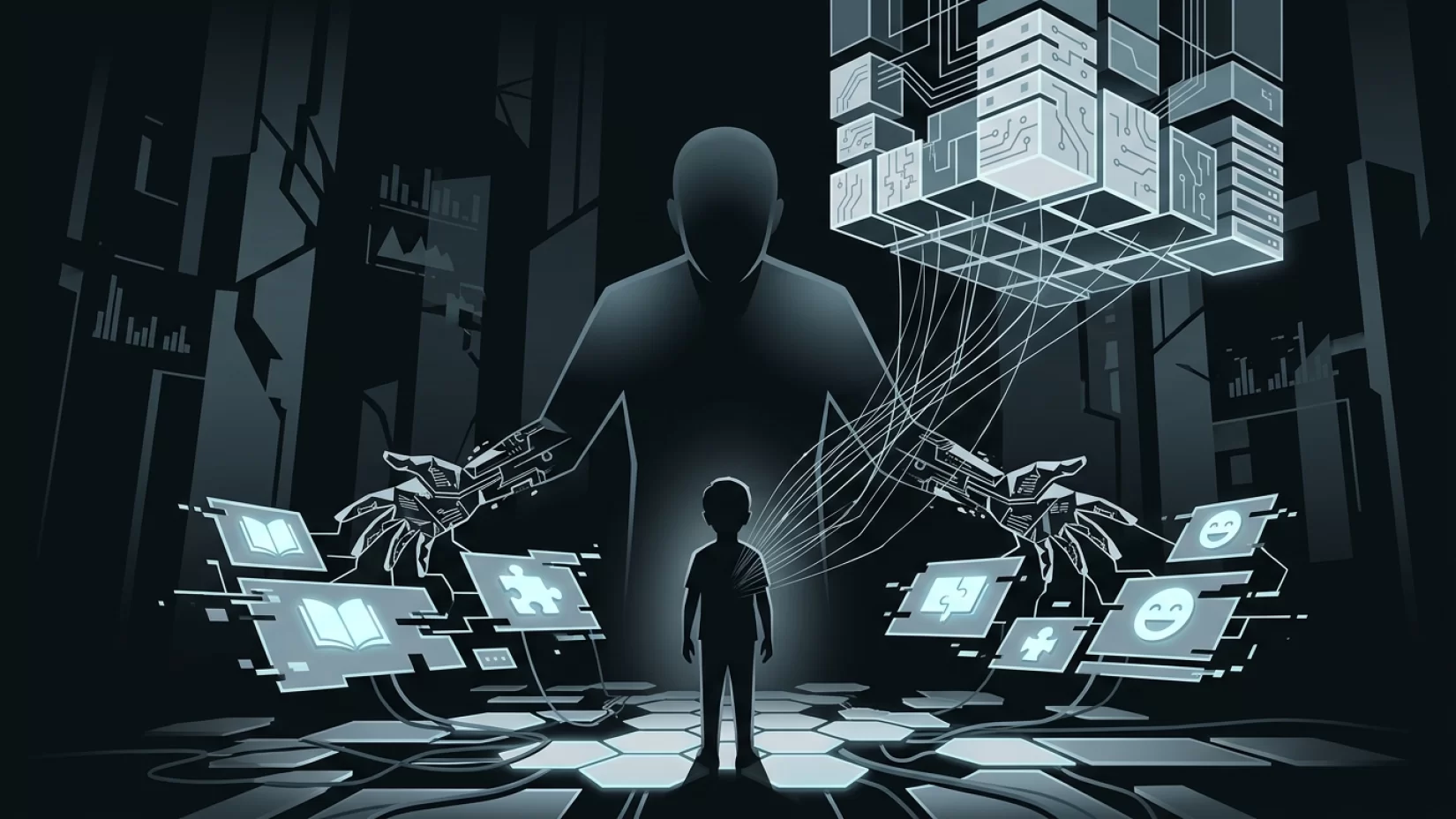
It’s easy to assume that educational apps for kids are a safe bet. After all, what could be wrong with a math game or a colorful reading app? But as AI technology becomes more sophisticated, a new and troubling trend is emerging: fake educational apps, powered by artificial intelligence, are targeting children. These apps often look legitimate on the surface, but many are designed to collect personal data, expose kids to inappropriate content, or even cause psychological harm. If you’re a parent, grandparent, or anyone who cares for children, this is not a threat to ignore. The consequences are real—kids’ privacy, safety, and trust are on the line. Understanding how to spot these fakes and protect your family is more important than ever.
Why Fake Educational Apps Are Spreading So Fast
AI has made it easier than ever to create apps that look polished and convincing, even if they’re hiding something sinister. Unlike the early days of app stores, where making a slick app required a team of experts, today’s AI tools can generate educational games, quizzes, and interactive stories in minutes. This means bad actors can churn out dozens of fake apps quickly, flooding app stores and online platforms with products that appear helpful but are actually designed to take advantage of children’s trust.
Why target kids? Children are especially vulnerable online. They’re curious, less likely to spot red flags, and often eager to try new things. Many parents trust that an app labeled “educational” is safe—sometimes without a second thought. Unfortunately, this trust is being exploited by developers who care more about data collection or ad revenue than children’s well-being.
What Makes an App a "Fake" Educational App?
Let’s be clear: not every app with a few bugs or limited features is dangerous. A fake educational app is one that is intentionally deceptive. It might:
- Pretend to offer learning content, but instead bombard kids with ads or push them toward paid features.
- Collect personal data (like names, ages, locations, or even photos) without proper consent, often for advertising or resale.
- Use AI to generate educational content that is inaccurate, inappropriate, or even harmful—sometimes slipping in explicit material or misinformation.
- Encourage children to interact with strangers or share information that should remain private.
Some of these apps are outright scams. Others are just careless, built by people who don’t understand—or don’t care about—children’s safety or privacy.
Real-World Incidents: When "Learning" Becomes Dangerous
This isn’t just a theoretical risk. In 2023, the FTC took action against Edmodo, a major education platform, for unlawfully collecting children’s personal information for advertising. Edmodo’s case is just one example of how even well-known brands can cross the line when it comes to privacy.
Worse still, a 2024 report found that 15% of high school students had encountered AI-generated explicit images involving their peers. While not all of these incidents started with fake educational apps, the technology and tactics are similar. AI can create convincing, but deeply inappropriate, content in seconds—and children are often the ones who stumble across it.
Studies also show that a staggering 96% of school-related apps share student data with third parties. That means nearly every app a child uses for learning could be quietly sending personal information to advertisers, data brokers, or even unknown entities.
Why Millions Of Users Never Realize Their Data Was Exposed
One of the most dangerous aspects of fake educational apps is how quietly they operate. Most parents never receive a warning when data is collected or shared. There’s rarely an alert, no pop-up, and certainly no apology. Instead, children’s names, ages, browsing habits, and even voice recordings can be whisked away to servers around the world—sometimes sold to the highest bidder.
Even when an app is removed from an app store, the damage is often done. Data, once collected, is nearly impossible to retrieve or erase. Many families only learn about a privacy breach after the fact, if at all.
Misconceptions That Make Kids Vulnerable
- "If it’s in a trusted app store, it must be safe." Unfortunately, app stores don’t catch everything. Automated reviews can miss hidden dangers, and some apps slip through with fake reviews or misleading descriptions.
- "AI-generated content is always accurate and appropriate." AI can create realistic-looking learning materials, but it doesn’t understand context or age-appropriateness. Without human oversight, mistakes and even dangerous content can appear.
- "Parental controls are enough to keep my child safe." While helpful, parental controls can’t spot every risk. They don’t always block data collection or filter out all inappropriate content—especially if an app is designed to evade them.
These misconceptions are understandable. App stores want you to feel safe, and AI is marketed as a miracle solution. But relying on these assumptions can leave children exposed.
Spotting Red Flags: What To Check Before Downloading Any Kids’ App
So, how can you tell if an educational app is safe or a cleverly disguised fake? Here are warning signs and practical steps to help you make informed choices:
- Check the developer’s reputation. Search for the company or individual who made the app. Do they have a history of making children’s products? Are there independent reviews from real users or trusted publications?
- Read the privacy policy—yes, really. A legitimate app should have a clear, easy-to-read privacy policy that explains what data is collected, why, and how it’s used. Be wary of vague or missing policies.
- Review app permissions before installation. Does a math game really need access to your child’s microphone, camera, or contacts? Unnecessary permissions are a red flag.
- Look for age-appropriate content warnings. Trusted apps will be upfront about age recommendations and content. If an app’s description is generic or overpromises, be cautious.
- Watch for excessive ads or in-app purchases. Apps that constantly push your child to buy upgrades or watch ads are often more interested in profit than education.
Remember, if something feels off—trust your instincts. Take a few minutes to research before handing over your child’s attention and data.
Five Steps That Actually Reduce Your Risk
- Stick to established brands and recommendations. Whenever possible, use educational apps recommended by your child’s school, teachers, or well-known educational organizations. Avoid random downloads from app stores or ads.
- Use parental controls and device restrictions. Set up device-level controls to limit app installations and monitor what’s being downloaded. Regularly review your child’s installed apps together.
- Educate your child about online privacy. Talk openly about why it’s important not to share personal information online, even with apps that seem friendly or educational.
- Regularly review app permissions and privacy settings. Go through your child’s apps every few months and remove any that ask for unnecessary permissions or haven’t been used in a while.
- Report suspicious apps. If you find an app that seems unsafe or deceptive, report it to the app store and relevant authorities. Your action can help protect other families.
Human Impact: Beyond Privacy, The Cost Is Trust
When a child’s data is leaked or they’re exposed to harmful content, the effects go beyond technical jargon. Children may feel embarrassed, anxious, or confused by what they encounter. Parents can struggle with guilt or frustration, wondering how to rebuild trust and keep their kids safe in a world that changes faster than any of us can keep up with.
There’s also a risk of decision fatigue—constantly second-guessing every download or online activity. This can lead to stress for both parents and children, making it tempting to give up or tune out. But staying engaged, even in small ways, is one of the best defenses against these threats.
Why Regulation Alone Won’t Save Us (Yet)
Some people hope that government action will solve this problem. While regulation is important, it’s often slow to catch up with new technology. The FTC’s action against Edmodo is a step in the right direction, but there’s no universal solution or quick fix. Many AI-generated fake apps operate from overseas or use tactics that slip through legal loopholes.
Until laws are stronger and enforcement is more consistent, parents and guardians are the first—and sometimes only—line of defense. That can feel unfair, but it’s the current reality.
Looking Forward: Building Digital Confidence, Not Fear
It’s easy to feel overwhelmed by the risks. But knowledge is power. By understanding the tactics behind fake AI educational apps and taking a few practical steps, you can dramatically reduce your child’s exposure to harm. Don’t be afraid to ask questions, demand better from app developers, and push for transparency from schools and technology providers.
Every family’s situation is different, but the basics remain the same: stay curious, stay skeptical, and stay connected with your child’s digital life. It’s not about paranoia—it’s about building the confidence to navigate a world where technology can be both a powerful tool and a potential threat.
Fake educational apps powered by AI are a real and growing risk, but with awareness and action, you can keep your child safer and more empowered online. If you ever feel unsure, reach out to trusted resources, talk to other parents, and don’t hesitate to walk away from any app that doesn’t feel right. Your child’s privacy and well-being are worth it.