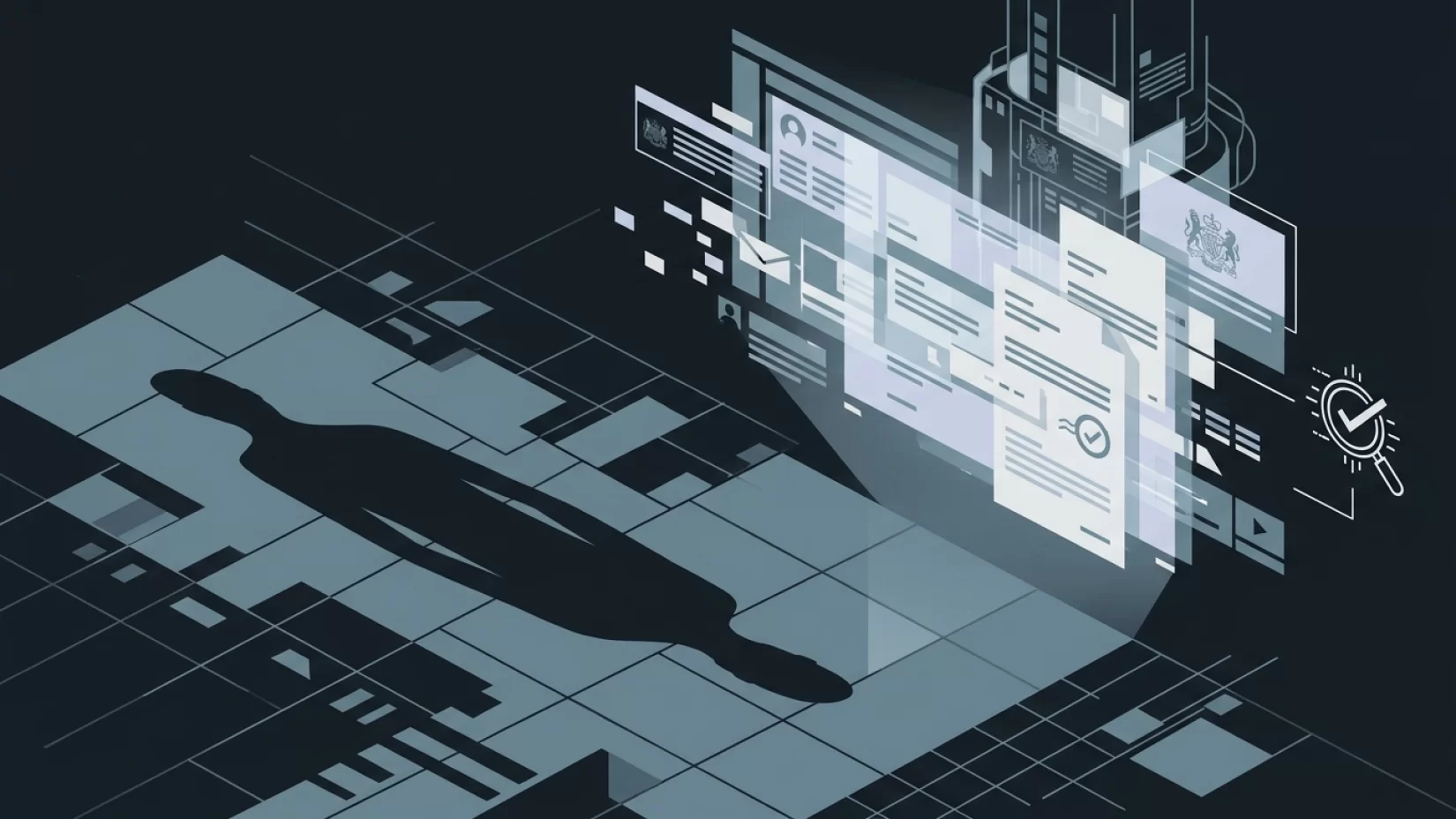
Imagine this: You get a call that sounds exactly like your country’s tax authority. The voice on the other end is calm, official, and even uses your full name. They say there’s a problem with your taxes—or maybe they warn about an immigration issue—and urge you to act fast. Or perhaps an email lands in your inbox, complete with the right logo, an official-looking signature, and a stern warning about urgent action. It feels real. But it isn’t. Increasingly, these messages aren’t just clumsy scams—they’re powered by artificial intelligence (AI), making them more convincing than ever before. And the stakes? Your money, your identity, your peace of mind.
This isn’t just a problem for a handful of unlucky people. Millions worldwide are being targeted, from students and families to remote workers and retirees. The technology that makes these scams possible is advancing fast, outpacing many people’s ability to spot the fakes. That’s why knowing how to verify any message that claims to be from a government agency or tax authority is now an essential skill—one that can make all the difference between staying safe and becoming a victim.
Why AI-Generated Government Scams Are Surging
Until recently, most scam messages from supposed tax offices or immigration authorities were easy to spot. They were riddled with typos, odd phrasing, or came from suspicious-looking email addresses. But AI has changed the game. Now, scammers can use AI tools to generate flawless emails, highly realistic voice messages, and even mimic the writing style of official government communications.
According to the IRS, AI-generated robocalls have become so common—and so effective—that they’re now listed among the top tax scams to watch for. The FBI has also flagged a rise in AI-powered voice messages impersonating senior officials. These aren’t just U.S. problems, either. Similar scams are popping up globally, targeting anyone with a smartphone, email account, or social media presence.
What makes these scams so dangerous? AI can pull personal information from public sources or previous breaches, making messages feel tailored and urgent. Some even use AI-generated voices that sound eerily human—no more robotic monotone. The result: people are more likely to believe what they hear or read, and more likely to act before thinking.
Why Millions of Users Never Realize Their Data Was Exposed
One of the most unsettling parts of these scams is how quietly they work. Many people never even realize they’ve handed over sensitive information until it’s too late. Maybe you replied to a convincing email with your Social Security number, or clicked a link and entered your password on what looked like an official site. The consequences might not show up immediately, but weeks or months later you could face identity theft, drained bank accounts, or fraudulent tax filings in your name.
Because AI-generated scams are so convincing, even careful people can be fooled. It’s not about being gullible—it’s about facing technology designed to outsmart human instincts. And since these scams can be delivered through so many channels (email, phone, text, social media), almost anyone can be targeted, regardless of age or tech-savviness.
Common Misconceptions About AI Government Impersonation Scams
- "I can always tell when a message is fake." Not anymore. AI can mimic official language, create realistic-looking emails, and even generate voices that sound like real officials. The old clues—bad grammar, strange formatting—aren’t always present.
- "Only older adults or people who aren’t tech-savvy get scammed." In reality, these scams target everyone. Students, professionals, and even cybersecurity enthusiasts have fallen victim because the technology is designed to trick all of us.
- "If a message uses my real name and details, it must be legitimate." AI tools can scrape your name, address, or other details from public records or past data breaches. Personalization is no longer a guarantee of authenticity.
- "Government agencies always contact people by phone or email." Many official agencies use secure online portals or postal mail for sensitive issues. Unsolicited calls, emails, or texts demanding urgent action are almost always a red flag.
Real-World Examples: Tax Season and Beyond
Let’s look at what’s actually happening. In April 2025, the IRS warned about a surge in AI-generated robocalls. These calls claimed taxpayers were eligible for a special status—"currently not collectible"—and pushed recipients to call back or provide information immediately. The voice sounded official, the language was precise, and the sense of urgency was high. Many people, understandably, took it seriously.
Just a month later, the FBI issued a warning about AI-generated voice messages impersonating senior U.S. officials. These weren’t just random robocalls—they were part of targeted campaigns aimed at tricking people into handing over account credentials or personal data. The messages often referenced real events or deadlines, making them even more believable.
These examples aren’t limited to the U.S. Similar tactics have been reported in the UK, Canada, Australia, and elsewhere. The pattern is the same: a message that appears to come from a trusted authority, amplified by AI to sound and look legitimate, and a request for urgent action.
What Makes AI-Generated Scams So Convincing?
AI brings several new tricks to the scammer’s toolkit:
- Flawless Language: AI can generate messages with perfect grammar, spelling, and tone, matching the style of real government communications.
- Personalization: By pulling details from public sources or previous breaches, AI can tailor messages to include your name, address, or even recent activities.
- Realistic Voices: AI voice cloning means phone calls can sound exactly like a real official, complete with pauses, inflections, and even background noise.
- Urgency and Fear: Messages often warn of dire consequences—arrest, fines, loss of benefits—if you don’t act immediately. This pressure is designed to override your skepticism.
- Multiple Channels: Scams can come via email, phone, text, or even social media, making them harder to avoid and easier to fall for.
Signs a Message Might Be an AI-Generated Scam
While AI scams are getting better at hiding their tracks, there are still warning signs you can look for. Here are some red flags:
- Unsolicited contact: You get a message out of the blue, especially one demanding urgent action or payment.
- Requests for sensitive information: Legitimate agencies rarely ask for personal details or payment information via email, phone, or text.
- Pressure tactics: Threats of arrest, legal action, or loss of benefits if you don’t respond immediately.
- Suspicious contact details: Emails from addresses that don’t end in .gov (or your country’s official domain), phone numbers that can’t be verified, or links to unfamiliar websites.
- Instructions to click a link or download an attachment: These are common ways to steal information or install malware (malicious software designed to damage or spy on your device).
- Too-good-to-be-true offers: Promises of unexpected refunds, benefits, or prizes from government agencies are almost always scams.
Five Steps That Actually Reduce Your Risk
Here’s what you can do—practically and realistically—to protect yourself and your family from AI-powered government impersonation scams:
- Pause and assess before responding. If you get a message (call, email, text, or social media DM) claiming to be from a government agency, don’t rush. Scammers rely on panic and urgency. Take a breath, and don’t act immediately.
- Verify the sender’s details. Official government emails usually end in .gov or your country’s equivalent. If it’s a phone call, hang up and look up the agency’s official contact information yourself—never use the number provided in the message.
- Don’t click links or download attachments. Even if a message looks official, avoid clicking on any links or downloading files. These can lead to fake websites or install malware on your device.
- Contact the agency directly. Use the contact information from the agency’s official website (not what’s in the message) to ask if the communication is real. Most agencies are aware of these scams and can confirm authenticity.
- Report suspicious messages. If you receive a message you suspect is fake, report it to your country’s consumer protection agency, the FTC, or the Internet Crime Complaint Center (IC3). This helps authorities track and stop scams.
What If You’ve Already Responded?
First, don’t blame yourself. These scams are designed to trick even the most careful people. If you’ve shared personal information or clicked a suspicious link, take these steps:
- Change your passwords immediately, especially for any accounts that might be affected.
- Contact your bank or financial institution if you gave out financial details. They can help monitor for fraud or freeze your account if necessary.
- Monitor your credit report or bank statements for unusual activity.
- Report the incident to the relevant authorities. In the U.S., that’s the FTC or IC3. In other countries, contact your local consumer protection agency.
Remember, the sooner you act, the better your chances of limiting the damage.
Human Impact: More Than Just Money
It’s easy to think of scams as just a financial risk, but the emotional toll can be just as real. People who fall for these scams often feel embarrassed, stressed, and anxious—even if they recover their money. There’s also the ongoing worry about identity theft and the hassle of securing accounts. If you or someone you know has been targeted, know that you’re not alone, and there’s no shame in being fooled by technology designed to deceive.
Why Companies and Agencies Need to Do Better
While individuals can take steps to protect themselves, there’s no excuse for government agencies and tech companies to ignore the problem. Agencies need to improve their public messaging, making it clear how they’ll contact you and how to verify communications. Tech companies should do more to filter out obvious scam messages and warn users about suspicious activity. It’s not enough to blame victims when the technology is advancing this quickly.
Some agencies have started offering verification tools and publishing up-to-date scam warnings. But these efforts are still patchy, and too many people are left to fend for themselves. Companies that provide phone, email, and social platforms should make reporting easier and take action when users flag suspicious messages. Until that happens, the burden falls unfairly on everyday users.
Staying Ahead: Building Your Digital Instincts
AI-generated government impersonation scams aren’t going away. If anything, they’re likely to get even more convincing as technology improves. But you can stay one step ahead by developing a healthy skepticism toward any unsolicited message, no matter how official it seems. Treat every unexpected communication—especially those asking for money or information—as suspicious until you’ve verified it for yourself.
Share what you’ve learned with friends and family, especially those who might be less aware of these new tactics. A quick conversation could save someone a lot of trouble down the road. And remember: you don’t need to be paranoid, just prepared. With a little extra caution, you can keep your information—and your peace of mind—safe from even the most sophisticated AI scams.
Risk Level: High
Given the sophistication of AI-generated scams, the number of people targeted, and the potential for serious financial and emotional harm, this threat deserves a high risk rating. No one is immune, and there’s currently no technological fix or patch to stop these scams at the source. Staying informed and cautious is your best defense for now.