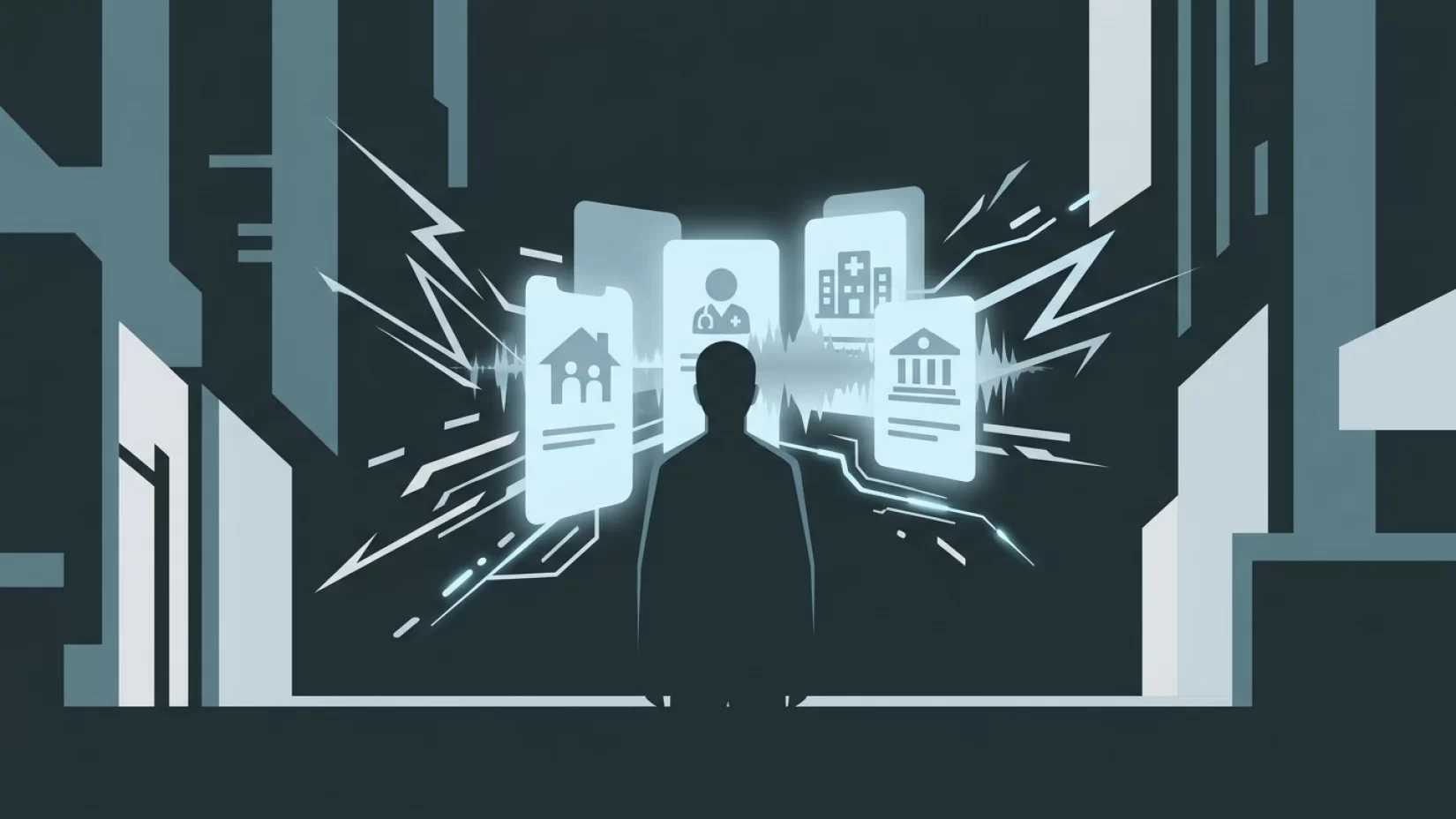
Imagine you’re checking your phone after a busy morning. There’s a voicemail from your bank, warning you about suspicious activity on your account. The voice sounds exactly like the representative you’ve spoken to before—calm, professional, and urgent. Or maybe it’s a message from your doctor’s office, confirming test results and asking you to call back with your date of birth. Sometimes, it’s a loved one in distress, begging for help. These aren’t far-fetched scenarios anymore. Thanks to advancements in artificial intelligence, scammers can now leave voicemails that sound so real, even the most cautious among us can be fooled.
AI-generated voice scams, also known as deepfake voicemails, have become one of the fastest-growing threats in digital security. These messages can cost victims thousands, cause enormous stress, and erode trust in phone-based communication. If you think you’d never fall for a fake voice message, you might want to think again—scammers need only a few seconds of someone’s real voice to create a convincing clone. In this article, we’ll break down how these scams work, who’s being targeted, and—most importantly—how you can protect yourself and your loved ones from falling victim to AI’s newest trick.
Why AI-Generated Voice Messages Are Suddenly Everywhere
Just a couple of years ago, creating a believable fake voice required hours of audio and specialized skills. Now, with the explosion of AI tools in 2023 and 2024, scammers can clone a voice with as little as a 10-second recording. Social media clips, outgoing voicemail greetings, or even a background conversation during a video call can be enough. It’s not science fiction; it’s happening right now, and it’s shockingly easy.
This surge is so concerning that in 2024, the Federal Communications Commission (FCC) declared AI voice robocalls illegal in the United States. That’s not just a bureaucratic move—it’s a sign that regulators see this as a serious, urgent problem. But laws alone can’t stop these scams. The technology is cheap, widely available, and improving at a pace that outstrips most defenses. Criminals are taking advantage, and millions of people are at risk worldwide.
Who’s Getting Targeted—And Why It’s Not Just Seniors Anymore
It’s a common myth that only older adults are vulnerable to phone scams. While seniors remain a prime target (and suffer the highest average losses—$1,298 per scam, according to TechRadar), the reality is much broader. Anyone with a phone number can be targeted, and the emotional tactics used in these scams are effective on people of all ages.
Recent reports have shown students, professionals, and even tech-savvy individuals falling victim. In one high-profile case, a Philadelphia attorney almost sent money to a scammer after receiving a call from someone who sounded exactly like his son, claiming to be in jail after a car accident. The emotional shock and urgency can override logic, especially when the voice on the line is familiar and convincing.
Still, older adults do face unique risks. They’re more likely to answer unknown numbers, less likely to be aware of AI voice cloning, and often rely on phone calls for important information. But don’t assume you’re immune if you’re younger or more tech-aware—scammers are casting a wide net, and nobody is off-limits.
What Makes AI Voicemails So Convincing?
Traditional phone scams often relied on poor English, robotic voices, or generic messages. AI deepfakes have changed the game. These voicemails can:
- Imitate accents, speech patterns, and emotions—even laughter, crying, or urgency.
- Reference personal details scraped from social media or previous conversations.
- Sound like specific people—a family member, your bank manager, or your doctor’s nurse.
Scammers may use stolen data to make the message even more believable. For example, a fake bank voicemail might reference the last four digits of your account, or a family emergency call could mention a recent event you posted about online.
Real-World Scenarios: How Victims Are Fooled
To understand the impact, let’s walk through two real cases:
- Kidnapping scam: In 2023, a mother received a call from someone who sounded exactly like her daughter, sobbing and begging for help. The caller demanded ransom money, leveraging the mother’s panic. The voice was cloned using audio from the daughter’s social media. The emotional distress was immense, even after learning it was a scam.
- Jail scam: A Philadelphia attorney in 2024 got a call from his “son,” claiming he’d been in a car accident and needed bail money. The voice was indistinguishable from his real son’s. Only by double-checking with his actual son did the attorney avoid sending money.
These aren’t outliers. According to a 2023 McAfee survey, 77% of people who received an AI voice scam lost money. The human cost—stress, anxiety, and loss of trust—can last much longer than the financial hit.
Common Myths That Put You At Risk
- "I’d know if it wasn’t really my family member or bank."
AI voice clones are now so good that even people who know each other well can be fooled in a moment of stress. - "Scammers need hours of audio to copy a voice."
Just a few seconds is often enough. Publicly available clips or even a voicemail greeting can be used. - "Only seniors or the very gullible fall for these scams."
Everyone is vulnerable, especially when the scammer uses personal details and emotional urgency. - "There must be a tool that automatically detects AI voices."
While research is ongoing, there’s currently no reliable consumer tool that can spot every deepfake voicemail.
How To Spot An AI-Generated Voicemail—And Why It’s Hard
There’s no magic trick for detecting every fake. However, there are warning signs and habits that can tip you off:
- Odd pauses or unnatural intonation: Some AI voices stumble over complex words or have slightly off timing, though this is getting harder to notice.
- Requests for urgent action: Scammers want you to act fast—before you think. Any message demanding immediate payment, personal information, or secrecy should raise suspicion.
- Unusual requests from familiar voices: If your “bank” asks for your PIN or your “doctor” asks for your full Social Security number, be skeptical.
- Caller ID spoofing: Don’t trust the number displayed. Scammers can fake it to look like your bank, doctor, or even a family member.
- Generic or vague details: Scammers may avoid specific information to reduce mistakes. If the message is oddly generic, that’s a red flag.
Still, even the most careful person can be caught off guard. AI is getting better every month, and scammers are constantly refining their scripts. That’s why it’s so important to verify before you act—every single time.
Five Steps That Actually Reduce Your Risk
- Never act on a voicemail alone. If you receive a message—no matter how convincing—always call back using a number you trust (from your bank card, doctor’s website, or your own contacts). Don’t use the number left in the voicemail.
- Set up a family code word. Agree on a word or phrase only your family knows. If you get a distress call, ask for the code word. Scammers won’t know it.
- Be skeptical of urgency and secrecy. Scammers push you to act fast and keep things secret. Take a breath, pause, and check with another source before doing anything.
- Limit your public audio. Be mindful of what you share online—especially voice clips, video messages, or public interviews. The less material available, the harder it is to clone your voice.
- Educate your family and friends. Talk about these scams, especially with older relatives. Make sure everyone knows not to share personal information or send money based on a voicemail or call alone.
What If You’ve Already Responded To A Fake Voicemail?
If you’ve given out information or sent money after an AI voicemail:
- Contact your bank or relevant institution immediately to freeze or monitor your accounts.
- Report the scam to your local authorities and the appropriate consumer protection agency.
- Let family members know, especially if the scam involved impersonating them.
- Monitor your credit and accounts for unusual activity.
Don’t be embarrassed—these scams are designed to fool even the most careful people. What matters is acting quickly and informing others to prevent further harm.
Why There’s No Perfect Detection Tool—Yet
It’s natural to hope for an app or service that can instantly flag a fake voice. Unfortunately, AI voice cloning is evolving too quickly for current consumer tools to keep up. Some research tools can analyze audio for subtle digital fingerprints, but these aren’t widely available or foolproof.
Tech companies and researchers are working on solutions, but for now, the best defense is personal vigilance and healthy skepticism. If someone claims otherwise, be wary—they’re probably overselling what’s possible today.
What Companies and Regulators Are (And Aren’t) Doing
The FCC’s 2024 ban on AI robocalls is a step in the right direction. It gives law enforcement more power to go after scammers, but it’s not a silver bullet. Scammers can operate from overseas, and enforcement takes time. Banks, hospitals, and other organizations are starting to warn customers and add extra verification steps, but not all are moving fast enough. Some still leave customers vulnerable by relying on outdated phone security.
Until companies and regulators catch up, much of the responsibility falls on individuals and families. That’s frustrating, but it’s the reality for now. Push your bank, doctor, and service providers to use secure communication channels and to educate their customers about these new risks.
Staying Confident, Not Fearful
AI deepfake voicemails are a serious threat, but they’re not unbeatable. Recognizing that the technology is here—and that anyone can be targeted—is the first step. By building habits of verification, talking openly with loved ones, and refusing to act on urgency or secrecy, you can protect yourself and those around you.
Don’t let scammers steal your trust in phone calls or your peace of mind. Stay alert, stay skeptical, and remember: you’re not alone in this. With the right knowledge and a few practical steps, you can outsmart even the most convincing fake voice.