Imagine checking your bank account one morning and seeing a notification about a new loan you never applied for. Or maybe you receive a call from a government agency about an account you don’t recognize. These scenarios are becoming more common—not because you lost your wallet or clicked a suspicious link, but because criminals are using artificial intelligence (AI) to generate fake identity documents that look frighteningly real. These forgeries aren’t just for spy movies anymore. They’re being used to open accounts, take out loans, and commit fraud in the names of everyday people, all over the world. If you think you’re not at risk, it’s time to reconsider. The tools that make this possible are easier to access than ever, and the consequences can be both stressful and financially devastating.
Understanding how AI-generated fake identity documents work, how they’re used, and—most importantly—how to spot signs that your identity is being misused is now essential digital self-defense. Let’s break down what’s happening, why it matters, and what you can realistically do about it.
From Sci-Fi to Reality: AI’s Role in Fake Identity Documents
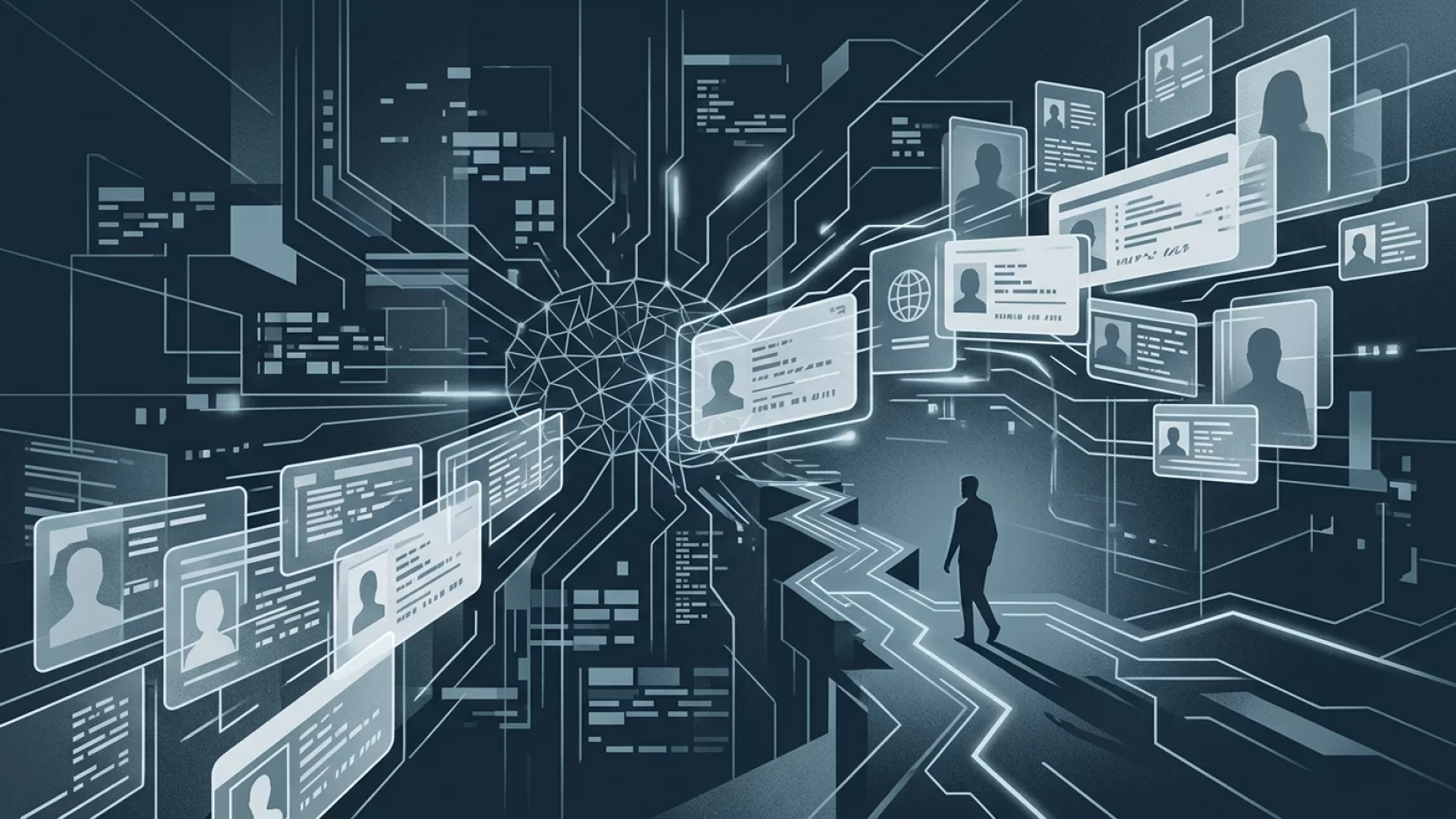
For years, creating a believable fake passport, driver’s license, or utility bill required access to expensive printing equipment and a lot of skill. Not anymore. With AI, criminals can generate documents that look authentic enough to fool both human eyes and many automated verification systems. The software can copy official logos, mimic watermarks, and even match the document’s style to your country’s latest template. In some cases, the AI can fill in your personal details—name, address, date of birth—using information stolen from data breaches or social media.
These fake documents aren’t just being used for underage drinking or minor scams. They’re showing up in loan applications, new bank account openings, online shopping, and even government services. In 2024, AI document forgeries jumped by an astonishing 244%, according to security researchers. And the problem is global: between 2022 and 2023, deepfake incidents (including fake documents and videos) surged tenfold worldwide, with a 1740% spike in North America alone.
How Criminals Use AI-Generated Documents to Commit Fraud
Let’s walk through a typical scenario. A criminal buys your personal information—maybe from a data breach or a phishing (fake) email scam. They feed your details into an AI tool that generates a passport or utility bill with your name and a realistic photo. Using this document, they apply for a credit card or a bank loan online. The financial institution’s automated system checks the document and, if it passes, approves the application. You’re left with a debt you never incurred and a headache trying to prove it wasn’t you.
In August 2023, Hong Kong police arrested six people who used AI deepfake technology to apply for loans, defrauding banks of over HKD 200,000. This wasn’t a one-off. Similar tactics are being used to create fake accounts on e-commerce sites, social media platforms, and even government services that require ID verification. The goal? Anything from stealing money to laundering it, or even running scams in your name.
Why Millions of Users Never Realize Their Data Was Exposed
One of the most unsettling aspects of AI-generated document fraud is how invisible it can be. Many victims don’t know their identity has been misused until they’re contacted about unpaid debts, rejected for a loan, or see unfamiliar accounts on their credit report. By then, the damage is already done. Criminals are counting on this delay, using your good credit or clean record to slip through the cracks before you notice.
Unlike old-school identity theft, which often relied on physical documents, today’s scams are almost entirely digital. That means you might never see a stolen wallet or a missing letter in the mail. Instead, your information is quietly bought, sold, and used by people you’ll never meet.
Misconceptions That Leave People Vulnerable
- “AI-generated fake documents are easy to spot.” Not anymore. Many verification systems—even some used by banks—are struggling to keep up with the sophistication of new AI tools. Some fakes are so good that only advanced forensic analysis can detect them.
- “Only celebrities or high-profile people are targeted.” Ordinary people are at risk. Criminals want personal data that’s unlikely to raise suspicion. If you have a bank account, a social media profile, or pay utility bills, you’re a potential target.
- “Once my information is stolen, there’s nothing I can do.” While you can’t erase a data breach, you can take steps to limit further damage and spot misuse early. Many people recover from identity fraud with the right actions and support.
What Crimes Do AI-Generated Fake Documents Enable?
The list is growing, but here are the most common ways these forgeries are used:
- Financial fraud: Opening new credit cards, applying for loans, or withdrawing money from your accounts.
- Account takeovers: Gaining access to your online banking, shopping, or social media by passing ID checks.
- Government scams: Claiming benefits, filing fake tax returns, or accessing services in your name.
- Reputation damage: Using your identity to commit crimes or run scams, leaving you to clear your name.
Each of these crimes can lead to real-world stress: lost money, hours spent on the phone with banks or government agencies, and the emotional toll of feeling violated or embarrassed.
Why Traditional Detection Methods Are Failing
Many banks, e-commerce sites, and government agencies rely on document scans, automated verification, or even quick human checks to review IDs. These methods were designed for old-fashioned fakes—photoshopped images, blurry scans, or obvious forgeries. AI-generated documents, however, can mimic the look and feel of real IDs down to the font and microprint. Some even add artificial wear and tear to appear authentic.
Security researchers have found that current detection methods simply aren’t enough. In some cases, AI fakes have slipped through both automated and manual checks, especially when verification is done remotely. This isn’t just a technical problem—it’s a wake-up call for companies and governments to invest in better tools and stricter processes. Until they do, the burden falls on consumers to be extra vigilant.
Signs Your Identity Might Be Misused—And What To Watch For
It’s not always obvious when your information has been used to create a fake document, but there are warning signs you should never ignore:
- Unfamiliar accounts or credit inquiries on your credit report
- Bills or statements for accounts you didn’t open
- Notifications about loans, government benefits, or services you never applied for
- Banks or agencies contacting you about suspicious activity
- Unexplained drops in your credit score
If you spot any of these, act quickly. The sooner you respond, the easier it is to limit the damage.
Five Steps That Actually Reduce Your Risk
- Monitor your accounts and credit reports regularly. Check your bank statements, credit card activity, and credit reports at least once a month. Many countries offer free annual credit reports—use them. Look for unfamiliar accounts or charges.
- Enable multi-factor authentication (MFA) wherever possible. MFA adds an extra layer of security by requiring a second step (like a code sent to your phone) before logging in. This makes it much harder for criminals to access your accounts, even if they have your personal details.
- Be skeptical of unsolicited requests for personal information. If someone contacts you claiming to be from your bank or a government agency, don’t give out information without verifying their identity. Call back using official numbers from the organization’s website.
- Consider identity theft protection services. These services monitor your personal information for signs of misuse and alert you to suspicious activity. Some even help you recover if fraud occurs. They’re not a silver bullet, but they can buy you time and peace of mind.
- Limit the information you share online. Social media is a goldmine for criminals looking to piece together your identity. Review your privacy settings and think twice before posting your full name, birthday, or address.
What To Do If You Suspect Fraud
If you think your identity has been misused, don’t panic—but don’t delay either. Here’s what you should do:
- Contact your bank or financial institution immediately to freeze or review your accounts.
- Report the fraud to your local authorities and credit bureaus.
- Change your passwords and enable MFA on all sensitive accounts.
- Keep detailed records of your communications and any suspicious activity.
- If you have identity theft protection, contact their support team for guidance.
Most importantly, remember that you’re not alone. Millions of people face identity fraud every year, and there are resources to help you recover.
Why Companies and Governments Need To Step Up
Let’s be honest: individuals can only do so much. While it’s crucial to protect yourself, companies and governments have a responsibility to upgrade their verification systems and invest in AI-based detection tools. Relying on outdated methods is no longer acceptable, especially when the risks are this high. The technology to fight back exists—it just needs to be implemented and maintained. Until then, consumers are left carrying the burden.
It’s also time for more transparency. If a company loses your data or approves an account using a fake document, you deserve to know—quickly and clearly. Too often, organizations downplay breaches or blame users instead of fixing their processes. That needs to change.
Looking Ahead: Staying One Step Ahead of AI Fraud
AI-generated fake identity documents are a fast-moving threat, but you don’t need to feel powerless. By staying alert, monitoring your accounts, and demanding better security from the services you use, you can reduce your risk and respond quickly if something goes wrong. This issue isn’t going away, but with awareness and action, you can protect yourself and your loved ones from becoming the next victim.
Digital security isn’t about paranoia—it’s about confidence. The more you know, the safer you’ll be. Stay curious, stay skeptical, and don’t let the bad actors win.