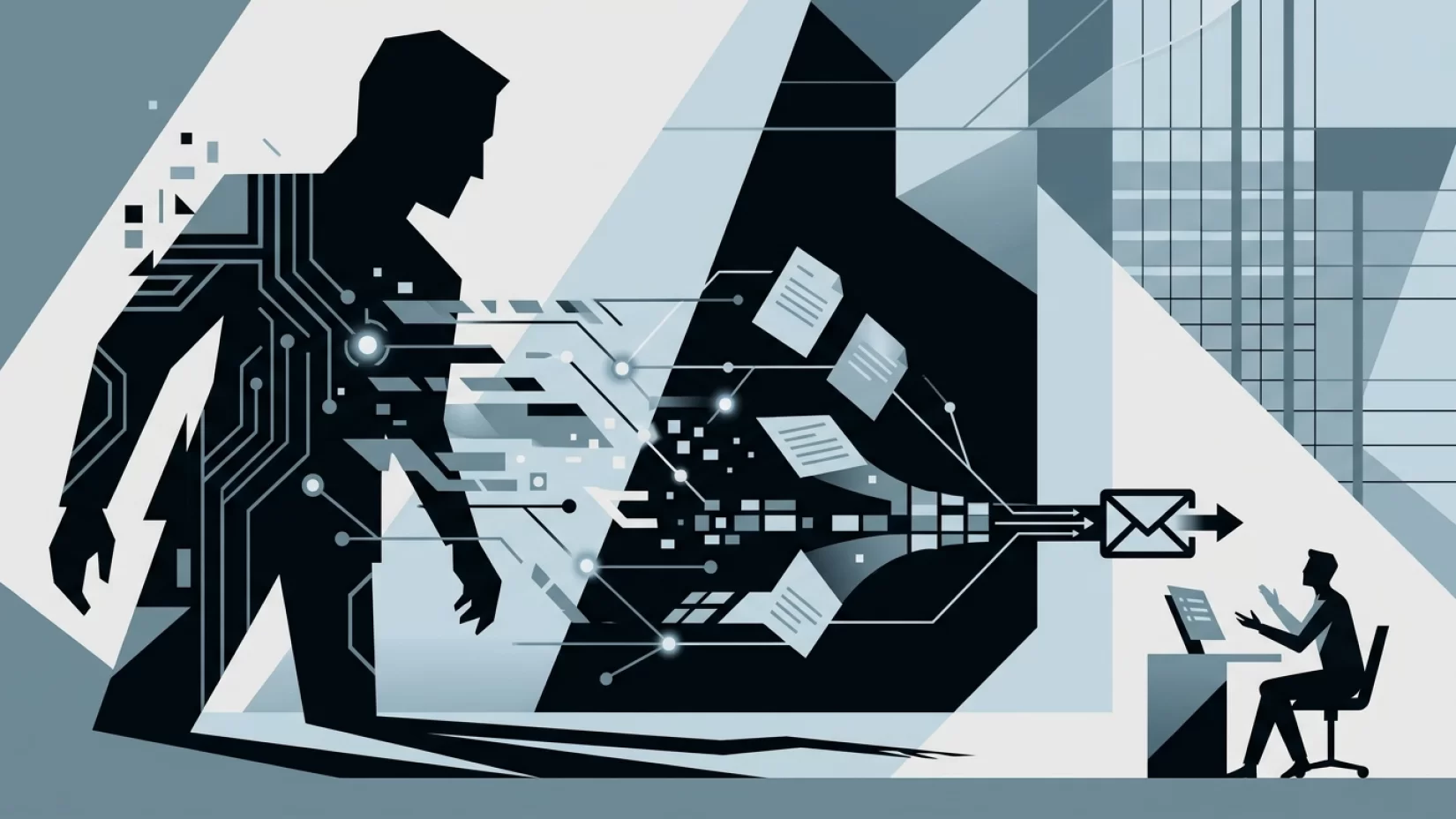
Imagine you’re at work, juggling emails and deadlines, when a message pops up from your boss. It’s urgent—something about transferring money or sharing sensitive files. The tone is spot-on, the writing style matches, and the signature looks exactly right. You act quickly, wanting to help. Hours later, you find out your boss never sent that email. You’ve just been conned by a scam so convincing, even tech-savvy people are falling for it. Welcome to the new era of AI-powered executive impersonation, where cybercriminals use artificial intelligence to mimic your CEO or manager, often with devastating consequences.
This isn’t just a problem for big companies or IT departments. Everyday people—remote workers, freelancers, students, anyone with an email account—are now targets. In 2023 alone, Americans lost a staggering $1.3 billion to impersonation scams, many of them supercharged by AI tools that make fake emails nearly impossible to spot at first glance. If you think you’d never be fooled, it’s time to take a closer look. Let’s break down why these scams are exploding, how they actually work, the real impact on people like you, and—most importantly—how you can spot a fake before it costs you money, trust, or worse.
Why AI Is Supercharging Executive Email Scams
For years, scammers have tried to trick people with fake emails pretending to be bosses or executives. Traditionally, these messages were easy to spot: bad grammar, odd phrasing, or requests that just felt off. But with generative AI tools like ChatGPT, scammers can now create emails that are frighteningly realistic. The language is polished, the tone mimics your boss’s style, and the instructions are clear and urgent. AI doesn’t get tired or sloppy—it can write hundreds of personalized emails in minutes, each tailored to its specific target.
In 2024, a North Korea-based hacking group called UNC1069 ran a campaign using AI to impersonate CEOs in the cryptocurrency sector. They didn’t just stop at emails—these attackers used deepfake videos and spoofed Zoom calls to add another layer of believability. If you think, “I’d never fall for a scam email,” consider this: even high-profile companies with trained staff, like WPP and LastPass, have faced AI-powered impersonation attempts. The technology is now so advanced that even seasoned professionals have been tricked.
Why Millions Never Realize Their Data Was Exposed
One of the scariest parts of these scams is how subtle they can be. Many victims don’t immediately realize they’ve been targeted. The emails look legitimate, so people act fast—especially if the message claims something urgent, like a payment that needs to be made before the end of the day. By the time the truth comes out, money has been transferred or sensitive data has been shared. In some cases, the scam isn’t discovered until weeks later, when strange transactions or security breaches surface.
Unlike traditional phishing (where fake messages try to steal your passwords), these AI-generated emails often don’t contain the telltale spelling mistakes or odd formatting. Instead, they use details gleaned from social media, company websites, or even previous email threads to make the message feel authentic. It’s no wonder so many people—regardless of their tech skills—are caught off guard.
Common Myths That Make People Vulnerable
- Myth 1: AI-generated scam emails are easy to spot. Many people believe they can recognize a fake email by looking for bad spelling or awkward language. Today’s AI tools produce messages that are grammatically perfect and eerily accurate.
- Myth 2: Only big companies are targeted. In reality, anyone with an email address is fair game. Scammers target small businesses, freelancers, remote workers, and even students—often because these groups have fewer security measures in place.
- Myth 3: If an email comes from my boss’s address, it must be safe. Criminals can spoof (fake) email addresses or use addresses that look almost identical to the real thing, swapping a single letter or using a different domain.
- Myth 4: AI-generated emails always have telltale signs. Sometimes, there are no obvious red flags. The message may reference real projects, use your boss’s catchphrases, or arrive at a time when you expect to hear from them.
What These Scams Look Like in Practice
Let’s walk through a typical scenario. You receive an email from your manager, asking you to urgently process a payment to a new vendor. The message references a real project you’re working on and uses the same sign-off your boss always uses. The sender’s name and email address look correct at a glance. Because the request is urgent and you don’t want to hold up the project, you act quickly—only to find out later that the vendor was fake and the money is gone.
In some recent cases, scammers have gone further. In 2024, hackers used AI to clone the voice of a CEO and called employees directly, instructing them to take immediate action. Another group used deepfake video calls to impersonate executives on Zoom. These aren’t far-fetched science fiction scenarios—they’re happening right now, and the technology is only getting better.
Why These Attacks Are So Effective
AI gives scammers several unfair advantages:
- Personalization: AI can scan social media, company announcements, and previous emails to craft messages that feel authentic and relevant to you.
- Volume: Criminals can send thousands of tailored emails in minutes, increasing their odds of success.
- Speed: AI-generated emails arrive quickly, often at times when you’re busiest or least attentive.
- Believability: The language, formatting, and details are so convincing that even experienced professionals can be fooled.
Combine these factors with the natural pressure many people feel to respond quickly to their boss, and you have a perfect recipe for disaster. It’s not about being careless—it’s about facing an opponent who’s using cutting-edge technology to exploit human trust and workplace urgency.
Human Consequences: Stress, Doubt, and Financial Loss
Falling victim to an AI-powered impersonation scam isn’t just a technical problem. The effects are deeply personal. People often experience stress, embarrassment, and anxiety after realizing they’ve been duped. Some worry about losing their job or damaging their reputation at work. Others face real financial consequences, sometimes losing thousands of dollars in a single transaction. In the worst cases, sensitive data shared in response to a fake executive email can lead to identity theft or further attacks down the line.
Even if you catch the scam in time, the experience can shake your confidence. You might start second-guessing every email from your boss or colleagues, leading to decision fatigue and workplace tension. This is exactly what scammers want: to erode trust and make you easier to manipulate in the future.
Warning Signs: How to Spot a Fake Executive Email
While AI-generated emails are getting harder to detect, there are still clues that can help you spot a scam before it’s too late. Here’s what to watch for:
- Subtle changes in the sender’s email address. Look for swapped letters, added numbers, or unusual domains. For example, john.smith@company.com vs. john.smith@cornpany.com (where an "m" is replaced with "rn").
- Unusual requests or urgency. Be wary if your boss asks you to transfer money, buy gift cards, or share sensitive information—especially if they stress that it must be done immediately or in secret.
- Out-of-character language or tone. Even with AI, sometimes the message will feel a little off. Maybe your boss is unusually formal or informal, or references things in a way that doesn’t match their usual style.
- Unfamiliar links or attachments. Hover your mouse over any links to see where they lead before clicking. If the destination looks suspicious or unrelated to your company, don’t click.
- Pressure to bypass normal procedures. If the message asks you to ignore standard approval processes or keep the request secret, treat it as a red flag.
Five Steps That Actually Reduce Your Risk
You can’t control what scammers do, but you can make it much harder for them to succeed. Here are five practical steps anyone can take:
- Always verify unusual requests. If you get an email from your boss asking for money, sensitive files, or anything out of the ordinary, pick up the phone or message them through a known, official channel. Don’t reply to the suspicious email itself.
- Check the sender’s email address closely. Don’t just look at the display name—click or tap to reveal the full address and check for subtle differences.
- Don’t let urgency cloud your judgment. Scammers rely on pressure and time constraints to force mistakes. Take a breath, double-check, and don’t be afraid to slow down.
- Use AI scam detection tools. Some email providers and security apps now offer AI-based filters that can flag suspicious messages. While not perfect, they can catch many common scams.
- Educate yourself and your team. Share this information with colleagues, friends, and family. The more people know what to look for, the safer everyone becomes.
Are There Tools That Can Help?
Several email services and security apps now include AI-powered scam detection. These tools analyze incoming messages for signs of impersonation or phishing, sometimes flagging suspicious emails before they reach your inbox. While no tool is foolproof—especially as scammers constantly adapt—using these filters adds an extra layer of protection. Ask your IT department or email provider about available options, and consider enabling additional security settings like two-factor authentication where possible.
Broader Implications: What This Means for Everyone
AI-powered impersonation scams aren’t going away. In fact, as generative AI tools become even more accessible, these attacks are likely to increase in number and sophistication. This isn’t just a workplace issue—it affects anyone who uses email, messaging apps, or video calls. The stakes are high: financial loss, identity theft, and the erosion of trust in digital communication.
Companies that ignore this problem or rely solely on outdated security practices are putting their employees and customers at risk. It’s time for everyone—businesses, schools, families—to take these threats seriously and adopt better habits for verifying important requests. It may feel inconvenient at first, but a few extra seconds of caution can prevent a lifetime of regret.
Final Thoughts: Confidence Over Fear
It’s easy to feel overwhelmed by stories of AI-powered scams, but knowledge is your best defense. By understanding how these attacks work and practicing a few simple habits, you can protect yourself and those around you. Remember: no legitimate boss or executive will ever be upset if you double-check before sending money or sensitive information. The only people who benefit from secrecy and urgency are the scammers.
So next time you get that urgent message from your boss, pause, verify, and trust your instincts. You’re not being paranoid—you’re being smart. And in the age of AI, that’s exactly what’s needed.