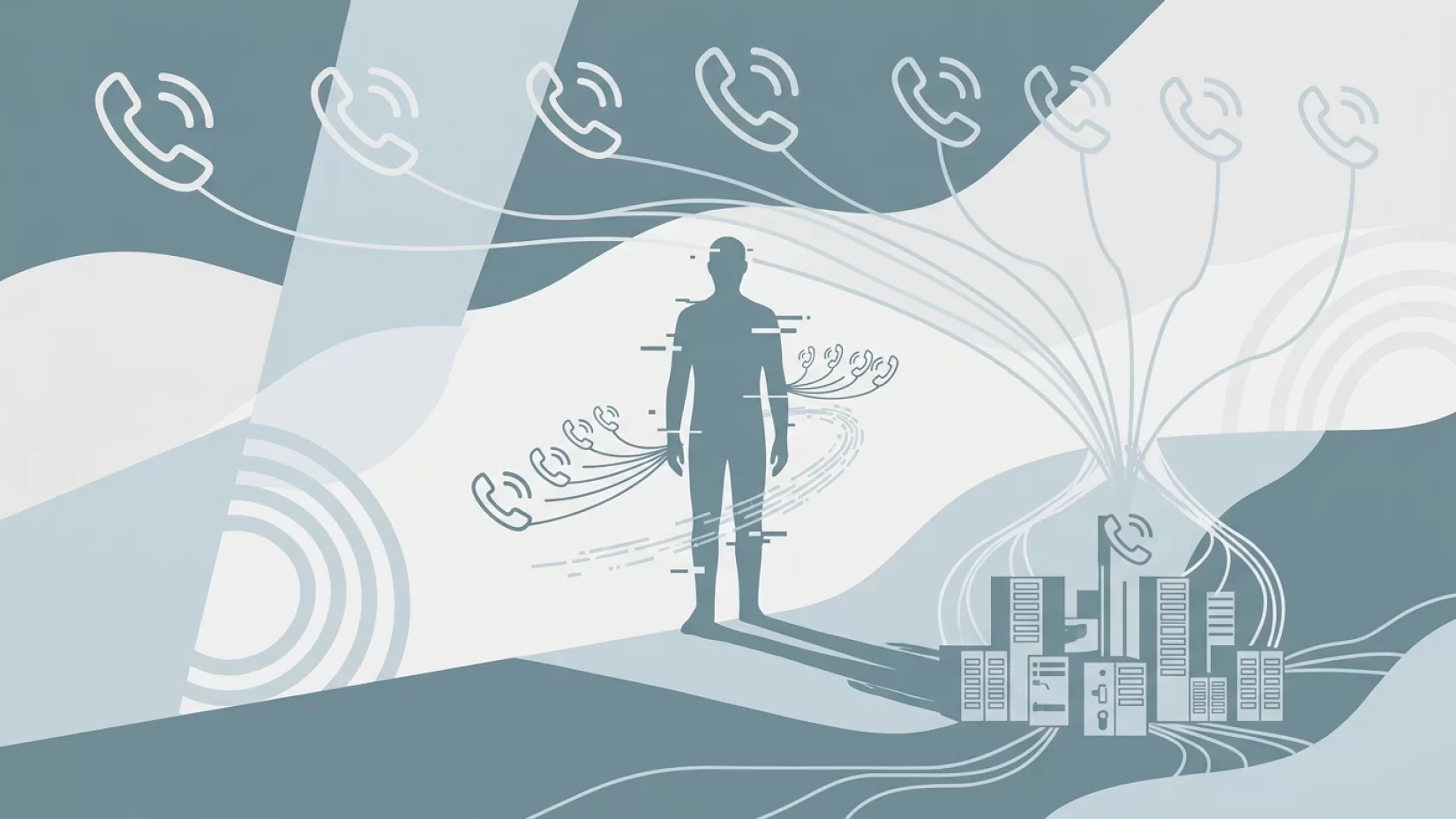
Imagine picking up your phone and hearing a familiar voice—a loved one, your bank manager, or a government official—urgently asking for help. Maybe they need you to verify your account, send money, or share a code that just popped up in a text message. You want to trust the voice on the other end. But what if it’s not who you think? Thanks to recent leaps in artificial intelligence, scam call centers can now clone voices with frightening accuracy and reach thousands of people every hour. These AI-powered scam calls are no longer science fiction—they’re a growing, real-world threat that’s catching people off guard, stealing money, and causing stress worldwide.
Understanding how to spot an AI-generated phone call is more important than ever. This isn’t just about avoiding a nuisance; it’s about protecting your money, your privacy, and your peace of mind. Let’s break down why these scams are so effective, how you can spot the warning signs, and—most importantly—what you should never hand over on a call, no matter how convincing it sounds.
AI Voice Scam Calls: Not Your Old Robocall
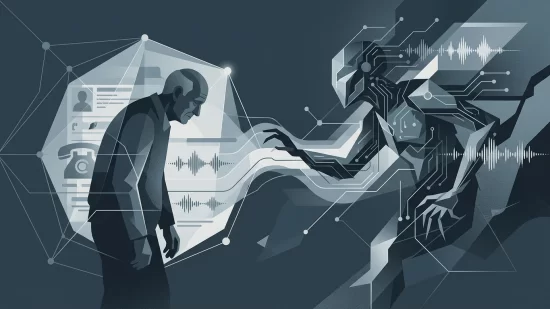
Robocalls have annoyed us for years, but AI has given scammers a powerful upgrade. Instead of generic, robotic voices, today’s scam calls can sound shockingly real. With just a few seconds of audio—sometimes scraped from social media, a video, or a voicemail—AI systems can mimic a person’s voice, tone, and even their accent. Scammers use these tools to impersonate loved ones, bank staff, or government officials with a level of realism that’s hard to distinguish from a genuine call.
These aren’t just one-off incidents. Regulatory bodies like the U.S. Federal Communications Commission (FCC) have declared AI-generated voices in robocalls illegal, but enforcement is still catching up. In 2023, the New York Attorney General sued a telecom company accused of helping deliver billions of illegal robocalls—including many powered by AI. The problem isn’t limited to the U.S., either. If you have a phone number, you’re a potential target.
Why Are AI Scam Calls So Convincing?
Traditional scam calls often sound clunky or scripted. AI-powered calls, on the other hand, can:
- Imitate real people: AI can clone voices after analyzing just a few seconds of audio.
- Respond in real time: Some systems can answer your questions and adjust their pitch or accent to sound more believable.
- Personalize the pitch: With information from data breaches or public profiles, scammers can mention specific details—like your address, employer, or relatives’ names—to build trust.
It’s no wonder even tech-savvy people have fallen for these scams. When a voice sounds exactly like someone you know, your guard drops. That’s exactly what scammers are counting on.
Who’s in the Crosshairs? (Hint: It’s Not Just Seniors)
There’s a persistent myth that only older adults fall for phone scams. That’s simply not true. AI-powered scam calls target everyone—young, old, tech-literate, or not. The only requirement is having a phone number. Students, busy professionals, and even security-conscious people have been tricked by a convincing voice and a sense of urgency.
In fact, scammers often tailor their approach based on what they know about you. If you’re a parent, you might get a call claiming your child is in trouble. If you’re self-employed, the caller might pose as a client or government agency. The technology doesn’t discriminate, and neither do the criminals using it.
Common Scenarios: How These Calls Play Out
To understand the risk, let’s look at a few scenarios that have played out in real life:
- The “Family Emergency” Call: You receive a call from someone who sounds exactly like your daughter, saying she’s been in an accident and needs money wired immediately. She’s crying, there’s background noise, and you panic. But it’s not your daughter—it’s an AI-generated voice using information scraped from her social media.
- The “Bank Fraud Alert”: A caller claims to be from your bank’s fraud department. They know your name and recent transactions. The voice is calm and professional, asking you to confirm your account number or a code sent to your phone. Again, the voice isn’t real—it’s AI, and the information may have come from a data breach.
- The “Government Official” Threat: Someone claiming to be a tax official or police officer warns of an urgent legal issue. Their voice matches a public recording or press conference you’ve seen. They demand immediate payment or personal information to “resolve” the situation.
These scenarios are designed to create stress and urgency, making you less likely to pause and question what’s really happening.
Why Millions of Users Never Realize Their Data Was Exposed
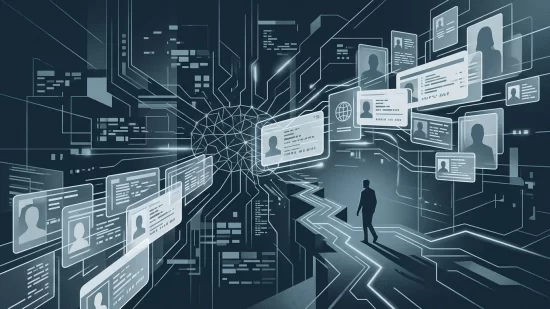
Many people don’t realize how much of their voice is already online—voicemails, YouTube clips, Instagram stories, podcasts, or even a short TikTok. Scammers don’t need much: just three seconds of clear audio can be enough for AI to create a convincing clone. Combine that with information from old data breaches or public records, and it’s easy to see how attackers build a profile without you ever knowing.
Even if you’re careful, your friends or family might not be. A group video call, a wedding speech, or a school event posted online can all become sources for scammers. That’s why it’s important to be skeptical of any call—no matter how familiar the voice—especially if it’s asking for sensitive information or money.
Misconceptions That Leave People Vulnerable
- “I’ll recognize a fake voice.” AI voices can sound eerily real, especially in a short, emotional, or urgent call. Don’t trust your ears alone.
- “Scams only target the elderly.” Every age group is at risk. Scammers adapt their pitch to whoever picks up.
- “Regulators have solved the problem.” Bans and lawsuits help, but AI scam calls are still rampant. New tools appear faster than rules can keep up.
- “If they know my info, it must be real.” Scammers often use leaked data to sound legitimate. Never let familiarity lower your guard.
Signs You’re Talking to an AI (Even If It Sounds Real)
Spotting an AI-generated call isn’t always easy, but there are clues. Watch for:
- Odd pauses or glitches: AI voices sometimes hesitate, mispronounce names, or sound slightly off during complex sentences.
- Repeating phrases: If you ask a question, the caller might repeat themselves or dodge specifics.
- Unusual urgency: Scammers want you to act fast—before you think. Demands for immediate action are a red flag.
- Requests for sensitive info: No legitimate organization will ask for passwords, full Social Security numbers, or one-time codes over the phone.
- Refusal to communicate another way: If you ask to call back through an official number and they resist, something’s wrong.
Trust your instincts. If something feels off—even if you can’t pinpoint why—hang up and verify independently.
What Never to Give Over a Phone Call (No Matter Who Asks)
Some information should never be shared over the phone, unless you initiated the call to a trusted, verified number. Never give out:
- Passwords or PINs
- One-time codes (like those sent by your bank or email provider)
- Full credit card numbers
- Social Security, national ID, or tax numbers
- Bank account details
- Personal information that could be used for identity theft (birthdate, address, etc.)
If someone insists you need to provide these details to “fix a problem” or “protect your account,” hang up. Then, call the official number from the company or government agency’s website to check if the request was real.
Five Steps That Actually Reduce Your Risk
- Hang up on suspicious calls. Don’t engage, argue, or try to outsmart the caller. If something feels wrong, end the call immediately.
- Verify independently. If a call claims to be from your bank, a loved one, or a government agency, hang up and call back using an official number. Never trust caller ID alone—it can be spoofed.
- Educate your circle. Talk to family and friends about AI scam calls, especially those who might be less aware. Share examples and encourage skepticism.
- Limit your voice exposure online. Be mindful of posting voice recordings or videos publicly. Adjust privacy settings on social media, and encourage others to do the same.
- Report suspicious calls. In the U.S., report to the Federal Trade Commission (FTC). In other countries, use your national consumer protection agency. Reporting helps authorities track trends and warn others.
Are There Any Tools That Can Help?
Some mobile carriers and apps offer call-blocking or scam-detection features. While these can reduce the number of scam calls you receive, they’re not foolproof—especially against sophisticated AI-powered calls that may use fresh numbers or mimic real contacts. Treat technology as a helpful filter, not a guarantee.
Ultimately, your own vigilance is your best defense. No app or service can replace a healthy dose of skepticism when answering unexpected calls.
What If You’ve Already Shared Information?
If you realize you’ve given sensitive info to a scammer, act quickly:
- Contact your bank or credit card company to freeze or monitor your accounts.
- Change passwords for any affected accounts, especially if you shared login details.
- Enable two-factor authentication wherever possible.
- Report the scam to the relevant authorities.
Don’t be embarrassed—these scams are designed to trick even careful people. Taking action quickly can limit the damage and help others avoid the same trap.
The Broader Picture: Why This Problem Isn’t Going Away Soon
AI-powered scam call centers are a global business. As AI technology gets better and cheaper, scammers will keep finding new ways to exploit it. Regulators are trying to keep up—like the FCC’s recent ban on AI robocalls—but enforcement takes time, and technology moves fast. Telecom companies, app developers, and social media platforms all have a role to play in shutting down abuse, but they haven’t solved it yet.
For now, the best protection is awareness, skepticism, and a clear plan for what to do if you get a suspicious call. Don’t rely on your ears alone. If a call feels urgent, emotional, or just a little off, pause and double-check. You’re not being rude—you’re being smart.
Final Thoughts: Confidence, Not Fear
AI-powered scam calls are a serious and growing threat, but you don’t need to live in fear. By understanding how these scams work, recognizing the signs, and knowing what information to protect, you can keep yourself and your loved ones safe. Share what you’ve learned. Stay curious. And remember: when in doubt, hang up and verify. No genuine caller will ever mind you taking an extra moment to protect yourself.