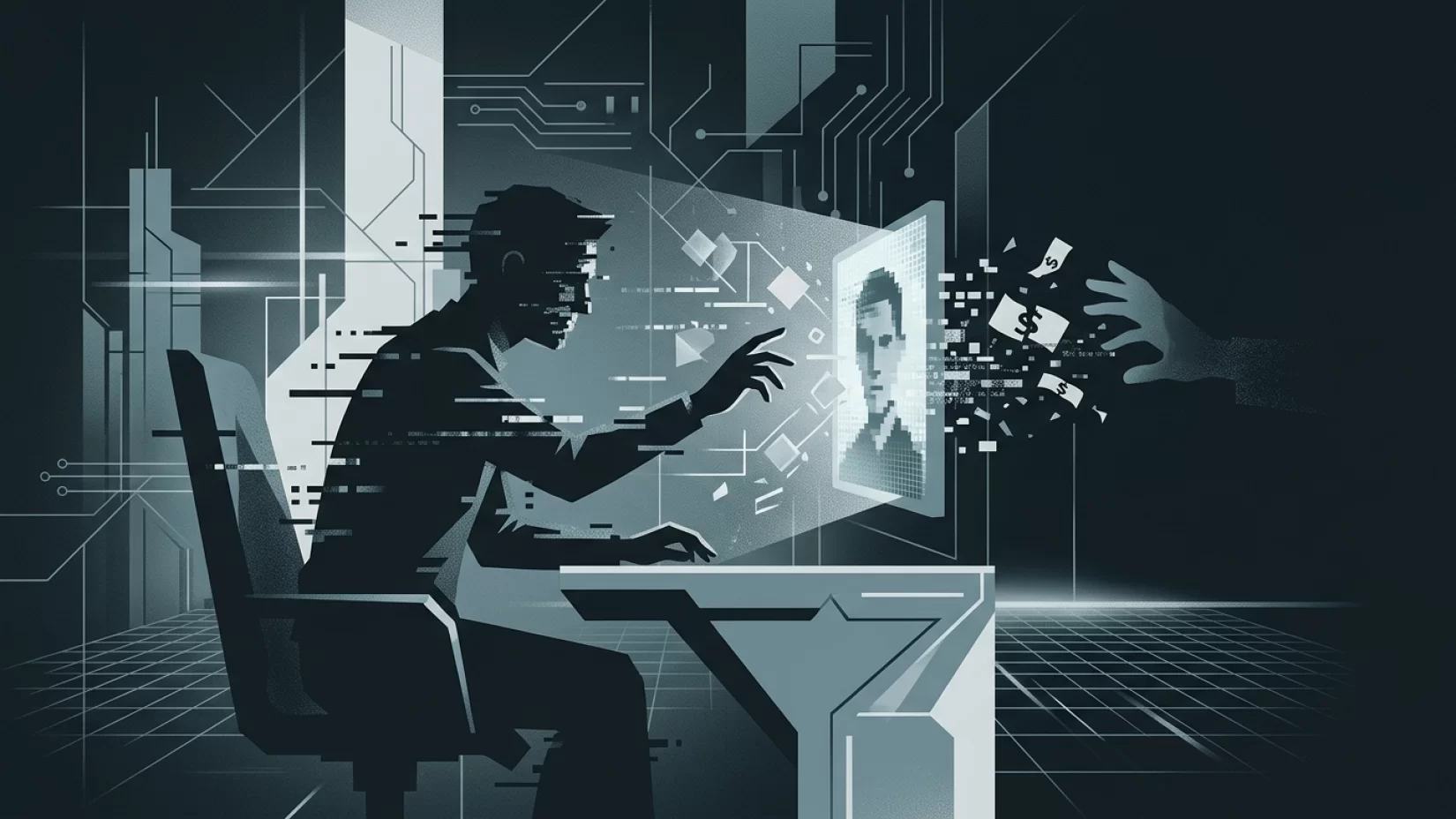
Imagine joining a video call with your boss, your coworkers, or even a family member—and every face on the screen is fake. Not just a little off, but so convincing you’d bet your savings it’s them. That’s exactly what happened in February 2024, when a finance worker at a multinational company in Hong Kong transferred $25 million after a video call with what seemed like their entire team. Every single person on that call was an AI-generated deepfake. It’s not just companies losing millions anymore. The same technology is now targeting regular people, and it’s getting easier, cheaper, and more believable by the month.
Deepfake video calls aren’t a distant, sci-fi threat. They’re here, and they’re tricking people who never thought they’d fall for a scam. If you use video calls for work, talk to family overseas, or just catch up with friends online, you need to know how these scams work—and how to protect yourself. Let’s break down what’s really happening, why it matters to everyone (not just big businesses), and what steps you can take to make sure you’re talking to who you think you are.
Deepfakes: No Longer Just Celebrity Pranks
For years, most people thought of deepfakes as those viral videos where celebrities say outrageous things they never actually said. They were funny, sometimes unsettling, but mostly just internet oddities. That’s changed. Deepfake technology—powered by artificial intelligence—can now create hyper-realistic video and audio of anyone, not just famous faces. All it takes is a few seconds of audio or a single photo for scammers to build a convincing digital puppet.
What’s especially alarming is how accessible this technology has become. Between January and May 2026, discussions about “Deepfake-as-a-Service” (DFaaS) on the dark web spiked by nearly 40%. That means criminals don’t even need technical skills anymore. They can pay someone to generate a convincing video or voice of your boss, spouse, or child—and use it against you in real time.
From Corporate Heists to Everyday Scams
The $25 million Hong Kong case is shocking, but it’s just the tip of the iceberg. While big companies make headlines, deepfake scams are becoming a real threat for ordinary people. Here’s how:
- Impersonating family members: Scammers use deepfakes to pose as relatives in distress, asking for urgent money transfers during a video call.
- Faking coworkers or bosses: Criminals trick employees into sharing confidential information or transferring funds by appearing as a manager or colleague on a video chat.
- Romance and friendship scams: Deepfake video and voice calls make online dating scams more convincing than ever, fooling people into trusting—and sending money to—someone who doesn’t exist.
These aren’t just theoretical risks. As deepfake technology spreads, millions of consumers worldwide are at risk—students, remote workers, families, retirees. If you use a smartphone, laptop, or tablet for video calls, you could be a target.
Why Millions Never Realize Their Data Was Exposed
One of the most unsettling things about deepfake video call scams is how invisible they can be. Unlike a hacked account or stolen device, there’s often no obvious sign you’ve been scammed until it’s too late. The person on the other end of the call looks, sounds, and acts like someone you know. They might even reference personal details scraped from social media or previous conversations. By the time you realize something’s off, money or sensitive information may already be gone.
Many victims don’t report these incidents out of embarrassment or disbelief. After all, who wants to admit they were fooled by a video call with their own boss or child? This silence only helps scammers, who count on people not warning others.
Common Misconceptions That Put You At Risk
- "Deepfakes are just for entertainment or politics." Not anymore. Criminals are using them for financial gain, identity theft, and more.
- "Only big companies get targeted." As deepfake tools become easier to use, ordinary people are increasingly in the crosshairs.
- "I’d spot a fake right away." Modern deepfakes are good. Really good. Even tech-savvy people and professionals have been tricked.
- "There’s software that can always detect deepfakes." While some tools exist, none are foolproof. Scammers constantly adapt, and detection lags behind.
What Does a Deepfake Video Call Scam Look Like?
Let’s walk through a scenario that could happen to almost anyone:
- You get a video call from your boss at work. The caller ID looks right. Their face and voice match perfectly.
- They say there’s an urgent issue—a client payment, a security breach, or a family emergency. They need you to transfer money or share sensitive information right away.
- Other colleagues appear on the call, nodding along. The pressure is on. Everything feels legitimate.
- You do as asked, only to learn later that none of it was real. The money is gone. The people you saw were digital forgeries.
Now swap out "boss" for "parent," "child," or "friend." The emotional stakes can be even higher, especially when scammers create a sense of urgency or distress.
Why Deepfake Scams Are So Hard to Spot
Traditional scam warnings—like poor grammar, weird accents, or generic messages—don’t help much with deepfakes. Today’s AI can mimic speech patterns, facial expressions, and even personal quirks. Here’s why deepfake video calls are uniquely dangerous:
- Real-time manipulation: Scammers can respond to your questions on the fly, making the interaction feel natural.
- Personalization: Public social media posts, old videos, and voice clips make it easy to build a convincing impersonation.
- Emotional manipulation: Seeing a loved one or trusted colleague on screen lowers your guard—especially in stressful situations.
Even trained professionals have fallen for these tricks. If you feel embarrassed for not spotting a deepfake, don’t. The technology is designed to fool you.
Five Steps That Actually Reduce Your Risk
While there’s no silver bullet, you can make deepfake scams much harder to pull off. Here’s what works in the real world:
- Pause before acting on urgent requests. If someone on a video call asks for money, passwords, or sensitive info, take a breath. Scammers rely on panic and urgency. A short delay can save you.
- Verify using a separate channel. If you get an unusual request, contact the person another way—call their known phone number, send a text, or use a different messaging app. Don’t rely on links or numbers provided during the suspicious call.
- Look for subtle glitches. Deepfakes are getting better, but sometimes you’ll notice odd eye movements, strange lighting, or unnatural blinking. Audio can lag behind video. If anything feels off, trust your instincts.
- Educate your circle. Talk to family, friends, and coworkers about deepfake scams. The more people know, the less likely they are to be caught off guard.
- Use secure platforms and settings. Choose video conferencing tools with end-to-end encryption and participant verification. Don’t accept video calls from unknown contacts.
These steps won’t make you immune, but they’ll put you ahead of most targets.
What To Do If You Suspect a Deepfake Scam
If you think you’ve been targeted—or worse, tricked—by a deepfake video call, don’t panic. Here’s what you should do:
- Stop all communication with the scammer. Don’t explain or argue, just disconnect.
- Contact your bank or relevant service immediately. If you sent money or shared sensitive info, act fast. Some banks can reverse transactions if notified quickly.
- Report the incident. Let your workplace, friends, or family know. File a report with local authorities or your country’s cybercrime unit. The more people report, the better the chance of tracking these scams.
- Change compromised passwords or security settings. If you shared login credentials, update them everywhere you use them.
Remember, scammers count on shame and silence. You’re not alone, and reporting helps protect others.
Are There Any Tools That Can Spot Deepfakes?
There are some tools and services that claim to detect deepfake videos, but none are 100% reliable. Most are designed for pre-recorded content, not real-time video calls. Some video platforms are experimenting with built-in detection, but scammers adapt quickly. For now, your best defense is caution and verification—not technology alone.
Human Consequences: More Than Just Money
It’s easy to focus on the financial losses, but deepfake scams have other real-world effects. Victims often feel betrayed, anxious, and embarrassed. Trust in digital communication can be shaken, leading to stress and even isolation. For families, the emotional toll of a scam involving a loved one can linger long after the money is gone.
Scammers know this. They use emotional manipulation as much as technical tricks. That’s why awareness and open conversations matter just as much as any security tool.
What Companies and Platforms Aren’t Telling You
Let’s be honest: many video platforms and social media companies have not kept up with the deepfake threat. Security features are often optional, buried in settings, or not explained clearly to users. Some companies downplay the risks to avoid scaring people away. That’s not good enough. Until platforms take more responsibility, the burden falls on users to protect themselves and each other.
Looking Ahead: The New Normal of Digital Trust
Deepfake video call scams aren’t going away. As AI technology improves, these attacks will get even more convincing and widespread. It’s not about being paranoid—it’s about being prepared. Digital trust now means asking an extra question, double-checking an urgent request, and talking openly about new risks with the people you care about.
You don’t need to become a security expert. Just a little healthy skepticism and a few smart habits can make all the difference. Stay informed, stay connected, and don’t be afraid to verify. In a world where seeing is no longer believing, trust has to be earned—every call, every time.