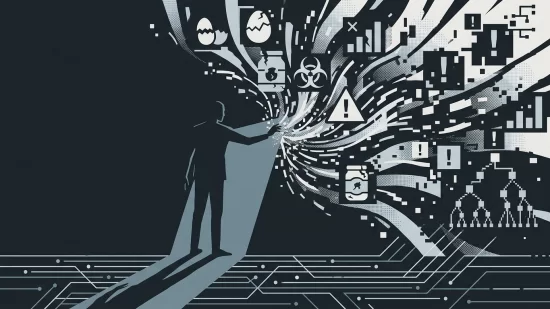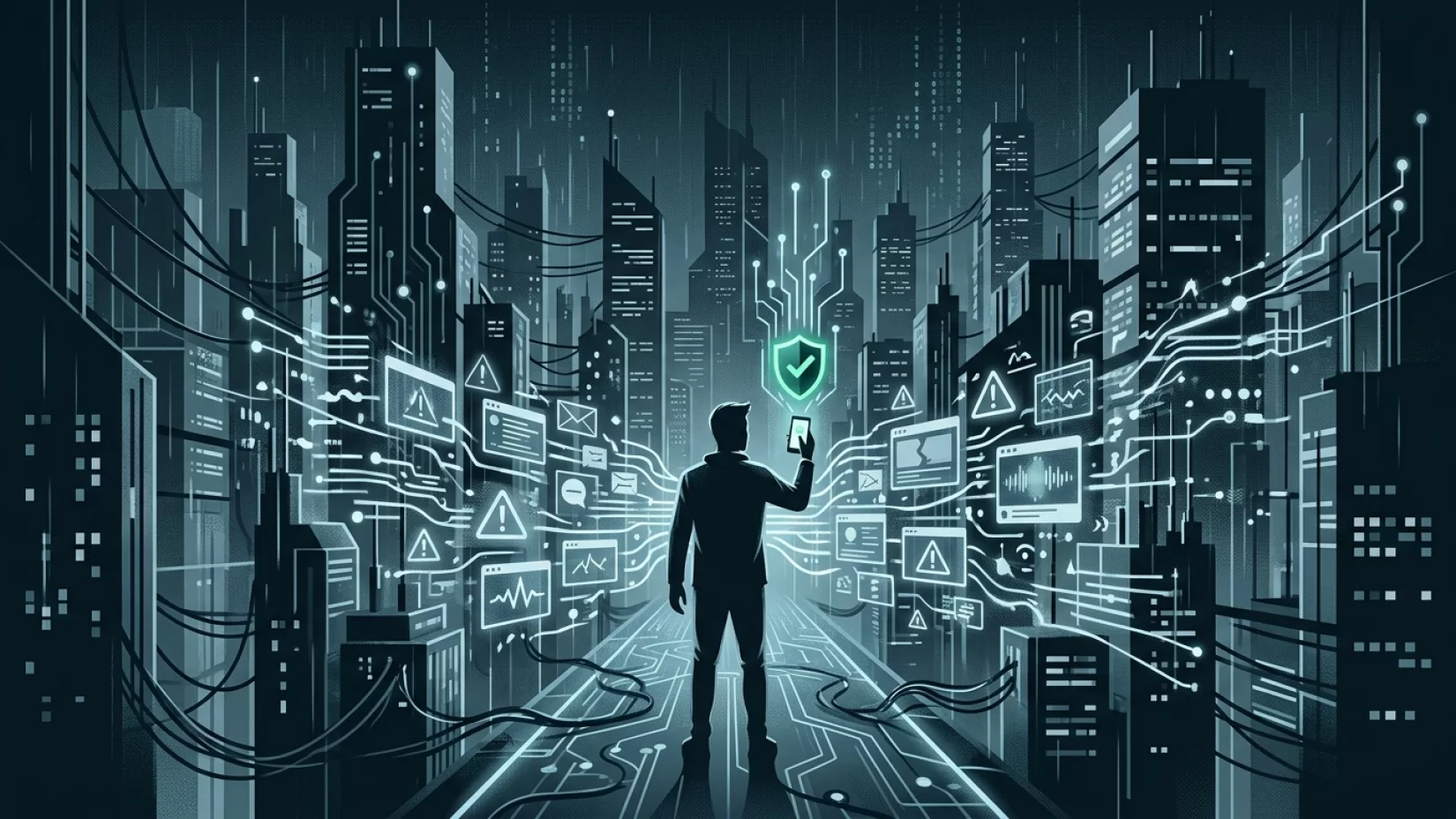
Imagine you’re scrolling through your social media feed late at night when you see a breaking alert: “Major chemical spill — evacuate immediately!” The message looks official, complete with a government logo and urgent language. Your heart races. Should you pack up your family and leave? Or is this just another hoax? In 2023, thousands faced this uncertainty when a fake AI-generated image of an explosion near the Pentagon went viral, briefly disrupting markets and sowing confusion. These aren’t isolated incidents — as artificial intelligence tools become more powerful and accessible, fake emergency alerts are popping up everywhere, often spreading faster than corrections can catch up.
Knowing how to spot and verify these fake warnings isn’t just a nice-to-have skill anymore. It’s essential for protecting yourself, your loved ones, and your community from unnecessary panic, scams, or even physical harm. Let’s break down what’s happening, why it matters, and — most importantly — how you can confidently handle any emergency alert you see online.
Why Are Fake AI-Generated Emergency Alerts Spreading So Fast?
Not long ago, creating a convincing fake alert required real technical skill. Today, anyone with a smartphone can use AI tools to whip up realistic images, audio clips, or even video broadcasts in minutes. These tools can mimic the look and sound of official emergency communications, making it nearly impossible to tell real from fake at first glance.
Social media platforms like Twitter, Facebook, and Instagram are the perfect breeding ground for these hoaxes. Posts go viral within minutes, especially when they tap into our deepest fears — safety, security, and the well-being of our families. Algorithms often prioritize sensational content, helping these alerts reach millions before fact-checkers or authorities have a chance to respond.
In May 2023, for example, a fake image of an explosion near the Pentagon (almost certainly created by AI) raced across Twitter and Facebook. Within hours, news outlets were scrambling to confirm details, and the stock market took a hit. By the time the truth emerged, the damage was already done.
Who Gets Fooled? (Hint: It’s Not Just “Other People”)
There’s a common misconception that only older adults or the less tech-savvy fall for these fakes. That’s simply not true. AI-generated content is getting so good that even experienced journalists, investors, and emergency responders have been caught off guard. In a 2023 poll, 58% of U.S. adults said they believe AI will increase the spread of misinformation during elections — a sign that concern runs across all demographics.
Students, parents, remote workers, and anyone who uses a smartphone or social media is a potential target. Criminals have even used deepfake technology to clone voices and images of loved ones, staging fake kidnapping emergencies to demand ransom. The FBI has flagged this trend as a real and growing threat. If you think you’re immune, you’re likely underestimating the sophistication of these scams.
What Makes These Fakes So Convincing?
AI-generated alerts play on two powerful human instincts: urgency and trust in authority. They often use:
- Official-looking logos and branding (easily copied or generated)
- Authoritative language (“This is an emergency broadcast from the Department of…”)
- Realistic images or videos (AI can create photorealistic scenes that never happened)
- Audio deepfakes (cloned voices of public officials or loved ones)
Combine these with the speed of social media, and you have a recipe for confusion. Our brains are wired to react quickly to danger — pausing to double-check details feels unnatural when every second seems to count. Scammers and pranksters know this and design their fakes to trigger immediate action, not careful thought.
Real-World Consequences: Panic, Scams, and Financial Loss
The fallout from fake emergency alerts isn’t just digital. In the case of the Pentagon explosion hoax, there was real financial harm — the stock market dipped as traders reacted to the false news. But the potential for personal harm is even greater:
- Unnecessary evacuations: People might leave their homes or workplaces in a panic, risking accidents or exposing themselves to actual dangers outside.
- Financial scams: Criminals have used fake emergency messages to trick people into sending money, especially when they claim a loved one is in trouble.
- Distraction from real emergencies: If people stop trusting alerts, they may ignore genuine warnings when it really matters.
- Stress and anxiety: Even after a hoax is revealed, the emotional toll — fear, confusion, embarrassment — can linger for days or weeks.
It’s not just about being tricked. It’s about the ripple effects: lost trust in institutions, wasted resources, and the risk of missing a real warning when it counts.
Why Millions of Users Never Realize Their Data Was Exposed
One of the sneakiest aspects of AI-generated emergency alerts is that many people never realize they’ve acted on a fake. Unlike traditional scams, which often end with an obvious loss (like money stolen from your bank account), the consequences here can be subtle or delayed.
Maybe you shared a fake alert with friends and family, spreading misinformation without meaning to. Or perhaps you clicked a link in a fraudulent message, exposing your device to malware (malicious software designed to steal information or spy on you). You might not notice anything wrong until weeks later, when your accounts are compromised or your personal information is sold online.
This is why it’s so important to slow down and verify, even when everything feels urgent and official.
Common Misconceptions About Spotting Fakes
- "Official logos mean it’s real." AI tools can generate or copy logos in seconds. Don’t trust graphics alone.
- "I can always spot AI-generated content." The technology is improving rapidly. Many fakes are indistinguishable from reality, especially at first glance.
- "If everyone is sharing it, it must be true." Virality is not a sign of authenticity. In fact, the most viral alerts are often the least accurate.
- "Only gullible people fall for this." Even professionals and experts have been fooled. No one is immune.
Five Steps That Actually Reduce Your Risk
So, what should you do when you see a scary emergency alert online? Here’s a practical, repeatable process you can use every time:
- Pause — don’t panic. Take a breath. Scammers rely on your sense of urgency. If it’s a real emergency, a few extra seconds won’t make a difference.
- Check the source. Go directly to official government or emergency management websites (like FEMA, your local police, or fire department) or their verified social media accounts. Don’t trust screenshots or forwarded messages.
- Cross-reference with news outlets. Major emergencies will be covered by multiple reputable news organizations. If you can’t find any coverage, be skeptical.
- Look for fact-checks. Use fact-checking websites or tools (such as Snopes, FactCheck.org, or local news fact-checkers) to see if the alert has already been debunked.
- Be wary of sensational images or videos. If an alert contains dramatic visuals, reverse image search (using Google Images or TinEye) to see if the content is new or recycled from unrelated events.
These steps take less than two minutes but can save you from a world of trouble. If you’re still unsure, ask someone you trust or wait for additional confirmation before acting.
What If You Already Acted on a Fake Alert?
First, don’t beat yourself up. These fakes are designed to trick even the most careful people. Here’s what you can do next:
- If you shared the alert, correct the record with your contacts as soon as you learn it was fake.
- If you clicked a suspicious link, run a security scan on your device and change your passwords, especially for sensitive accounts like banking or email.
- If you sent money or personal information, contact your bank or relevant authorities immediately. They may be able to help you recover funds or protect your identity.
- Stay informed. Learn from the experience and help others avoid similar mistakes.
Why Social Media Platforms Aren’t Doing Enough
Let’s be honest: social media companies are not keeping up with the problem. While they claim to be fighting misinformation, fake emergency alerts still spread faster than any official correction. Automated moderation tools can’t reliably spot AI-generated content, and manual review is slow and inconsistent. The burden of verification falls on you, the user, which is unfair — but for now, it’s reality.
Companies have the resources to do better, but until they step up, personal vigilance is your best defense. Don’t assume that a post or video is safe just because it hasn’t been flagged or removed.
Building Your Digital Street Smarts
It’s easy to feel overwhelmed by the pace of technological change. But you don’t need to be a cybersecurity expert to protect yourself. Think of verifying emergency alerts as a new kind of street smarts — a habit that becomes second nature with a little practice.
Share what you learn with friends and family, especially those who may be more vulnerable to online hoaxes. The more people know how to check before reacting, the less power scammers and pranksters have to cause harm.
Broader Implications: Trust, Safety, and the Future
The rise of fake AI-generated emergency alerts is about more than just clever hoaxes. It’s a test of our collective ability to adapt to new threats. If we lose trust in real emergency communications, everyone is at risk — not just from fakes, but from genuine disasters where every second counts.
We can’t rely on technology or platforms to solve this for us. Developing a healthy skepticism, learning to verify before acting, and supporting each other in the digital world are the best ways forward.
Stay alert, stay curious, and remember: your first reaction doesn’t have to be your final decision. Take a moment to check, and you’ll be protecting more than just yourself — you’ll be helping everyone around you stay safe, too.