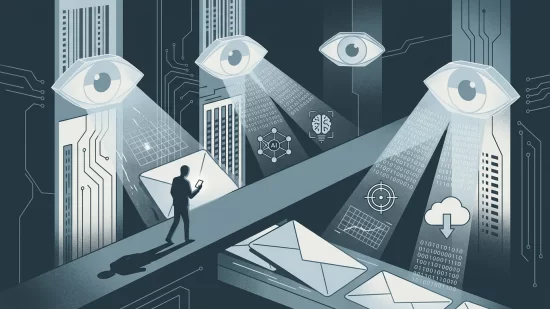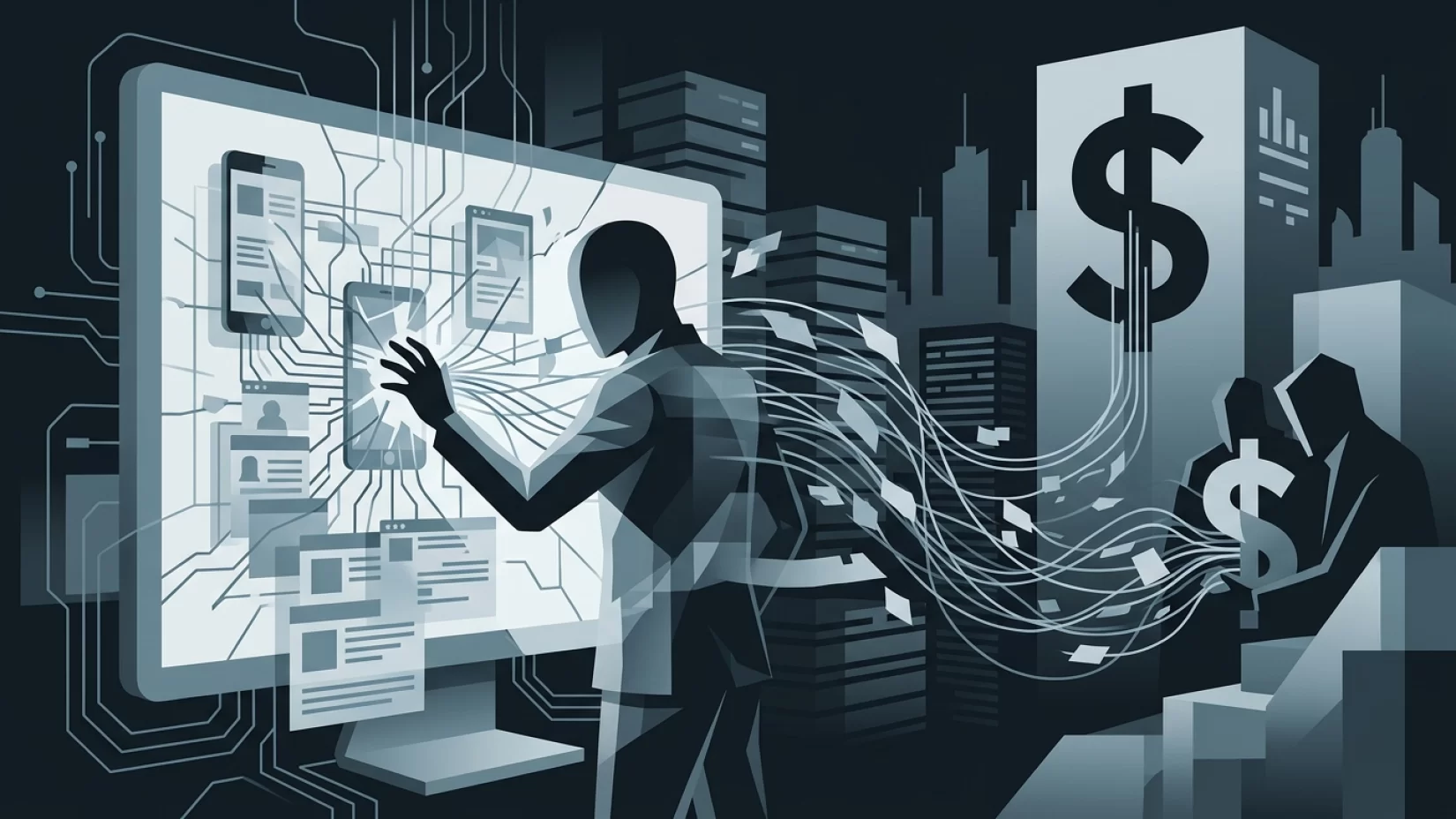
Have you ever wondered why so many apps are free? It’s tempting to think it’s just generosity or clever advertising, but the real answer is far more personal. Every time you download a free app—whether it’s a dating platform, flashlight, game, or weather service—there’s a good chance you’re handing over details about your life. Not just your name or email, but your location, your contacts, your browsing habits, and sometimes even more sensitive information. And here’s the kicker: much of this data doesn’t just stay with the app. It’s quietly packaged and sold to data brokers, sometimes without you even knowing. This isn’t just about targeted ads or annoying pop-ups. It can affect your privacy, your finances, and even your sense of safety. If you’ve ever felt uneasy about what your phone knows about you, you’re not alone—and you’re right to pay attention. Let’s dig into how free apps are quietly selling your personal data, what that really means for you, and what you can do to take back control.
Why Free Apps Want Your Data (And Not Just to Improve Their Service)
It’s no secret that app developers need to make money. If you’re not paying for an app, the company has to find another way to keep the lights on. Increasingly, that “other way” is selling your data. Many people assume that free apps make their money from ads, but what fuels those ads is the data collected from you and millions of other users. This includes your precise location, the contacts in your phone, your browsing habits, and even the way you interact with other apps.
Take dating apps, for example. According to a 2024 study by Mozilla, 80% of dating apps may share or sell user data for advertising purposes. That’s not just your profile picture and age; it can include your real-time location, who you’re talking to, and your preferences. The study found that many of these apps fail to protect this information adequately, making it even easier for your data to end up in the hands of data brokers—or worse, hackers.
And it’s not just dating apps. Weather apps, fitness trackers, flashlight tools, and social games often ask for permissions that seem excessive. Why does a weather app need your exact location at all times, or a flashlight app need access to your contacts? The answer is simple: because your data is valuable. Data brokers—a shadowy industry that most people never interact with directly—buy this information in bulk and resell it to advertisers, marketers, and sometimes less scrupulous actors.
Who’s Actually Buying Your Data?
It’s easy to imagine that your data just floats around in some anonymous cloud, but the reality is that there are entire companies whose sole business model is buying and selling personal information. These data brokers collect details from hundreds or thousands of apps, creating detailed profiles on individuals—sometimes even linking your online activity to your real-world identity.
In January 2024, the Federal Trade Commission (FTC) took the rare step of banning InMarket, a major data broker, from selling consumers’ precise location data. Why? Because InMarket was collecting location data from apps without meaningful user consent or transparency. This wasn’t just a slap on the wrist—the FTC recognized how dangerous it is for companies to know where you are at all times, especially when you never agreed to it in the first place.
And then there’s the case of X Corp (formerly Twitter). In September 2023, they faced a Dutch privacy class action lawsuit over their MoPub platform, which was accused of illegally trafficking millions of app users’ personal data. MoPub was used by thousands of apps to monetize user data, often without users realizing what was happening behind the scenes.
So, who buys this data? Advertisers are the obvious answer, but it doesn’t stop there. Insurers, financial institutions, political campaigns, and even law enforcement agencies have been known to purchase data from brokers. Sometimes, the data is supposedly “anonymized,” but in practice, it’s often possible to trace it back to individual users, especially when combined with other information.
Why Millions of Users Never Realize Their Data Was Exposed
Most people never read privacy policies. Even if you do, they’re often written in dense legal language that’s hard to understand. Apps may ask for permissions in a way that makes them sound necessary, even when they aren’t. For example, a game might request access to your location “to enhance gameplay,” but what it’s really doing is collecting information to sell to advertisers.
There’s also a widespread misconception that only social media apps are involved in selling user data. In reality, any app that’s free and has access to your phone’s sensors or data can potentially be a culprit. Many people believe that data brokers only sell aggregated, anonymized data that can’t be traced back to them. Unfortunately, that’s not always the case. With enough data points, it’s surprisingly easy to re-identify individuals.
Imagine this scenario: you download a free fitness app. It asks for your location to track your runs, access to your contacts to "find friends," and permission to read your phone’s activity logs. You agree, thinking it’s all part of the service. A few months later, you start seeing ads for local gyms, diet plans, and even products related to health issues you’ve never shared publicly. That’s your data, quietly working for someone else’s profit.
What’s Really at Stake: Beyond Annoying Ads
It’s tempting to shrug off data collection as the price of using free apps. After all, what harm can come from a few targeted ads? But the consequences can be more serious than most people realize.
- Targeted scams: If a scammer knows your location, habits, and interests, they can craft convincing phishing (fraudulent) messages that are much more likely to trick you.
- Potential identity theft: When your data is sold and resold, it can eventually end up in the hands of criminals who use it to impersonate you or access your accounts.
- Unwanted profiling: Insurers and lenders may use data from brokers to make decisions about your eligibility or rates—sometimes without your knowledge.
- Loss of trust: Many people feel violated when they discover how much apps know about them, leading to stress, confusion, and a sense of helplessness.
There’s also the issue of decision fatigue. When every app asks for a dozen permissions, it’s easy to just click “Allow” without thinking. Over time, you lose track of which apps have access to what. This “consent fatigue” is exactly what many companies count on.
Not All Free Apps Are Guilty—But Most Are Not Transparent
Let’s clear up a common myth: not every free app is selling your data. Some developers genuinely respect user privacy and rely on donations, limited ads, or paid features to make money. However, these apps are the exception, not the rule. The majority of popular free apps collect more data than they need, and many are not transparent about what happens to your information.
It’s also a mistake to think that only obscure or foreign apps are risky. Many well-known brands have been caught sharing data with third parties without proper consent. Regulatory bodies are starting to crack down, but the app industry is still largely self-policed, and enforcement is inconsistent at best.
Five Steps That Actually Reduce Your Risk
You don’t need to be a tech expert to protect your personal data. Here are practical steps you can take right now to reduce your risk:
- Review app permissions: Go through the apps on your phone and check what permissions each one has. On both iOS and Android, you can see which apps have access to your location, contacts, camera, and more. If an app doesn’t need a permission to function, revoke it.
- Read privacy policies (or at least summaries): While it’s unrealistic to read every word, look for clear statements about data sharing. If an app is vague or evasive, that’s a red flag.
- Use permission management tools: Both major mobile operating systems now offer tools to limit app access to your data. On iOS, you can set location access to “While Using the App” instead of “Always.” On Android, you can restrict background data access.
- Regularly audit your apps: Delete apps you no longer use or that seem to request too much information. Fewer apps mean fewer opportunities for your data to leak.
- Consider paid alternatives: Sometimes, paying a few dollars for an app is worth the privacy trade-off. Paid apps are less likely to rely on selling your data to make money.
Bonus tip: Don’t automatically sign in with your Google, Facebook, or Apple account unless you trust the app. These logins can share more data than you realize.
How to Spot Data-Hungry Apps Before You Download
Prevention is easier than cleanup. Before installing a new app, check:
- App store reviews: Users often mention privacy concerns in their reviews. Look for patterns—if multiple people complain about excessive permissions, take note.
- Developer reputation: Search the developer’s name online. Have they been involved in privacy scandals before?
- Permissions requested: On the app’s store page, check what data the app wants to access. If it seems excessive, think twice.
- Third-party trackers: Some websites and privacy tools can identify if an app uses third-party trackers. While not foolproof, this can help you make more informed choices.
Regulation Is Catching Up—But Not Fast Enough
Recent regulatory actions show that governments are starting to take data privacy seriously. The FTC’s ban on InMarket selling location data is a step in the right direction, and lawsuits like the one against X Corp’s MoPub platform are raising awareness. But the reality is that enforcement is slow, and the app industry moves fast. Comprehensive solutions—like stronger privacy laws and better enforcement—are still in development.
Until these protections are in place, the responsibility largely falls on individual users. It’s not fair, but it’s the world we live in right now.
Common Misconceptions That Can Put You at Risk
- "All free apps are bad." Not true, but most free apps do collect more data than you might expect. Don’t assume an app is safe just because it’s popular or has a high rating.
- "My data is anonymized, so I’m safe." Anonymization is not foolproof. With enough data points, it’s possible to re-identify individuals.
- "Only social media apps sell data." Any app with access to your data can be involved, from games to weather apps to utilities.
- "If I delete an app, my data is gone." Deleting an app does not erase data already collected and sold. Always check privacy settings and request data deletion if possible.
Why This Issue Deserves Your Attention
It’s easy to feel powerless in the face of widespread data collection, but awareness is the first step to regaining control. Your personal data is valuable—not just to advertisers, but to anyone looking to profit from your habits, interests, and even your location. By understanding how free apps make money and taking simple steps to protect yourself, you can reduce your risk and make more informed choices about what you share and with whom.
Don’t let convenience override your privacy. The next time an app asks for more than it needs, pause and ask yourself: is it worth it? Your data is yours. Treat it like you would your wallet or your house keys—something worth protecting, every single day.