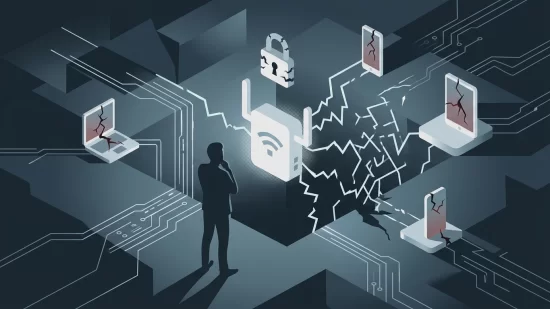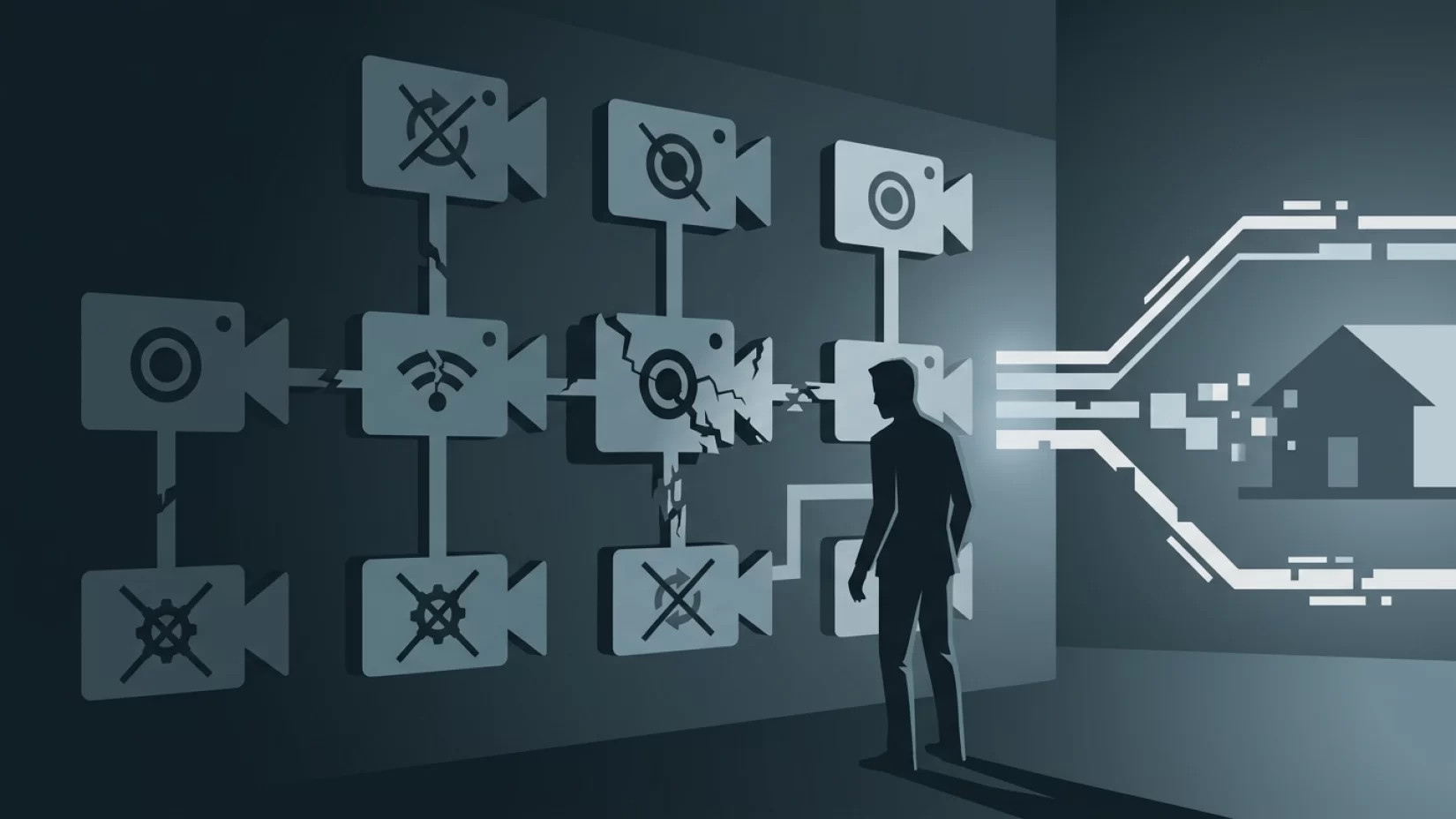
Home security is supposed to give you peace of mind. That’s why so many people have turned to affordable, easy-to-install IP cameras — those little Wi-Fi security cameras you can buy for under $40 on Amazon, Temu, or your local electronics shop. They promise to let you keep an eye on your home, your pets, your deliveries. But there’s a hidden cost to this convenience and low price: many of these budget-friendly cameras have zero security updates and never will. That’s not just a technical quirk. It’s a permanent, wide-open door for hackers, voyeurs, and cybercriminals. If you’re using one of these cameras — or thinking about buying one — it’s time to understand what’s really at stake.
Why Cheap Home Cameras Are So Popular — And So Problematic
Let’s be honest: nobody wants to spend a fortune just to watch their front porch or check on their dog. The market for affordable, unbranded IP cameras has exploded in recent years. You can get a camera for less than the price of a pizza, complete with night vision, motion alerts, and cloud viewing. They’re everywhere — and millions of people have installed them without a second thought.
But these low-cost cameras often come from anonymous manufacturers. They’re sold under dozens of different names (or no name at all), and they all share the same two dangerous traits: they ship with default passwords that almost nobody changes, and they rarely (if ever) receive security updates. That combination is a hacker’s dream.
What Happens When Your Camera Never Gets a Security Update?
Security updates (sometimes called firmware updates) are like vaccines for your devices. When a vulnerability is discovered — a bug that could let someone break in — a good manufacturer releases an update to fix it. But many budget cameras don’t even have the ability to update. Once a flaw is found, it’s there forever.
In 2024, researchers discovered a critical flaw in the AVTECH AVM1203 camera, a popular model sold worldwide. Hackers quickly began exploiting this flaw to install Mirai malware — a nasty piece of code that takes over devices and uses them for massive cyberattacks. There’s no fix, no patch, and no way for owners to make their cameras safe. The manufacturer stopped supporting the camera years ago. This isn’t a rare case. Many cheap cameras are exactly the same: no updates, no support, no protection.
Why Millions of Users Never Realize Their Data Was Exposed
Most people assume that if something goes wrong with their camera, they’ll notice. Maybe the video stream will go down, or the app will stop working. But that’s not how these attacks work. Hackers are careful. They slip in quietly, using the default password or a known vulnerability. They can watch your video feed, record footage, or even use your camera to attack other people’s computers — all without leaving a trace.
It’s not just about privacy. When a camera is hijacked, it can become part of a botnet (a network of hacked devices). The infamous Mirai botnet, for example, used thousands of compromised cameras and other gadgets to launch huge attacks that took down major websites. Your camera could be helping criminals, and you’d never know.
Common Myths About IP Camera Security
- “All cameras are secure by default.” Unfortunately, most cheap cameras are not. Default passwords and outdated software make them easy targets.
- “Changing the password is enough.” It’s a good start, but if the camera has a deeper flaw (like the AVTECH AVM1203), it can still be hacked — even with a strong password.
- “Firmware updates happen automatically.” That’s true for some big-name brands, but most budget and unbranded cameras never get updates at all. Some can’t even be updated if you wanted to.
- “Nobody would bother hacking my camera.” Hackers don’t care who you are. They want access, not your identity. Cameras are valuable for spying, for launching attacks, and for selling access to others.
- “Old cameras are just as safe as new ones.” In reality, older and unsupported cameras are often the most vulnerable.
Real-World Examples: When Cheap Cameras Go Bad
Let’s look at what’s happened in just the past year:
- AVTECH AVM1203: In 2024, this camera was found to have an unpatchable vulnerability. Hackers used it to install Mirai malware, turning home cameras into attack tools. There is no fix — not now, not ever.
- Zavio CF7500 and Edimax IC-7100: These cameras were found to have serious flaws, including command injection (where hackers can take over the device completely) and outdated software. Again, no updates are available.
- Unbranded Wi-Fi Cameras: Many cameras sold on Amazon, Temu, and similar platforms are nearly impossible to trace to a real company. Researchers have shown that some of these devices leak images and can be taken over in seconds.
These aren’t rare, isolated cases. They’re symptoms of a much bigger problem: a market flooded with devices that are insecure by design.
The Human Cost: Stress, Confusion, and Lost Trust
When you buy a home security camera, you expect it to protect you — not put you at risk. But the fallout from a hacked camera isn’t just technical. It’s deeply personal. Imagine learning that a stranger has watched you and your family through your own camera. Or discovering that your internet connection is being used for criminal activity. Even if you’re not directly targeted, the stress and anxiety can be real. People often feel embarrassed, confused, or angry when they find out their device was compromised. It’s not your fault, but the consequences are yours to deal with.
How to Tell If Your Camera Is At Risk
Wondering if your camera is vulnerable? Here are some warning signs:
- It’s unbranded or from a company you’ve never heard of. If you can’t easily find the manufacturer’s website, support information, or firmware updates, that’s a red flag.
- It shipped with a default password like “admin/admin” or “123456.” If you never changed it, your camera is an easy target.
- There’s no way to update the firmware. Check the settings menu or the manufacturer’s website. If updates aren’t available or haven’t been released in years, that’s a problem.
- The camera is several years old and no longer sold. Discontinued models rarely receive updates.
- Your network seems slower than usual, or you notice unusual data usage. This could be a sign that your camera (or another device) is compromised and being used for something else.
Five Steps That Actually Reduce Your Risk
If you already own a budget IP camera, don’t panic. Here’s what you can do right now to improve your security:
- Change the default password immediately. Use a strong, unique password that’s not used anywhere else. This blocks the easiest attacks.
- Check for firmware updates. Visit the manufacturer’s website (if you can find it) and look for updates. If there’s no update available, or if the last update was years ago, consider replacing the camera.
- Isolate the camera on a separate Wi-Fi network. Many routers let you create a "guest" network. Put your camera there so it can’t access your other devices if it’s hacked.
- Monitor your network for unusual activity. Some routers and security apps can show you which devices are using lots of data. If your camera is sending or receiving more than expected, investigate further.
- Research before buying a new camera. Look for brands with a clear history of providing security updates. Read reviews that mention security, not just features or price.
What to Look For: Choosing a Safe Home Security Camera
Not all cameras are created equal. Here’s what you should check before buying:
- Regular security updates: Does the manufacturer provide updates? How often? Can you find a support page?
- Brand reputation: Look for established brands with a track record of fixing flaws. Avoid cameras with no identifiable brand or support site.
- Update process: Is it easy to update the firmware? Are you notified when updates are available?
- Clear privacy policy: Does the company explain how your data is stored and protected?
- Two-factor authentication (2FA): Some modern cameras offer 2FA for accessing the app. This adds another layer of protection.
Yes, these cameras might cost a bit more. But in the long run, they’re a much safer investment for your home and your peace of mind.
Broader Implications: When Cheap Tech Becomes Everyone’s Problem
This isn’t just about your living room. When millions of insecure cameras are connected worldwide, they become a global problem. Criminals use them to attack websites, disrupt services, and invade privacy on a massive scale. Even if your own footage isn’t targeted, your device could be helping someone else cause harm. It’s not fair, but it’s reality.
Manufacturers who cut corners on security are gambling with your safety — and everyone else’s. It’s time for consumers to demand better, and for retailers to stop selling devices that can’t be secured. Until that happens, a little extra caution goes a long way.
Final Thoughts: Don’t Settle for Permanent Risk
Cheap, unbranded IP cameras promise security, but often deliver the opposite. With no updates, no support, and default passwords, they leave your home wide open to threats that won’t go away on their own. The good news? You’re not powerless. By understanding the risks, making smart choices, and taking simple steps to protect your devices, you can take back control.
Don’t let a bargain price put your privacy — and the safety of your home — at risk. Choose wisely, stay curious, and remember: a little skepticism is your best defense in the world of smart home tech.