Smart energy meters have quietly become the norm in millions of homes across the globe. They promise more accurate billing, real-time energy insights, and a greener grid. But behind these benefits, there’s a growing concern that most people haven’t considered: the detailed data these meters collect can reveal far more about your life than you might expect. Recent research has uncovered security weaknesses in smart meters, raising uncomfortable questions about who might be able to see when your home is empty, how your private routines could be exposed, and what you can actually do about it. If you’ve never thought twice about that little box on your wall, now’s the time to start paying attention.
What Smart Meters Really Know About You
Let’s clear up what a smart meter actually does. Unlike old-school analog meters, which only showed a running total of your energy use, smart meters record electricity consumption in fine detail—sometimes minute by minute. This information is sent to your utility company over a secure (or, as we’ll see, sometimes not-so-secure) connection. The idea is to make billing fairer, reduce waste, and help utilities manage the grid more efficiently.
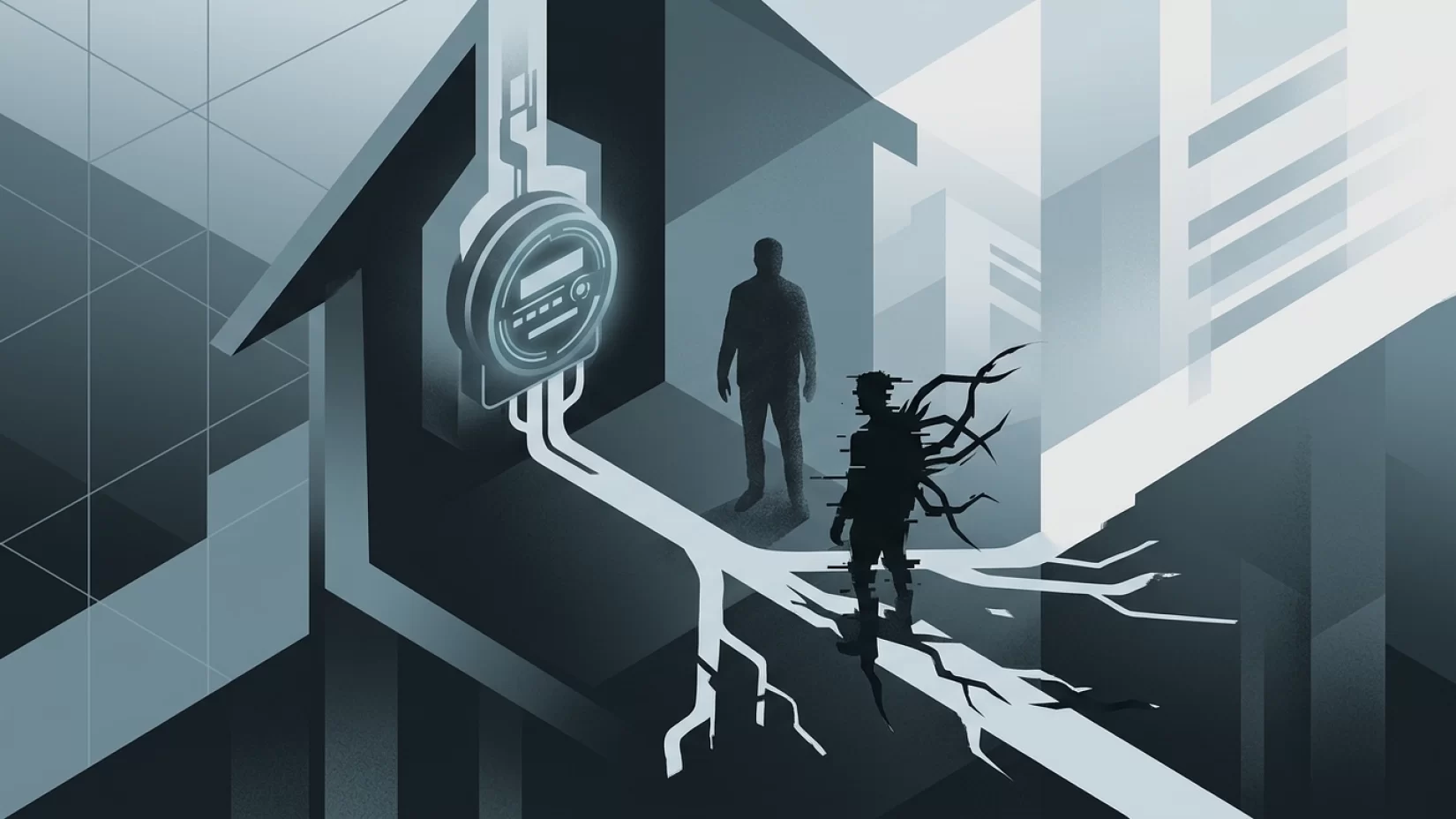
But here’s the catch: this data isn’t just about kilowatt-hours. It paints a vivid picture of when you’re home, when you’re asleep, and even when you go on vacation. Researchers have demonstrated that, by analyzing smart meter data, it’s possible to figure out daily routines and spot periods when a house is empty. In other words, what’s meant to make life easier can also turn into a privacy headache if it falls into the wrong hands.
Security Flaws: What Researchers Have Found
Over the past few years, security researchers have taken a close look at smart meters and the networks they use. Their findings are unsettling. According to studies published in respected journals (see: mdpi.com), many smart meters have vulnerabilities that could allow unauthorized access to the data they collect. In some cases, these weaknesses stem from outdated encryption methods, poorly configured communication protocols, or a lack of regular software updates.
To be clear, there’s no evidence that these flaws have been exploited in major, real-world attacks—yet. But the vulnerabilities are real, and they’re present in tens of millions of devices installed in homes right now. The research shows that, without proper safeguards, someone with technical know-how could potentially intercept or access your energy usage data.
Why This Isn’t Just a Technical Problem
It’s easy to dismiss this as a niche issue for techies or privacy advocates. But the consequences go far beyond a few lines of code. Imagine this: a criminal group figures out how to tap into smart meter data in your neighborhood. They look for patterns that show houses sitting empty during work hours or longer stretches—perfect information for planning a break-in. Or, less dramatically but more commonly, companies could use this data to build detailed profiles for targeted advertising or even insurance risk assessments.
Even if you trust your utility provider, the risk is that data could leak due to poor security or be sold to third parties without your clear consent. And while regulators are catching up, the pace of smart meter rollout has far outstripped the implementation of strong, enforceable security standards.
Common Myths That Put People at Risk
- Myth 1: “Smart meters are secure by default.” Many people assume that because smart meters are installed by major utility companies, they must be safe. Unfortunately, research shows that’s not always the case. Security varies widely between manufacturers and regions.
- Myth 2: “No one cares about my energy data.” It’s tempting to believe your daily routines aren’t interesting to anyone. But aggregated data is valuable—to marketers, insurers, and, in the worst case, criminals. Your privacy is worth protecting, even if you don’t see an immediate threat.
- Myth 3: “If there was a real risk, I’d have heard about a big hack.” Just because there haven’t been high-profile incidents reported doesn’t mean the risk isn’t real. Vulnerabilities often go unnoticed or unreported until after significant damage is done.
Who Is Most Affected—and Why Most People Don’t Notice
If you have a smart energy meter, you’re potentially affected. That includes tens of millions of households across Europe, North America, Asia, and beyond. The scale is massive, but the risk feels invisible because most people never see the data their meter sends out. You don’t get a notification when your data is accessed, and you’re unlikely to notice if your meter is communicating with someone it shouldn’t be.
One reason so many people remain unaware is that smart meter vulnerabilities aren’t flashy. There’s no obvious sign of a break-in, no pop-up warning, no ransom note. The danger is more subtle: the slow, silent leakage of personal information that can be used in ways you never intended.
What Could Happen If Your Data Gets Out
Let’s walk through a few scenarios to make this real:
- Scenario 1: Burglary risk. If someone can see when your home is consistently empty, they know when it’s safest to break in. This isn’t science fiction—researchers have shown it’s technically possible to infer occupancy patterns from smart meter data.
- Scenario 2: Targeted advertising and profiling. Your daily routines could be sold to advertisers or insurance companies, leading to more invasive marketing or even changes in your insurance premiums. You might never know why your rates went up or why you’re seeing certain ads.
- Scenario 3: Loss of trust and peace of mind. Even if nothing bad happens, knowing that your private life could be exposed can cause stress, anxiety, and a feeling of being watched in your own home.
It’s important not to panic—no widespread attacks have been reported. But the consequences, if these vulnerabilities are exploited, could be very real for affected families.
Why Fixes Aren’t Arriving Overnight
Unfortunately, there’s no quick fix for these security flaws. As of now, most smart meters in use haven’t been patched or upgraded to address the vulnerabilities researchers have found. Part of the problem is the sheer number of devices already installed. Replacing or updating millions of meters is a huge logistical and financial challenge for utilities.
Regulators are starting to take notice. The European Union’s Cyber Resilience Act, set to take effect by 2027, will force manufacturers to adopt stronger security standards. But that’s years away, and it only covers new devices—not the ones already in your home.
Five Steps That Actually Reduce Your Risk
While you can’t patch your own smart meter, there are practical things you can do to protect your privacy and push for better security:
- Contact your utility provider. Ask what security measures are in place for your smart meter. Are they using strong encryption? How often is the software updated? You have a right to know.
- Request information on data access. Find out who can see your energy usage data and under what circumstances. Ask if your data is shared with third parties or used for purposes beyond billing.
- Stay informed about updates. Utilities sometimes issue firmware updates to fix vulnerabilities. Make sure you’re on any notification lists for updates or security patches.
- Limit unnecessary data sharing. Some utilities offer apps or online dashboards that share even more detailed data. Use these with caution, and avoid sharing access with third-party services unless you trust them.
- Advocate for stronger standards. Let your utility provider and local representatives know that you care about privacy and security. Public pressure can speed up the adoption of better protections.
What to Watch For in the Coming Years
Smart meters aren’t going away—they’re central to plans for more sustainable, efficient energy systems. But as more devices go online, the risks will only grow unless manufacturers and utilities take security seriously. The upcoming EU regulations are a step in the right direction, but it will take years for these changes to reach everyone.
In the meantime, don’t assume your privacy is protected just because a device is installed by a reputable company. Stay curious, ask questions, and push for answers. The more people demand transparency and security, the faster the industry will move to fix these problems.
Smart Meter Security: A Moderate Risk, But Not One to Ignore
So, where does all this leave you? The risk from smart meter vulnerabilities is best described as moderate. There’s no need for panic—no widespread attacks or data leaks have been reported so far. But the potential consequences are serious enough that you shouldn’t ignore the issue. By staying informed and taking a few proactive steps, you can protect your privacy and help push the industry toward safer, more responsible technology. Think of it as locking your front door—not because you expect a break-in, but because it’s the smart thing to do.