Imagine coming home after a weekend away to find your valuables gone — and your wireless alarm system never made a sound. You check the app, expecting an alert, a video, something. But there’s nothing. The system claims everything is fine. Unfortunately, this isn’t a rare Hollywood-style heist. It’s a growing real-world problem: burglars using cheap, illegal radio jammers to silently disable wireless home alarms and cameras before breaking in. No sirens, no notifications, no warning. For anyone relying on a wireless alarm system (and that’s millions of us), understanding this risk isn’t just technical trivia — it’s about the real security of your home, your family, and your peace of mind.
This article will walk you through how wireless alarm jamming works, what’s happening in neighborhoods right now, and — most importantly — what you can do to actually protect yourself. We’ll cut through the hype, call out the companies who aren’t doing enough, and help you make smart, practical decisions about your home security. Let’s get into it.
How Can Wireless Alarms Be Silently Disabled?
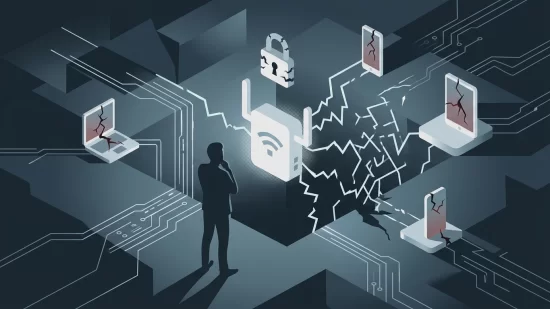
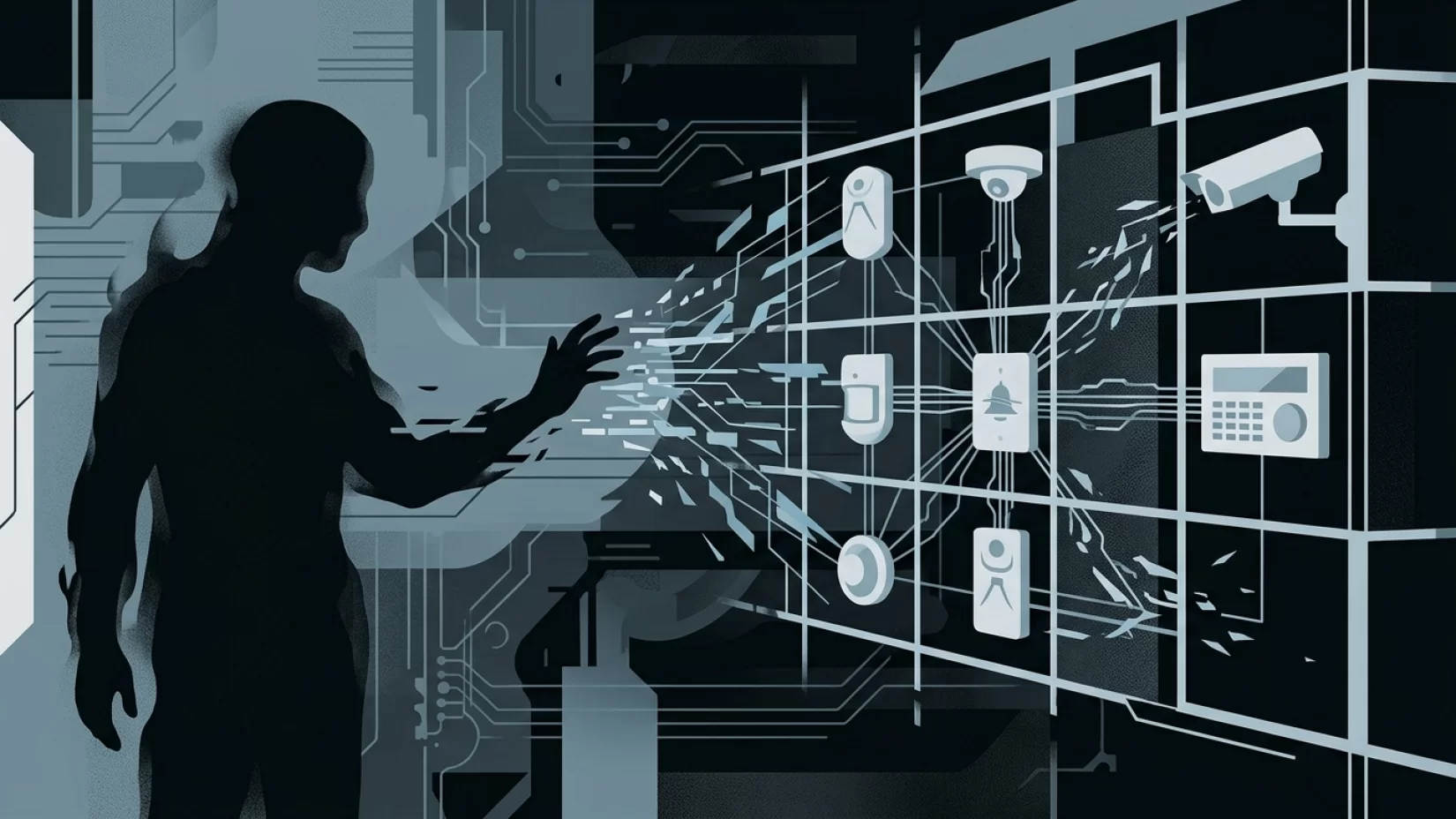
Wireless home alarm systems use radio signals to connect sensors (like door contacts, motion detectors, and cameras) to a central hub. When a sensor is triggered, it sends a signal to the hub, which then sounds the alarm and notifies you (and sometimes the police). This wireless setup is convenient — no drilling through walls or running wires. But it also creates an invisible Achilles’ heel: if someone disrupts those radio signals, the alarm can’t do its job.
This is where radio jamming comes in. A jammer is a device that floods the area with radio noise, drowning out the signals between your sensors and the hub. The result? Your sensors can’t talk to the hub. If a burglar opens a window or walks past a motion detector during the jam, the alarm never knows. Worse, most systems don’t alert you that anything is wrong — they just go quiet.
Think of it like someone cutting the phone line before breaking into a house in the old days. The difference now is that the “cut” is wireless, silent, and leaves no physical trace.
What’s Happening in the Real World?
This isn’t a hypothetical risk. In March 2024, the Los Angeles Police Department warned residents about a string of burglaries where thieves used Wi-Fi jammers to disable home security systems. In Minnesota, police linked nine high-end burglaries to similar jamming devices. The criminals targeted homes with visible security cameras and wireless alarms, jammed the signals, and entered undetected — often through second-story balconies or less obvious points of entry.
These aren’t isolated cases. As more homes adopt wireless alarms and smart cameras, the number of jamming incidents is rising. Jammers themselves are illegal in the U.S., but that hasn’t stopped them from being widely available online for as little as $40. For a determined burglar, the investment is small compared to the potential haul.
Why Millions of Users Never Realize Their Data Was Exposed
One of the most unsettling aspects of jamming attacks is that you often won’t know it happened until it’s too late. Most wireless alarm systems simply don’t have reliable ways to detect when their signals are being jammed. Some systems claim to have “anti-jamming” features, but in practice, these are often basic — they might notice if a sensor suddenly goes silent, but they can’t always distinguish between a dead battery, a technical glitch, or a deliberate attack.
So, if you’re counting on your alarm to warn you about a break-in, you might be left in the dark. In many of the reported cases, homeowners only discovered the jamming after the fact — when reviewing footage (if it existed) or when the police investigated the scene. This lack of visibility is a major blind spot in modern home security.
Common Misconceptions That Put Homes at Risk
- "My system has anti-jamming, so I’m safe." Many manufacturers advertise anti-jamming features, but these are not foolproof. Some only detect the most obvious attacks, while others do nothing at all. There’s no industry standard, and some brands are more transparent than others about their weaknesses.
- "Jamming attacks are rare — it won’t happen to me." The reality is that as jammers get cheaper and more available, and as more homes adopt wireless alarms, these attacks are becoming more common. Police warnings and recent burglaries show this isn’t just a big-city problem.
- "If my system is jammed, I’ll get an alert." Most wireless alarms do not notify you during a jamming attack. You may only find out after a break-in, if at all.
- "Wired and wireless systems are equally secure." Wired systems are not vulnerable to radio jamming — but they can have other weaknesses, like physical tampering. Still, for the specific risk of jamming, wires are safer.
Who Is Most at Risk?
If your home relies on any wireless alarm system, Wi-Fi cameras, or smart home sensors, you’re potentially exposed. This includes:
- Families using DIY wireless alarm kits
- Apartment dwellers who can’t install wired systems
- Remote workers with smart locks or cameras
- Anyone with a professionally installed wireless security system
Even if you live in a “safe” neighborhood, the risk isn’t zero. Burglars aren’t just targeting mansions; they often look for homes with visible smart devices and easy wireless setups. If you’ve ever posted about your new security system on social media (or have a branded sign in your yard), you might be advertising exactly what a tech-savvy thief wants to see.
The Human Impact: More Than Just Stolen Stuff
When a security system fails, the loss isn’t just about missing jewelry or electronics. There’s the stress of knowing someone was in your home, the confusion about how it happened, and the anxiety of not being able to trust your own security. Many people feel embarrassed, blaming themselves for not choosing a “better” system, even though the manufacturers rarely warn about these risks.
Decision fatigue can set in, especially when trying to choose between dozens of security products, each claiming to be the safest. And after a jamming attack, some homeowners lose trust not just in their alarm, but in the very idea of smart home security.
Why Aren’t Companies Doing More?
It’s frustrating, but many alarm companies downplay the jamming risk. Some bury warnings in fine print, while others boast about anti-jamming tech that only works in ideal lab conditions. There’s no universal fix, and the industry lacks clear standards for what counts as “jamming protection.”
Some newer systems do have better detection, but there’s still no guarantee you’ll be notified in real time. And because jammers are illegal, companies sometimes act as if the problem doesn’t exist. That’s not good enough — especially when the stakes are your home and safety.
Five Steps That Actually Reduce Your Risk
- Consider a wired system for critical sensors. If possible, use wired connections for key entry points (front and back doors, main windows). Wired alarms aren’t affected by radio jamming, though they do require more installation effort.
- Choose security systems with real anti-jamming features. When shopping for a new system, ask specifically about how it detects and responds to jamming. Look for products that alert you if sensors go silent or if the radio spectrum is flooded with noise. Don’t just trust marketing claims — read reviews and ask tough questions.
- Install cameras with local storage. Many Wi-Fi cameras rely on cloud uploads, which can be disrupted by jamming. Cameras that record to a local SD card or hard drive can still capture footage even if the wireless signal is blocked.
- Reinforce physical security. Alarms are just one layer. Strong deadbolts, window locks, and reinforced doors make it harder for burglars to get in — even if they manage to jam your system.
- Stay informed and vigilant. Keep up with alerts from your local police, especially if there are reports of jamming in your area. Regularly test your system and look for any unexplained outages or sensor failures. If your alarm stops working for no clear reason, don’t ignore it.
Signs Your System Might Be Jammed (And What To Do)
Unfortunately, most wireless alarms won’t send you a clear “I’m being jammed!” message. But there are a few warning signs:
- Multiple sensors suddenly go offline or stop responding
- Your app shows "device unavailable" messages for several devices at once
- Your Wi-Fi network becomes unstable or drops out for no clear reason
- Physical signs of tampering near your entry points (even if the alarm didn’t sound)
If you suspect jamming, contact your alarm provider and local police. Document any outages or strange behavior. And if you’re home during a suspected attack, don’t confront intruders — prioritize your safety and call for help.
Legal and Broader Implications
It’s worth repeating: owning or using a radio jammer is illegal in the United States and many other countries. But that hasn’t stopped them from being sold online, or from criminals using them in break-ins. For ordinary homeowners, this means you can’t (and shouldn’t) buy a jammer to “test” your own system. Instead, focus on prevention and layered security.
On a bigger scale, the rise of jamming attacks points to a need for better industry standards and more honest communication from alarm companies. As smart homes become more common, so do the risks — and it’s up to both manufacturers and consumers to push for safer, more resilient systems.
Bottom Line: Wireless Alarms Need a Reality Check
Wireless home alarms offer convenience and flexibility, but they come with real, growing vulnerabilities. Jamming attacks are no longer just a theoretical risk — they’re happening in neighborhoods across the country, and the tools are getting cheaper and easier to use. No system is perfect, but you can take practical steps to make your home much harder to target.
Don’t let alarm companies lull you into a false sense of security. Ask hard questions, use layered defenses, and stay alert to new threats. Your peace of mind is worth it — and so is your home.