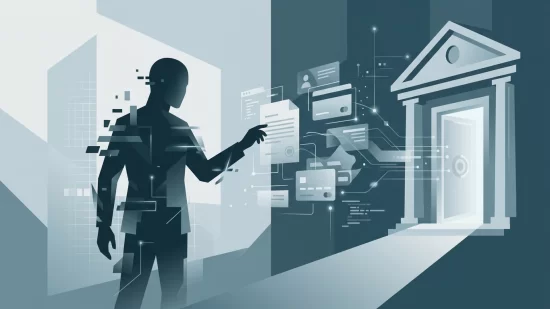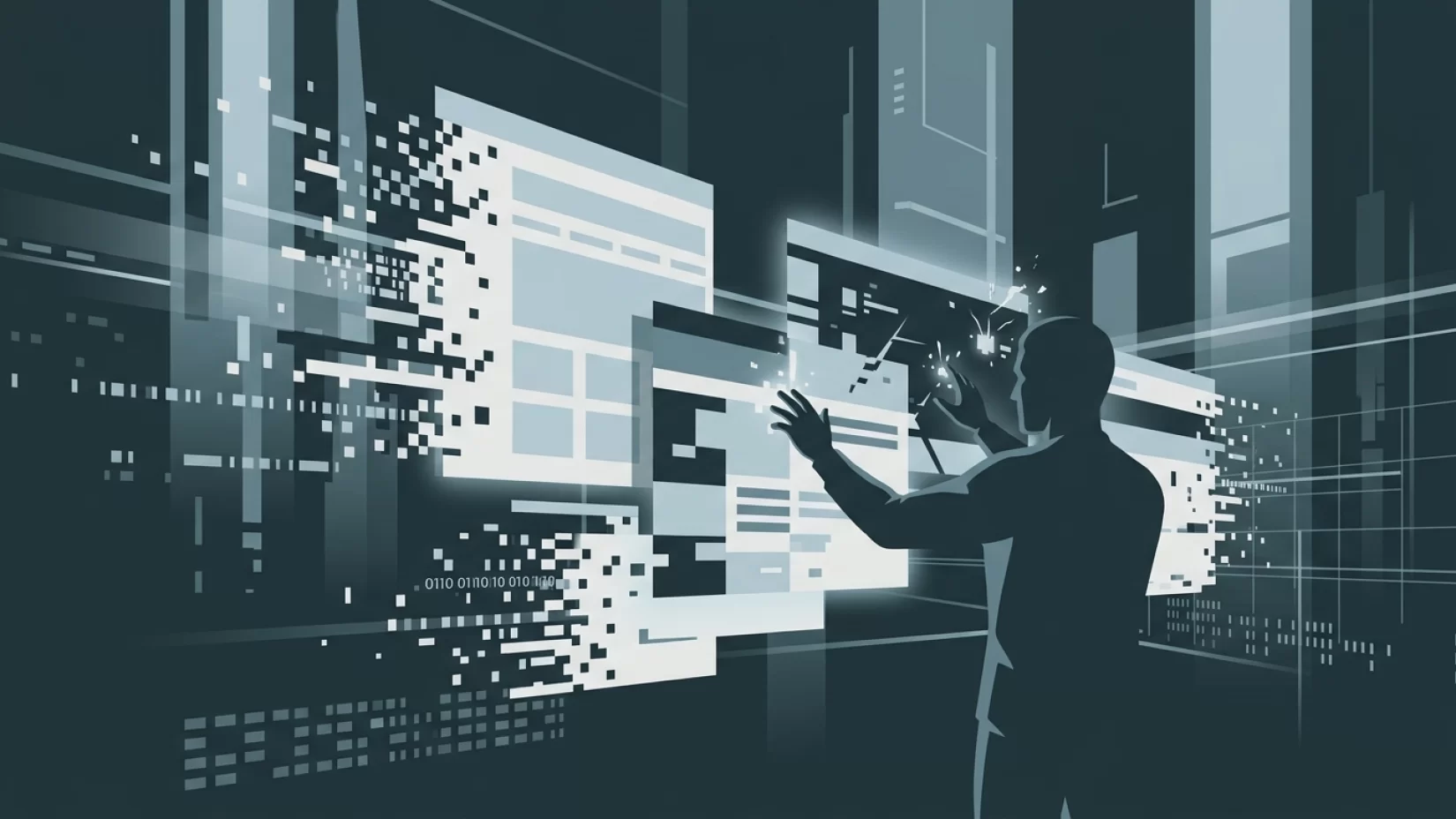
It’s a moment most of us have experienced: you need to log in to your bank account or check a government portal, so you type the name into Google, tap the top result, and—without a second thought—start entering your details. But what if the website you’re looking at isn’t the real thing? Thanks to recent advances in artificial intelligence, cybercriminals are now creating pixel-perfect clones of legitimate bank and government websites. These fakes are so convincing, even careful users are sometimes fooled. The consequences? Lost money, stolen identities, and a growing sense of anxiety about who to trust online.
This isn’t just a tech problem or a distant risk. In 2024 alone, scams impersonating government websites cost people nearly $800 million, and the number is rising fast. AI has made it easier than ever for scammers to build websites that look, feel, and even behave exactly like the real thing. If you’re not paying close attention, it’s almost impossible to spot the difference—until it’s too late. So how can you tell if you’re on a genuine site or an AI-generated fake? Let’s break down what’s happening, why it matters, and most importantly, what you can do to protect yourself before you ever type in your password.
AI Has Changed the Phishing Game—Here’s How
Phishing, in simple terms, is when someone tries to trick you into giving away personal information—like your bank login or social security number—by pretending to be a trusted organization. In the past, fake websites often looked sloppy: typos, blurry logos, odd layouts, and broken links were common giveaways. Today, that’s no longer the case.
With AI tools, scammers can now generate websites that are nearly indistinguishable from the real thing. They use advanced image generation, language models, and even automated scripts to copy every pixel, every button, and every legal disclaimer. Some phishing kits even coach criminals step-by-step on how to make their sites more believable, right down to the cookie consent pop-ups and user agreements you’d expect from a legitimate bank or government portal.
Recently, the FBI and Google helped dismantle a China-based operation called Outsider Enterprise, which sold AI-powered phishing kits to fraudsters worldwide. These kits allowed anyone—no tech skills required—to spin up a fake banking or government site in minutes. The result: a flood of ultra-convincing fakes targeting people everywhere, not just in the US or Europe.
Why Millions of Users Never Realize Their Data Was Exposed
One of the most dangerous aspects of these AI-powered fakes is how they exploit trust. Most of us have been taught to look for obvious signs of fraud: misspelled words, sketchy graphics, or a lack of HTTPS (the padlock in your browser). But AI clones check all those boxes. They use HTTPS, display the padlock, and even include privacy policies and cookie banners. In fact, many of these sites look better than some legitimate ones.
Here’s a scenario: You get an email that looks like it’s from your bank, warning you about suspicious activity. You click the link, land on a site that looks exactly like your bank’s login page, and enter your credentials. The site thanks you and redirects you to the real bank website—so you never suspect a thing. Meanwhile, your details have been stolen, and the attackers now have access to your account. This kind of seamless deception is becoming more common, and it’s why so many victims don’t realize what’s happened until money disappears or personal data is misused.
Misconceptions That Put You at Risk
- "It has HTTPS, so it must be safe." This is one of the most persistent myths. Scammers can get HTTPS certificates for their fake sites just as easily as anyone else. The padlock means the connection is secure, not the website itself.
- "Only poorly made websites are fake." Not anymore. AI has leveled the playing field, so fakes can be flawless—down to the tiniest detail.
- "AI-generated content is always perfect." While AI can make things look perfect, it can also make subtle mistakes a human might not. But these errors are getting harder to spot, and some fakes are now virtually error-free.
What Makes These Fakes So Dangerous?
It’s not just about looks. AI-powered phishing sites are dangerous because:
- They’re cheap and easy to make, so scammers can target thousands of people at once.
- They’re distributed through multiple channels—email, text messages, social media, and even ads.
- They can quickly adapt to new security features or warnings, making them a moving target for both users and security professionals.
- They often collect your information instantly and use it before you even realize you’ve been tricked.
For regular people, this means you can no longer rely on "gut feeling" or visual clues alone. The line between real and fake is now razor-thin.
Real-World Impact: Stress, Confusion, and Financial Loss
Let’s be clear: falling for one of these scams isn’t a sign of carelessness. The technology is designed to fool even the cautious. But the consequences can be very real. Victims often report feeling embarrassed, stressed, or angry—not just about losing money, but about the invasion of privacy and the hassle of fixing the mess.
Financial loss is the most obvious risk. Once scammers have your login details, they can drain your accounts or use your identity to open new lines of credit. But there’s also the emotional toll: the anxiety of not knowing who has your data, the time spent on the phone with banks or government agencies, and the lingering worry that something else could go wrong.
Five Steps That Actually Reduce Your Risk
While there’s no magic bullet, these practical steps can dramatically lower your chances of being fooled by an AI-generated fake:
- Always check the URL—letter by letter. Scammers often use addresses that are almost identical to the real thing. Look for tiny differences: swapped letters, extra dashes, or unusual endings (like .info instead of .gov or .com).
- Don’t rely on search results or links in messages. Cybercriminals buy ads and manipulate search rankings, so the top result isn’t always the real site. Instead, bookmark the official website or type the address directly into your browser.
- Use multi-factor authentication (MFA) wherever possible. MFA adds an extra layer of security, so even if your password is stolen, it’s much harder for scammers to access your account.
- Be skeptical of urgent requests. Messages that pressure you to act fast—"your account is locked!"—are a classic phishing tactic. Take a breath and verify through official channels.
- Consider browser security tools. Some browsers and security extensions warn you if a site is known for phishing. While not perfect, these tools can catch many common scams.
What To Do If You Think You’ve Been Fooled
If you realize you’ve entered your details on a fake site, don’t panic—but act quickly:
- Immediately change your password for the affected account.
- Contact your bank or the relevant government agency to alert them. They can help monitor for suspicious activity or freeze your account if needed.
- Enable multi-factor authentication if you haven’t already.
- Keep an eye on your accounts for unauthorized transactions or changes.
- Consider reporting the fake website to your country’s cybercrime authority or the real organization being impersonated.
Remember, you’re not alone. Millions of people are targeted every year, and responsible companies will never shame you for reporting a scam.
Why There’s No "Patch" For This Problem—And Why That Matters
Unlike a computer virus, there’s no software update that can fix the problem of AI-generated phishing sites. The issue isn’t in your device—it’s in the way we interact with the web. As long as scammers can use AI to spin up convincing fakes, the best defense is a mix of vigilance, skepticism, and practical habits.
Companies and governments have a responsibility to make their websites as distinctive and secure as possible, but many still fall short. Some don’t invest enough in security or user education, leaving the burden on consumers. That’s not fair, but it’s the reality we have to navigate for now.
Looking Ahead: Can AI Be Used For Good?
It’s not all doom and gloom. The same AI that helps scammers can also help defenders. Banks, governments, and security companies are using AI to spot and block phishing sites faster than ever. Some browsers and email providers are getting better at filtering out suspicious links. But the technology is always evolving, and there will always be a gap between what attackers and defenders can do.
For now, the smartest move is to stay informed, trust your instincts—but verify everything. Bookmark important sites, double-check URLs, and don’t let urgency cloud your judgment. If something feels off, it’s worth taking a closer look.
Bottom Line: Confidence, Not Fear
AI-generated fake websites are a real and growing threat, but you don’t have to live in fear. With a few simple habits and a healthy dose of skepticism, you can protect yourself and your loved ones from even the most convincing scams. The digital world isn’t getting any simpler, but with the right knowledge, you can navigate it safely and confidently—no panic required.