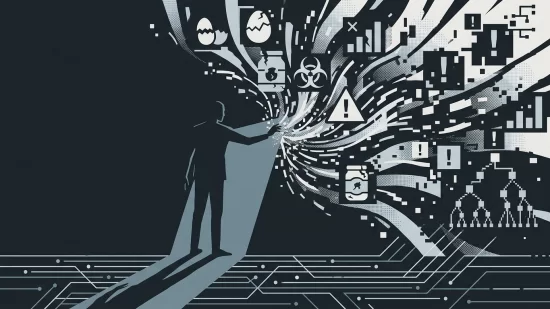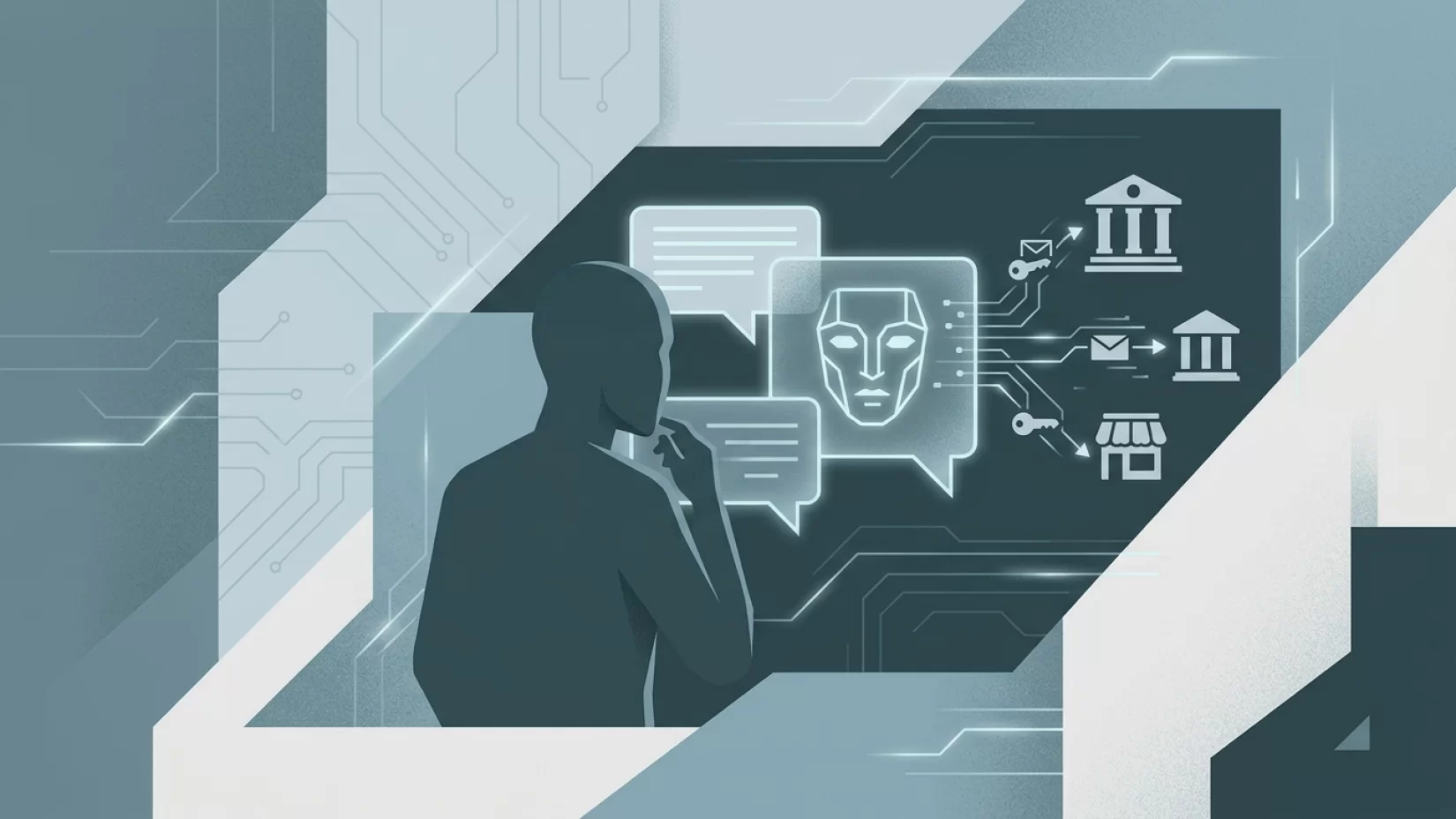
Imagine this: you’re locked out of your bank account, and in a moment of frustration, you turn to the company’s website for help. A friendly chat window pops up, offering instant support. The conversation feels real—helpful, responsive, even reassuring. But minutes later, you realize you’ve handed over your account password and credit card details to a scammer. This isn’t a scene from a cyber-thriller. It’s happening to regular people every day, thanks to a new breed of fake AI customer service bots.
These scams aren’t just technical tricks—they’re personal. They can drain your bank account, compromise your identity, and leave you feeling violated and confused. With AI-powered chatbots now able to mimic real company support channels almost perfectly, it’s getting harder than ever to tell the difference between genuine help and a well-disguised trap. So how do you protect yourself? Let’s break down the risks, the warning signs, and the steps you can take to stay safe.
AI Chatbots: From Helpful Assistant to Fraudster’s Tool
AI chatbots have become a staple of online customer service. They answer questions, reset passwords, and help you track orders—often faster than a human ever could. But there’s a dark side to this convenience. Scammers are now using the same AI technology to build convincing fake customer service bots that impersonate banks, retailers, and service providers.
Unlike the old days of clumsy scam emails, these bots can hold realistic conversations. They respond in real time, use company logos, and even simulate the tone and style of official support. In some cases, they can reference your recent transactions or personal details—information they’ve scraped from data breaches or social media.
In November 2025, for example, deepfake technology was used to create bots that mimicked major retailers’ customer service agents. Shoppers who reached out for order help were guided through what seemed like a legitimate process, only to have their payment details stolen. In another real-world case from June 2026, a user lost $150 after an AI chatbot recommended a fake online store, guiding them step-by-step through a fraudulent purchase.
Why Millions of Users Never Realize Their Data Was Exposed
One of the most dangerous aspects of AI-powered customer service scams is how seamless they feel. Unlike old-school phishing (fake messages designed to trick you into revealing information), AI bots can answer follow-up questions, clarify doubts, and even offer to escalate your issue to a “supervisor.”
Most people assume that if a chat window appears on a company’s website—or if a support number is listed in a search result—it must be real. But scammers are skilled at hijacking these trust signals. They can buy ads that appear above official search results, set up lookalike websites, or send you links via email or text that lead to fake support portals. Once you’re in the conversation, the bot’s convincing responses lower your guard.
By the time someone realizes they’ve been scammed, it’s often too late. The bot has already collected passwords, credit card numbers, or answers to security questions. Worse, many victims never even realize their information was stolen until money disappears from their account or they face a wave of fraudulent charges.
Common Misconceptions: Don’t Fall for These Myths
- "All AI chatbots are safe." Many people believe that if a chatbot is on a company website, it’s automatically trustworthy. In reality, scammers can embed fake chat widgets on lookalike sites, or hijack legitimate web pages with malicious scripts.
- "Only big brands are targeted." While major banks and retailers are common targets, smaller companies and local businesses are not immune. Scammers go where the victims are.
- "AI can’t be used for scams." The idea that artificial intelligence is somehow inherently secure is simply untrue. AI is a tool—one that can be used by anyone, for good or for harm.
Spotting a Fake AI Customer Service Bot: What to Watch For
Let’s get practical. Here are some warning signs that the customer service bot you’re chatting with may not be what it seems:
- Unsolicited Contact: Did the chat window pop up after you clicked a link in an email or text? Be wary of unexpected invitations to chat.
- Requests for Sensitive Information: Legitimate companies rarely ask for full passwords, PINs, or complete credit card numbers over chat. If a bot requests this, it’s a red flag.
- Strange URLs or Website Layouts: Double-check the website address. Fake support portals often use slightly misspelled company names or odd domain endings (like .co instead of .com).
- Pressure to Act Quickly: Scammers want you to panic. If the bot insists you must provide information immediately or risk losing access, pause and verify.
- Inconsistent or Broken English: While AI bots are improving, some still make odd grammar mistakes or use unnatural phrasing.
- Unverifiable Contact Details: If the chatbot gives you a phone number or email that doesn’t match what’s on the official company website, be skeptical.
Remember: Even if the conversation feels smooth and professional, that’s exactly what today’s AI scams are designed to achieve.
Scenario: How a Fake Bot Steals Your Details
Let’s walk through a situation that could happen to anyone:
You’re having trouble logging into your online banking app. You search “BankName customer support” on your phone and click the first result—a site that looks almost identical to your bank’s homepage. A chat window opens, and a helpful “agent” greets you. The bot asks for your username, then your full password “to verify your identity.” You comply, desperate to regain access.
Next, the bot claims it needs your card number to “unlock your account.” You hesitate, but the chat feels official, so you enter the details. The bot thanks you and says your issue is resolved. Hours later, you receive a fraud alert: someone just drained your account. The fake bot has everything it needs to commit identity theft and financial fraud.
This scenario isn’t rare. It’s the new normal for digital scams.
Emotional Fallout: The Hidden Cost of AI Scam Customer Service Impersonation
The financial loss is obvious, but the emotional impact can be just as severe. Victims often feel embarrassed, angry, or anxious. There’s a sense of violation—someone used your trust and your need for help against you. Many people hesitate to tell friends or family, worried they’ll be blamed for “falling for it.”
If this happens to you, know that you’re not alone. These scams are designed to trick even the most cautious people. What matters most is what you do next.
Five Steps That Actually Reduce Your Risk
- Always Use Official Channels: When you need customer support, go directly to the company’s official website. Type the address yourself—don’t rely on search results or links from emails or texts.
- Verify Contact Information: Use services like TrustDial to double-check customer service phone numbers and chat links. If in doubt, call the number on the back of your card or a printed receipt.
- Never Share Full Passwords or Card Numbers: Legitimate companies will never ask for your entire password or full card details over chat or email. If a bot asks, stop the conversation immediately.
- Monitor Your Accounts: Check your bank and credit card statements regularly for unauthorized transactions. Set up alerts if your bank offers them.
- Report Suspicious Interactions: If you think you’ve encountered a fake bot, report it to the real company and your bank. The faster you act, the more likely you can prevent further damage.
Tools and Services: Can Technology Help You Stay Safe?
It’s not all bad news. There are tools designed to help you verify customer service contacts and avoid scams:
- TrustDial: This service allows you to check if a customer service phone number or chat link is legitimate. It’s especially useful when you’re unsure about a contact you found online.
- Browser Security Features: Many modern browsers warn you if a website is suspicious or reported as a phishing site. Don’t ignore these alerts.
- Official Company Apps: Whenever possible, use the official app of your bank or retailer for support. These apps are less likely to be spoofed than websites.
Still, no tool is foolproof. Your best defense is a healthy dose of skepticism and a habit of double-checking before you share sensitive information.
Bigger Picture: Why Companies and Regulators Need to Step Up
It’s easy to blame consumers for falling victim, but that’s missing the point. The real issue is that many companies haven’t done enough to protect their customers from these scams. Some still make it too easy for scammers to mimic their branding or buy ads that appear above official search results. Others don’t clearly display verified contact information or fail to warn customers about the risk of fake bots.
Regulators, too, are playing catch-up. There’s currently no universal fix or patch for this problem. Until stronger protections are in place, the burden falls unfairly on individuals to spot and avoid these sophisticated scams.
Companies need to do better—by investing in secure, clearly branded support channels, educating customers about the risks, and working with search engines and social platforms to take down fake contacts quickly.
Final Thoughts: Staying Confident in a World of AI-Driven Scams
AI-powered customer service bots aren’t going away. They make life easier—but they also make it easier for scammers to trick us. The good news? With a little extra care, you can still get the help you need without putting yourself at risk.
Slow down before sharing personal or financial information. Double-check that you’re on the real company website. Use verification tools when in doubt. And remember, it’s not your fault if a scammer targets you—these attacks are designed to fool anyone.
By staying alert and informed, you can keep your details safe, your accounts secure, and your confidence intact—even as the scams get smarter.