Most of us don’t think twice about our insurance policies. We set them up, pay our monthly premiums, and trust that if something goes wrong — a car accident, a burst pipe, a cancelled trip — we’re covered. But what if, at the worst possible moment, you find out your insurance doesn’t exist? That’s the harsh reality for thousands of people who have unknowingly bought fake policies from so-called "ghost brokers." These scammers are getting smarter, using AI to create documents that look every bit as real as the genuine article. The consequences can be devastating: fines, legal trouble, financial loss, and a complete lack of support when you need it most. If you’ve ever bought insurance online, especially through social media or messaging apps, this is a wake-up call you can’t afford to ignore. Let’s break down how ghost brokers operate, why their scams are so convincing, and — most importantly — how you can protect yourself and your family from being left uninsured.
What Exactly Is a Ghost Broker?
It sounds like something out of a movie, but ghost brokers are very real. They’re individuals or groups who pretend to be legitimate insurance agents, selling fake or invalid insurance policies to unsuspecting customers. These aren’t just amateur fraudsters, either. Many operate sophisticated schemes through Instagram, Facebook, WhatsApp, and even their own slick-looking websites. Their target? Anyone looking for a good deal, but especially young drivers and people struggling with high insurance costs.
Between 2022 and 2024, cases of ghost broking shot up by 52%, according to the Insurance Fraud Bureau. In the UK alone, over 55,000 fraudulent insurance applications were reported in just one year, with thousands tied directly to ghost brokers. And this isn’t just a UK problem — these scams are spreading worldwide, following the same playbook: lure you in with low prices, take your money, and vanish when you need help.
AI Has Made Fake Insurance Look Alarmingly Real
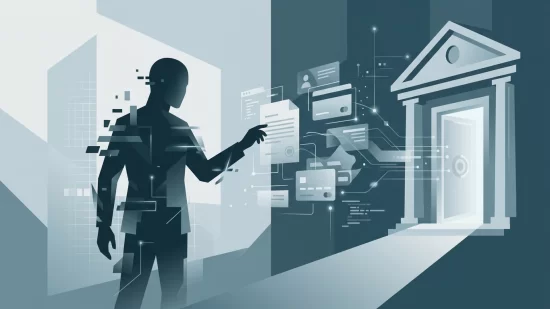
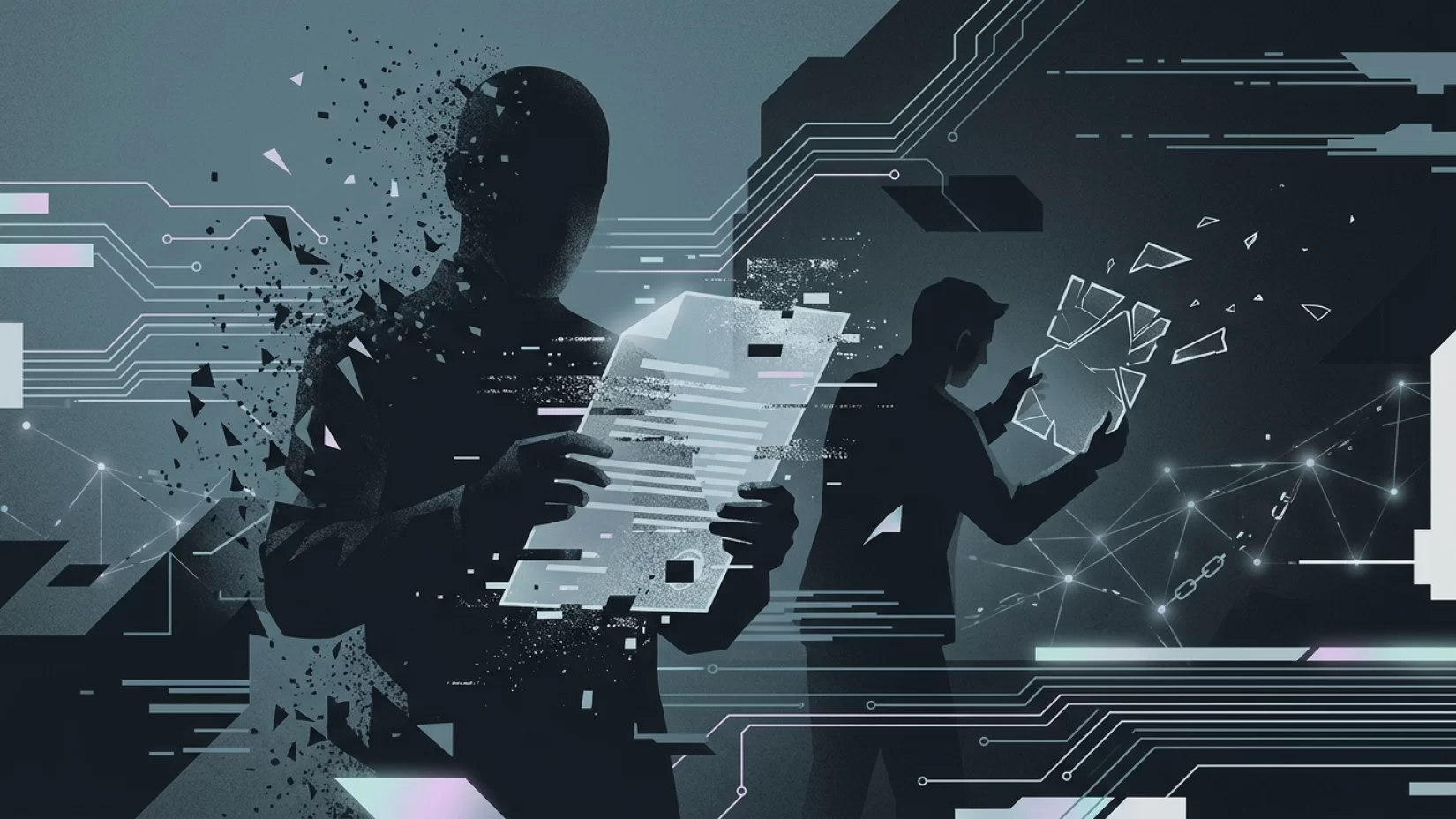
In the past, fake insurance documents were often easy to spot: spelling errors, odd formatting, or blurry logos. That’s changed. Ghost brokers now use artificial intelligence to generate professional-looking documents that are almost indistinguishable from the real thing. They can clone logos, mimic official language, and even create fake policy numbers that seem legitimate at a glance.
Imagine you receive a PDF of your new car insurance policy. It has your name, your vehicle details, and all the right branding. You might even get a welcome email that looks like it came from a real insurer. But when you try to make a claim — or worse, when you’re pulled over by police — you discover your policy never existed. That’s the nightmare scenario AI-powered ghost broking has made possible.
Why So Many People Fall for Ghost Broker Scams
It’s easy to think, “I’d never fall for something like that.” But these scams are designed to be convincing. Here’s why so many smart, careful people get caught out:
- Social Media Trust: Ghost brokers advertise in places you already spend time — Instagram, Facebook, WhatsApp, Telegram. They use friendly language and even fake testimonials to build trust quickly.
- Too-Good-To-Be-True Prices: Insurance is expensive, especially for young drivers. Ghost brokers offer prices that seem like a lifeline, sometimes hundreds less than official quotes.
- Professional Appearance: Their websites and documents look polished. They might even use AI chatbots to answer your questions, making the whole process feel legit.
- Pressure Tactics: You’re told the deal is “limited time only” or that you need to pay immediately to lock in the price. This rush leaves little time for second thoughts.
A 2024 survey by Aviva found that 30% of young drivers aged 17 to 25 had bought car insurance from unauthorized sellers on social media. That’s not carelessness — it’s a sign of just how convincing these scams have become, especially for people desperate to save money.
Real-World Consequences: What Happens If You’re Unknowingly Uninsured?
Let’s be clear: if you buy a fake policy from a ghost broker, you are not insured. No matter how real your documents look, if the insurer has no record of your policy, you’re on your own. The fallout can be severe:
- Fines and Legal Trouble: In many countries, driving without valid insurance is a criminal offense. You can be fined, get points on your license, or even have your car impounded.
- Financial Loss: Any money you paid for the fake policy is gone. Worse, if you’re in an accident or suffer a loss (like a house fire or cancelled trip), you’ll have to cover all costs yourself.
- Future Premium Hikes: Being caught without insurance can make it harder and more expensive to get real coverage later. Some insurers may refuse to cover you at all.
- Emotional Toll: Victims often feel embarrassed, angry, and stressed. Some are even prosecuted for fraud, simply because they didn’t realize their policy was fake.
One recent case involved a fraudster who sold £17,000 worth of fake insurance policies through Instagram. Dozens of drivers who thought they were protected ended up facing police action and massive bills — all because they trusted the wrong source.
Misconceptions That Put You at Risk
Ghost brokers rely on a few stubborn myths to keep their scams going. Here are some of the most dangerous misconceptions:
- "If it looks professional, it must be real." AI makes it easy to create flawless documents and websites. Don’t trust appearances alone.
- "Only young or inexperienced people get scammed." While young drivers are frequent targets, anyone can fall victim — especially if you’re looking for a bargain or need coverage fast.
- "Social media insurance offers are legit as long as they have lots of likes or followers." Scammers buy fake followers and reviews to boost their credibility. Popularity is not proof.
- "If I have a policy number and documents, I’m safe." Ghost brokers often invent policy numbers or recycle old ones. The only way to be sure is to check directly with the insurer.
Don’t let these myths lull you into a false sense of security. Verifying your policy is the only way to be certain you’re covered.
Why Millions Of Users Never Realize Their Data Was Exposed
One of the most insidious parts of ghost broking is how quietly it operates. Many victims have no idea they’ve bought a fake policy until something goes wrong. There’s no warning, no obvious sign — just a false sense of safety. In some cases, ghost brokers even send regular “updates” or renewal reminders to keep up the illusion. Meanwhile, your personal details (name, address, bank info) may be sold on to other criminals, exposing you to further scams or identity theft.
If you’ve ever bought insurance through an unfamiliar broker, or if you’re unsure about your current policy, it’s worth taking a few minutes to double-check. Even if you feel certain everything is fine, a quick verification could save you from a world of trouble down the line.
Red Flags: How to Spot a Ghost Broker Before It’s Too Late
- Unusually Low Prices: If a deal seems much cheaper than anything else you’ve seen, be suspicious. Genuine insurers rarely offer massive discounts out of the blue.
- Social Media and Messaging App Offers: Real insurance companies don’t typically sell policies through Instagram DMs or WhatsApp chats.
- Requests for Cash or Untraceable Payments: If you’re asked to pay by cash, bank transfer, or a payment app with no buyer protection, walk away.
- No Official Contact Details: A legitimate broker will have a physical address, a landline, and a professional email (not just a Gmail or Yahoo account).
- Pressure to Buy Quickly: Scammers want you to act fast, before you have time to think or check their credentials.
- Documents Arrive Only as PDFs or Images: While many insurers use digital documents, you should always be able to verify your policy directly with the insurance company.
Five Steps That Actually Reduce Your Risk
- Verify the Broker’s Credentials: Every country has a regulator that licenses insurance brokers. In the UK, it’s the Financial Conduct Authority (FCA). In the US, check your state’s insurance department. Make sure the broker is listed and authorized to sell insurance.
- Contact the Insurer Directly: Once you receive your policy documents, call the insurance company using the number on their official website — not the one given by the broker. Ask them to confirm your policy number and details.
- Avoid Cash and Untraceable Payments: Use credit cards or secure online payment methods that offer fraud protection. Never pay in cash or by bank transfer to an individual account.
- Be Skeptical of Social Media Deals: If you see an insurance offer on Instagram, Facebook, or WhatsApp, treat it with caution. Legitimate insurers rarely operate through these channels.
- Regularly Review Your Policy: Log in to your insurer’s official website or app to check your policy status. If you can’t find your policy, or if anything looks off, contact the company immediately.
What To Do If You Suspect You’ve Been Scammed
Realizing you might have bought fake insurance is stressful, but acting quickly can limit the damage. Here’s what to do:
- Stop Using the Fake Policy: Don’t rely on it for coverage. Arrange real insurance as soon as possible to avoid being uninsured.
- Report the Broker: Notify your local insurance regulator, the police, and (if relevant) the platform where you found the broker. This helps protect others from falling victim.
- Check Your Credit and Bank Accounts: If you shared financial details, watch for unauthorized charges or signs of identity theft.
- Keep Documentation: Save all emails, messages, and payment records. These may help authorities investigate and could be useful if you need to prove you were scammed.
- Don’t Be Embarrassed: Ghost brokers are experts at deception. Reporting your experience helps fight back against these scams.
Broader Implications: Why This Problem Isn’t Going Away Soon
Ghost broking is a symptom of a bigger issue: as more of our lives move online, scammers are finding new ways to exploit trust and technology. AI has made it easier than ever to create convincing fakes, and social media platforms are slow to crack down on fraudulent ads and accounts. Regulators and insurers are working to raise awareness, but there’s no single fix — consumer vigilance is still the best defense.
It’s frustrating to think that the burden falls on you to double-check what should be a simple purchase. But until companies and regulators catch up, a little skepticism and a quick verification can make all the difference. Don’t wait for a crisis to find out your coverage isn’t real. Take action now, and encourage friends and family to do the same.
Final Thoughts: Confidence, Not Fear
No one wants to live in constant suspicion, and you shouldn’t have to. The goal isn’t to scare you away from buying insurance online — it’s to empower you to make safe choices. Ghost brokers are a real and growing threat, but with the right knowledge and a few simple checks, you can protect yourself from being left uninsured when it matters most. If you take away one thing, let it be this: always verify before you trust. A few minutes today can save you from a world of regret tomorrow.